Organic Cotton
Organic cotton refers to cotton grown using methods that minimize the use of pesticides and chemical fertilizers, and managed and certified according to specified standards, or to materials made from such cotton.
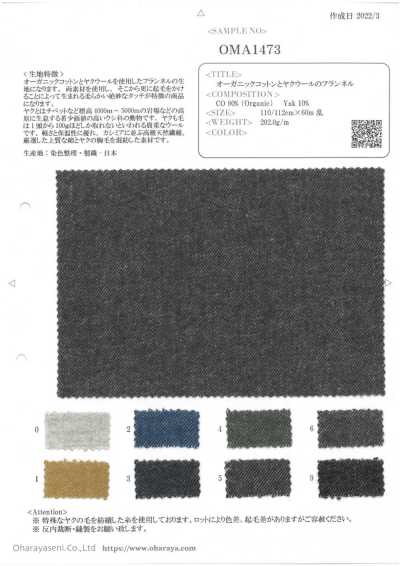
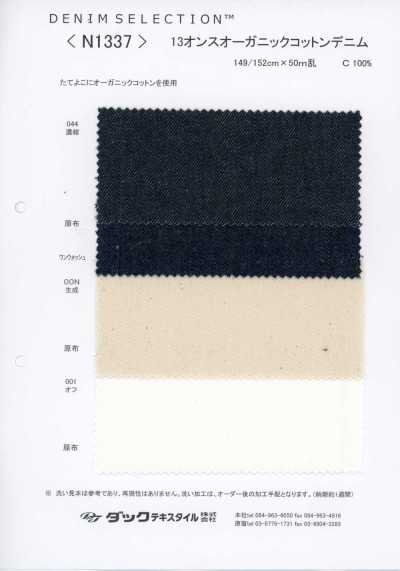
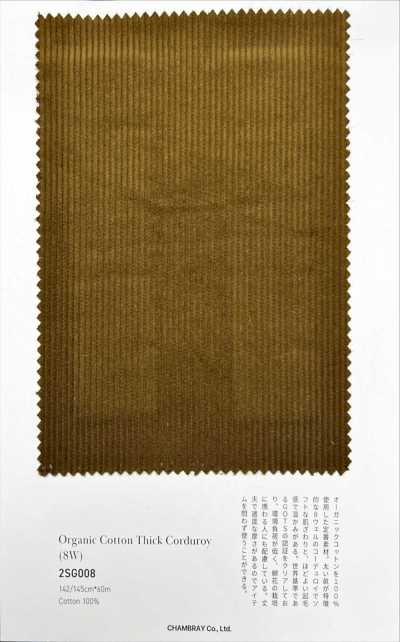
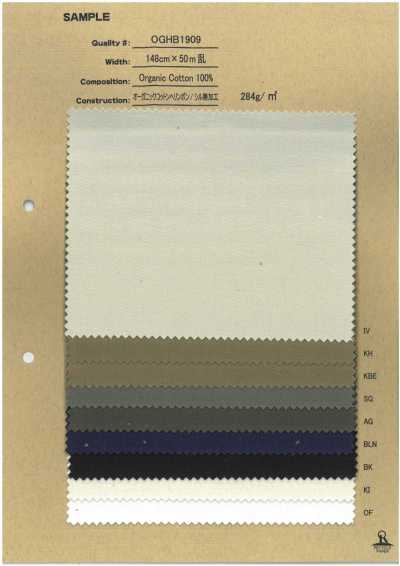
Contents6 sections
Definition and Overview
Organic cotton is cotton grown with the aim of reducing environmental impact during cultivation and taking care of the people involved in production. It is the same cotton fiber as ordinary cotton, and the properties of the textile vary greatly depending on the weave, knit structure, yarn thickness, and finishing.
The conditions for labeling something as “organic” and the scope of certification differ by system. In some cases only the cotton is covered, while in others processes such as spinning, dyeing, and sewing are also managed, so it is important to clarify the required scope of verification.
Features
Because the fiber itself is cotton, it has moisture absorption and is relatively gentle against the skin. However, qualities such as softness, fuzziness, firmness, and luster are not determined only by whether it was organically grown.
In undyed textile, fine foreign matter such as leaf fragments from the cotton may be seen. These may be treated as part of the natural look of the material, but the acceptable standard should be checked in advance according to the intended use and desired appearance.
- The feel is affected by yarn count, spinning method, structure, and finishing.
- Whether there is certification and which processes are covered affect material labeling and sourcing conditions.
- The details of bleaching, dyeing, and functional finishing differ by textile.
Main Applications
It is used for clothing that touches the skin, such as shirts, blouses, T-shirts, cut-and-sewn items, underwear, pajamas, and baby and kids' clothing. It is available in a wide range of woven and knit textiles, such as broadcloth, lawn, jersey, French terry, and flannel.
Lightweight textiles made with fine yarn are used for spring and summer clothing and innerwear, while denser, heavier textiles are used for pants, jackets, bags, and more. In textiles blended with fibers other than cotton, warmth retention, strength, and drape can be adjusted depending on the other material.
Selection and Handling Notes
Depending on the intended use, check the composition, whether it is woven or knit, fabric weight, thickness, stretch, and dyeing method. If certification labeling is related to sourcing conditions, confirm with the supplier the type of certification, whether certification documents are available, and the scope that can be indicated on the product.
Cotton materials tend to shrink when washed, and dark colors may fade or bleed. Before mass production, conduct wash tests and check shrinkage rates, and consider adjusting for grain straightening and cutting dimensions. For knits and loosely twisted textiles, attention is also needed to stretching during sewing and to seam waviness.
- For undyed and light-colored items, avoid humidity and direct sunlight to prevent soiling and discoloration during storage.
- Washing instructions should be set individually based on the textile blend ratio, dyeing, and finishing.
- Before sewing, also check color differences and differences in feel for each lot.
Differences from Similar Terms
Cotton is the name of the fiber type, while organic cotton is a term that mainly focuses on the cultivation and management method of the cotton. Therefore, organic cotton is also included in cotton in material classification.
Sustainable materials is a broad term that includes environmental and social considerations. Organic cotton is one example, but the expression sustainable alone does not specify the cultivation method or whether certification exists.
Frequently Asked Questions
Is organic cotton always softer than regular cotton?
Not necessarily. Softness, firmness, and surface smoothness are determined by fiber length, spinning method, yarn twist, structure, and post-finishing. It is important to confirm the feel suited to the intended use with fabric swatches and prototypes.
If it is organic cotton, are dyeing and finishing also entirely environmentally friendly?
Not always. The certification and management scope for organic cotton may cover only cotton cultivation, or may also include spinning and dyeing. The dyeing method, processing agents, and certified process scope should be confirmed for each textile using specifications and certificates.
What should be noted when sewing organic cotton textiles?
Basically, as with cotton textiles, choose needles, thread, and stitch types that suit the textile thickness and structure. Allow for shrinkage due to washing, and perform grain straightening and testing before cutting. For knits, it is also necessary to set conditions to prevent seam waviness caused by stretching.