Plating
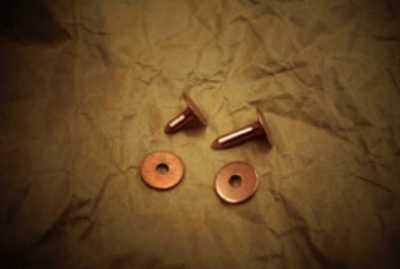
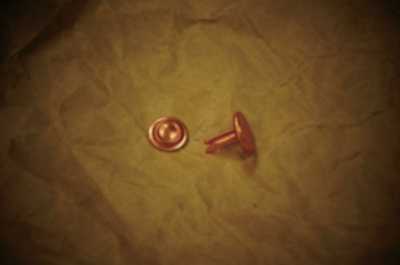
Plating is a surface treatment that coats the surface of metal press fasteners, eyelets, cap and close posts, and similar items with another metal to adjust color tone, gloss, corrosion resistance, wear resistance, and more.
Contents6 sections
Definition and Overview
Plating is a process that forms a thin metal film on the surface of metal parts. For press fasteners and eyelets, it is used not only to improve the appearance of the parts, but also to protect the base metal and suppress discoloration and corrosion during use.
Plating is not the name of the fastener itself. It is one type of finish applied to press fasteners, spring hooks, jumper hooks, cap snap buttons, eyelets, cap and close posts, and similar items, and is specified separately from the part shape and function.
Materials and Component Structure
Metal accessories are often made with plating applied to a base material such as brass, iron, or zinc alloy. However, even if they look the same color, strength, corrosion resistance, and aging characteristics are not necessarily the same if the base material, undercoating treatment, or type of surface film differs.
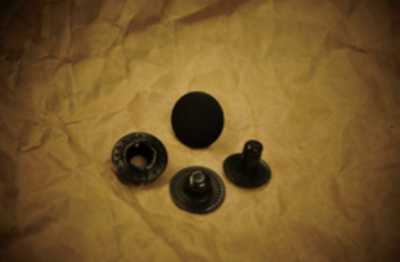
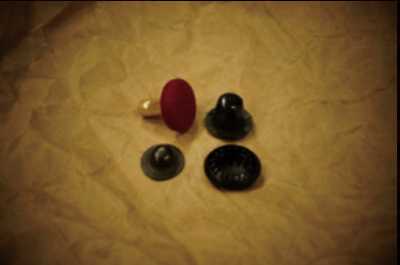
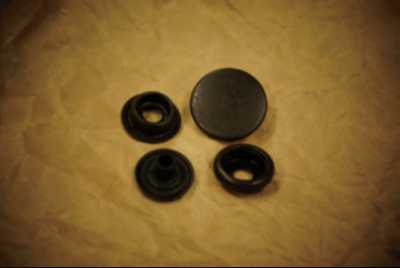
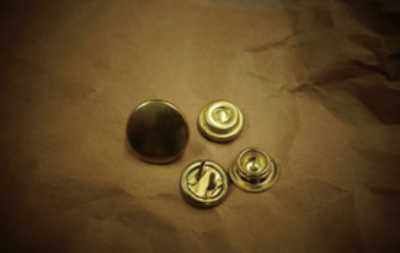
Press fasteners generally consist of multiple parts such as the visible top part, socket, spring or ring, and post. It is important to confirm whether the color and surface treatment of each part match, and whether the parts to be combined are as specified.
How to Indicate Size and Selection
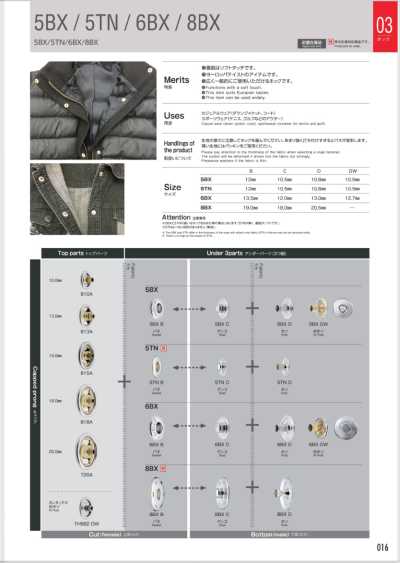
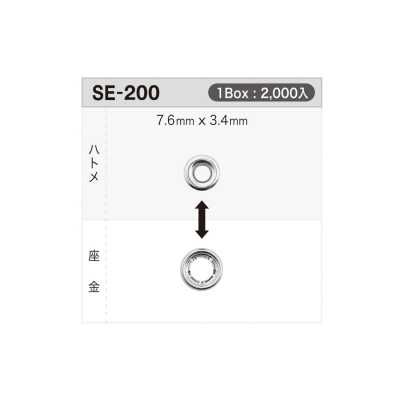
The color name or finish name of the plating does not indicate the size of the part. The size of press fasteners and eyelets is confirmed by the dimensions and combinations defined for each part, such as outer diameter, inner diameter, post length, and compatible textile thickness.
Even if the outer diameter looks the same, proper fastening is not possible if the post length or socket specification differs. When selecting a plating specification, first determine the type of fastener to be used, the compatible parts, and the thickness after installation, then choose the color and finish within the same specification.
- Total thickness of the installation area, including the textile and interfacing
- Type and specification of each part used on the front and back sides
- Dimensions such as outer diameter, inner diameter, and post length
- Nearby accessories that need to be matched to the same color tone
Attachment Method and Main Applications
Hammer-set press fasteners, eyelets, and cap and close posts are installed using a die that matches the target part and a hand press or press machine. If the shape of the die or the applied pressure does not match, it can cause surface damage, deformation, insufficient fastening, or detachment.
Metal accessories with plated finishes are used for outerwear, shirts, pants, denim, bags, uniforms, and more. Depending on the application, consider not only the decorative color tone, but also opening and closing frequency, tensile load, and exposure to washing, sweat, and rain.
Quality Considerations
If the textile is too thin, the post will not be stable and detachment or tearing of the textile is more likely. Conversely, if the installation area is too thick, the post length may be insufficient for proper fastening. Perform trial setting with the actual specification, including the textile, interfacing, and seam allowance.
Discoloration, cloudiness, and corrosion may occur in plating due to moisture, sweat, detergent, friction, storage conditions, and other factors. For products that undergo post-processing such as garment washing or stone washing, confirm in advance any appearance changes or reduced part performance caused by the processing conditions.
Surface treatment or undercoating that contains nickel may require consideration of effects from contact. For products that must be labeled nickel-free, confirm the scope and judgment criteria with the component supplier, and perform testing if necessary. Whether needle detector compatible is required is also decided at the planning stage.
Frequently Asked Questions
If the plating color is the same, can different parts of a press fastener be combined?
It is not recommended. Even if the color tones are close, the top part, spring, stud, and post each differ in dimensions and fastening structure. Using any combination other than the specified one may result in insufficient fastening, poor opening and closing, deformation, or detachment.
Do plated parts rust when washed?
Plating is used to suppress corrosion, but it does not completely prevent rust or discoloration. Changes occur depending on the base material, plating specification, detergent, sweat, seawater, insufficient drying, product processing, and other conditions. It is important to perform advance checks under conditions close to the actual washing and processing environment.
Do nickel-free and needle detector compatible mean the same thing?
No, they do not mean the same thing. Nickel-free is an expression that indicates a specification related to nickel, while needle detector compatible is a specification related to detection by a needle detector. Depending on the application and customer requirements, confirm the scope, verification method, and required documents separately for each.