Metallic Yarn
Lame yarn is a decorative yarn made using film or metal with a metallic sheen, used in weaving, knitting, embroidery, and other applications to create a glamorous sparkle.
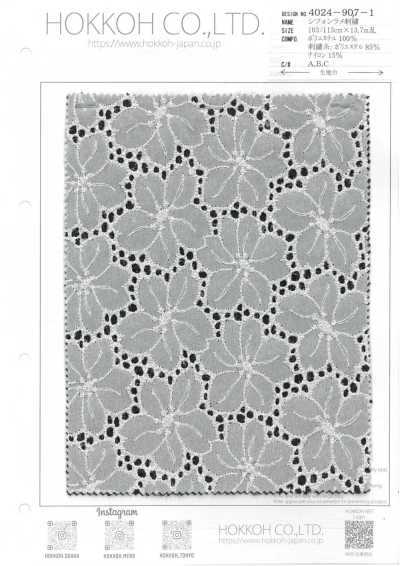
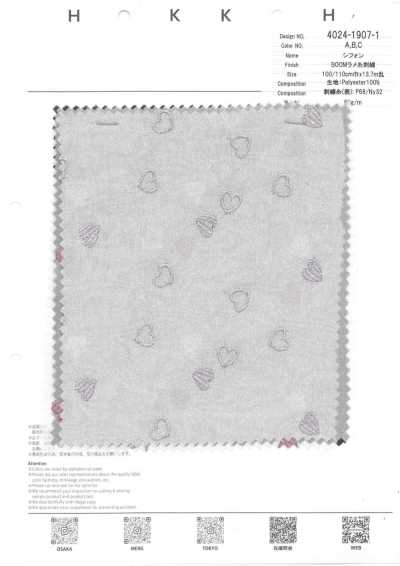
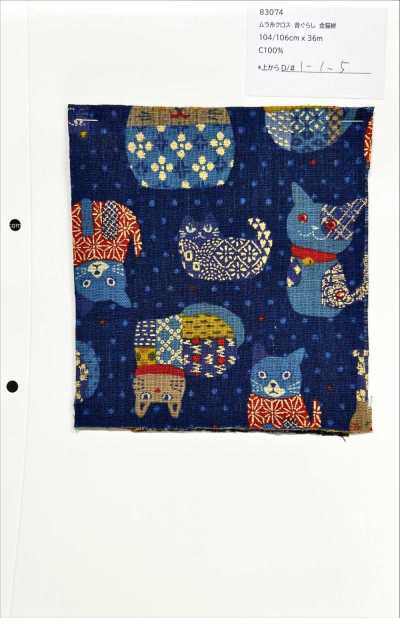
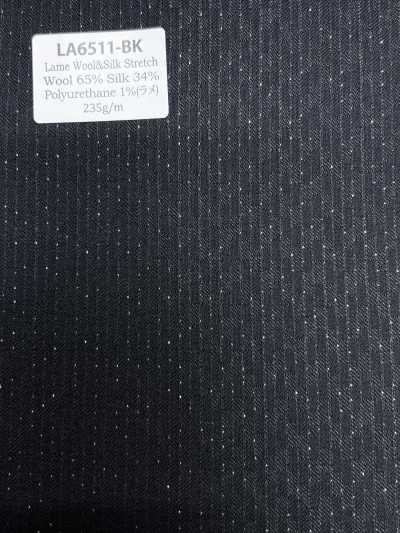
Contents6 sections
Definition and Overview
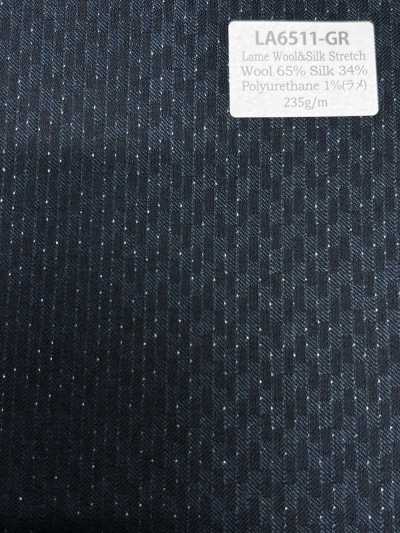
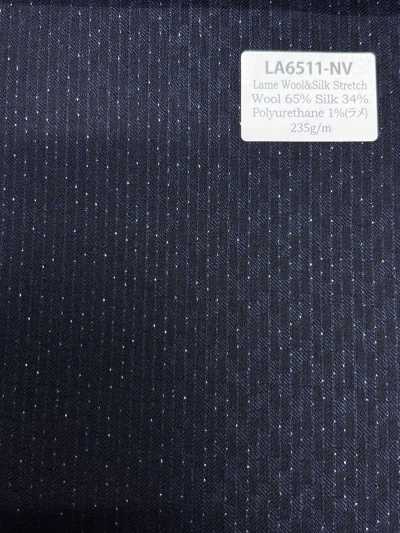
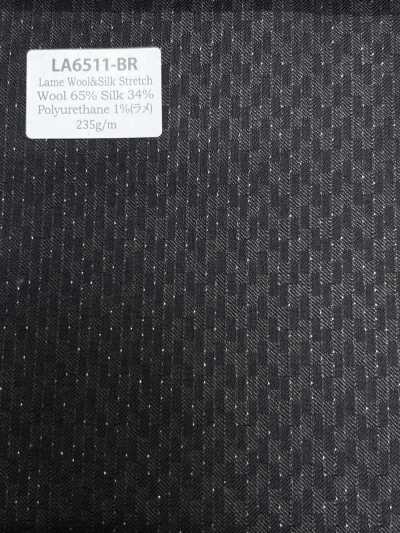
Lamé yarn is a decorative yarn made with metallic-looking material that reflects light. In general, it is made by finely cutting a metallized film and is used either on its own or by wrapping it around other fibers or twisting it together with them.
“Lamé” can refer not only to the yarn itself, but also to the appearance of fabrics and knitted fabrics that contain lamé yarn. Because it is not the name of a textile or weave structure, it is important to distinguish the material composition, how the yarn is used, and the structure of the base textile.
Features and Appearance
The sparkle changes depending on the angle of the light, adding glamour, sharpness, and a futuristic impression. The finer the yarn, the more delicate the sheen; with thicker yarns or denser use, it creates a strong metallic look.
The texture varies depending on the thickness of the lamé yarn, the fibers blended with it, and the woven or knitted structure. Yarns containing film may feel stiffer or less pliable than yarns made only from ordinary fibers, so any irritation against the skin should also be checked when used on the inside.
Main Applications
It is used in garment fabrics for dresses, blouses, skirts, knits, and jackets, and also in embroidery, ribbons, tapes, and lace decoration. In addition to using it across the whole fabric, it can also be used in borders, patterns, lines, or partial accents to add shine.
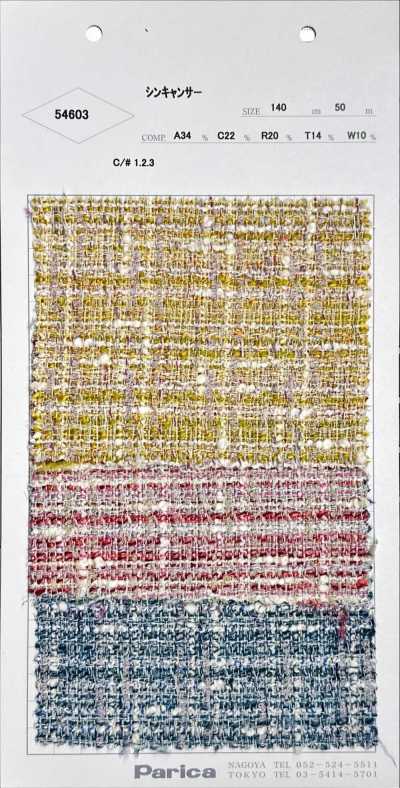
Because of its glamorous appearance, it is often seen in formalwear, stage costumes, and party items. On the other hand, materials with a small amount of fine lamé yarn blended in are also used as elegant accents in everyday wear, such as autumn and winter knits and tweed-like fabrics.
Selection and Handling Notes
When selecting it, in addition to the tone and intensity of the sheen, confirm where the lamé yarn is used: warp, weft, or knitting yarn, as well as the blend ratio, thickness, and stretch. In prototyping, check for yarn breakage, snagging, and the appearance around seams in areas that bend easily during wear.
Resistance to washing and ironing varies depending on the film, adhesive layer, and combined fibers. Since friction, strong rubbing during washing, and high heat can reduce the sheen or damage the film, always follow the washing instructions and test results for each textile.
During sewing, the lamé yarn may catch on the needle or presser foot, and the yarn may break at the seam. Check the needle type and size, thread tension, and stitch length on scraps, and use ordinary sewing thread if necessary.
- Handle carefully so as not to rub the cut edges or surface strongly.
- Use a pressing cloth when ironing, and confirm the temperature and whether steam can be used beforehand.
- If prewashing or product washing is performed, confirm shrinkage and changes in sheen with a preliminary test.
Differences from Similar Terms
Foil printing is a process that transfers or bonds metallic foil to the surface of fabric to create a sheen. In contrast, lamé yarn differs in that the yarn itself used for weaving, knitting, or embroidery has a sheen.
Kinran refers to woven fabric in which patterns are woven with gold thread and similar materials. Lamé yarn may be used in kinran, but it does not mean a specific fabric or pattern; it is used as a general term for yarn with a sheen.
Frequently Asked Questions
Can fabric with lamé yarn be washed at home?
Whether home washing is possible depends on the structure of the lamé yarn, the blended fibers, and the dyeing or finishing process. Friction during washing may reduce the sheen, cause snagging, or damage the film. Check the care label for each fabric or product, and conduct a washing test before mass production.
What should be noted when sewing fabric with lamé yarn?
Lamé yarn may be relatively stiff or slippery, which can cause damage around the needle holes, yarn breakage, or skipped stitches. Adjust the needle, upper and lower thread, thread tension, and stitch length with a test seam. To prevent surface snagging, handle carefully from cutting through sewing.