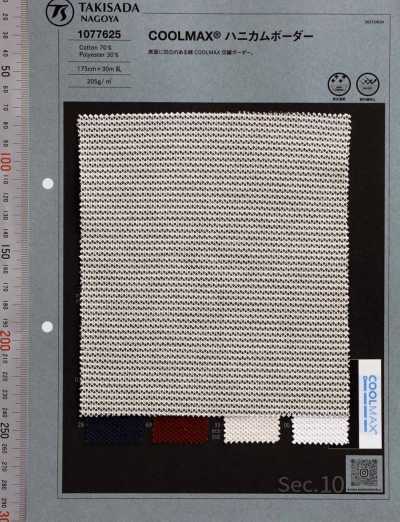
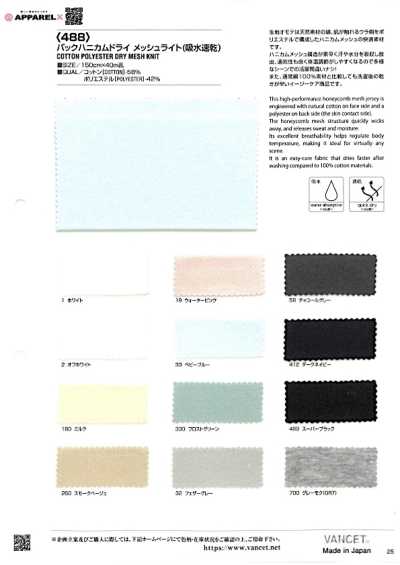
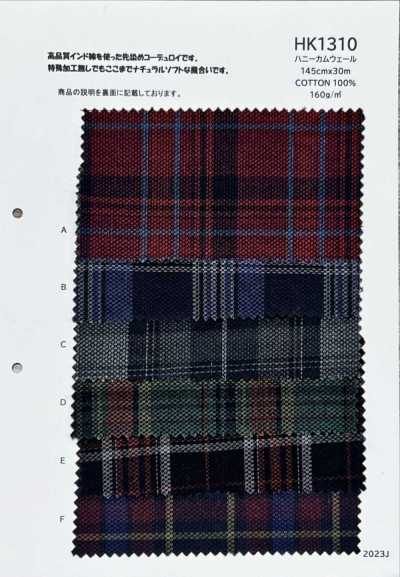
Honeycomb
Honeycomb refers to the appearance of fabric with regular, hive-like raised and recessed areas or compartments on the surface, or to the general term for methods of creating that appearance through weaving, knitting, or finishing.
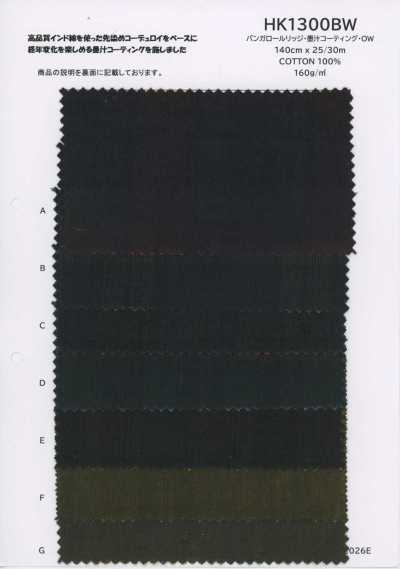
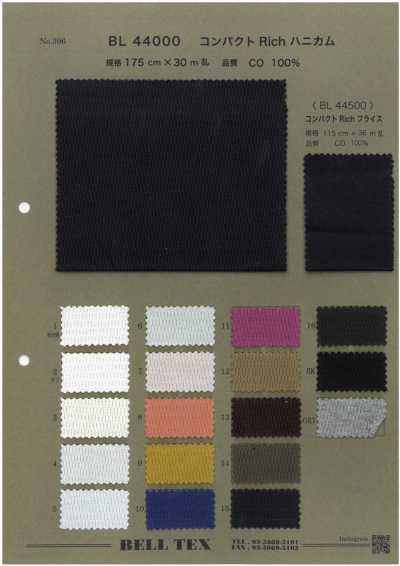
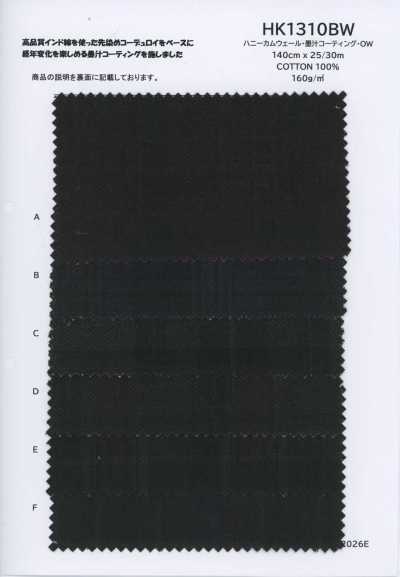
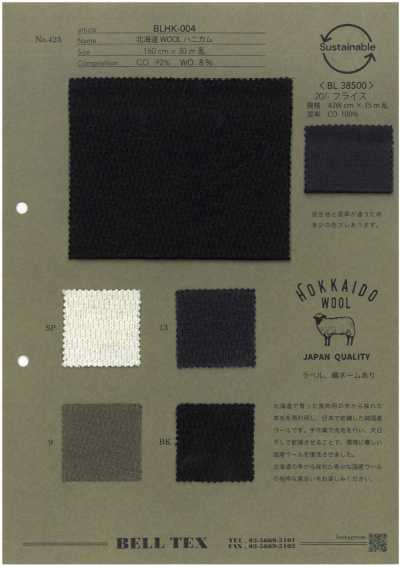
Contents6 sections
Definition and Overview
Honeycomb is a name used because its hexagonal or similarly continuous raised and recessed texture resembles a honeycomb. It is not a material name or a single weave structure name, but may refer to an appearance created by weaving, knitting, embossing, or similar methods.
Honeycomb finishing may refer to a process that gives a flat fabric a textured, three-dimensional surface. However, in trade it may also be used to refer to fabric woven in a honeycomb pattern, so it is important to confirm in the specification whether it refers to the structure or the finishing process.
Features
The surface with recessed and raised areas creates shadowing even on a solid fabric, giving it a three-dimensional, expressive look. When the uneven structure is designed to reduce contact with the skin, it can provide a more skin-friendly feel.
Hand feel, breathability, absorbency, and warmth vary greatly depending on the size and density of the texture, as well as the material, structure, and finish. Being honeycomb-shaped alone does not necessarily provide any specific function.
- Fine texture tends to create a delicate, refined look.
- Larger texture tends to create a more casual, strongly three-dimensional look.
- With glossy yarns or dark colors, the shadows created by the texture become more noticeable.
Main Applications
It is used for shirts, blouses, cut-and-sew items, dresses, skirts, and lightweight garments, making use of its surface texture. Depending on the material and thickness, it is also used for towels, loungewear, and bedding and interior applications.
Applications range widely from thin fabrics intended to reduce skin contact to thicker fabrics intended for warmth and cushioning, and the suitable season is determined by the material composition and fabric weight. Cotton may be used for a natural look, while synthetic fibers may be used for lightness and shape retention.
Selection and Handling Notes
When selecting fabric, check not only the appearance but also the depth of the texture, thickness, sheerness, stretch, and recovery in the actual material. For texture created by finishing, it is also necessary to confirm how well the appearance is retained after washing.
Fabrics that use textured structures or differential shrinkage may change in dimensions or surface appearance after washing or steaming. Before mass production, carry out wetting and washing tests, and consider pattern adjustments and care labeling that reflect the shrinkage rate.
During cutting, the fabric may be less stable because of the texture, so align the grainline before cutting. During sewing, the texture may be crushed or the seams may shift depending on the presser foot pressure and feed amount, so adjust the needle, thread, presser foot, and sewing conditions through test stitching.
Differences from Similar Terms
Honeycomb weave is the name for a fabric whose honeycomb-like raised and recessed texture is created by the weave structure. Honeycomb finishing, on the other hand, is also used to mean adding a similar surface texture through post-finishing, so the manufacturing method must be confirmed.
Waffle also refers to fabric with a grid-like texture, but it generally describes a look with continuously connected squares. Pique is used as a general term for fabric with ribs or raised patterns, and is not necessarily honeycomb-shaped.
Frequently Asked Questions
Are honeycomb and waffle the same?
Both refer to a textured surface, but they are not synonymous. Honeycomb refers to compartment-like texture reminiscent of a honeycomb, while waffle is generally used for a look with a grid of squares. Since actual usage varies by fabric product, it should be confirmed with the weave structure diagram or the actual sample.
Does honeycomb-finished fabric shrink when washed?
How much it shrinks depends on the material, structure, and finishing conditions. Fabrics that express texture through differential shrinkage may change in dimensions or in how the texture appears after washing. Before productization, it is important to test using the intended washing method, confirm the shrinkage rate, and then determine the cutting allowance and pattern.
What should be considered when sewing honeycomb fabric?
Because of the texture, fabric feed may become uneven, which can cause seam shifting or puckering. Choose a needle and thread suited to the fabric, adjust the presser foot pressure, and perform test stitching. Pressing the seam allowance down too hard with an iron may damage the textured surface, so a pressing cloth or hovering the iron should also be considered.