Pique
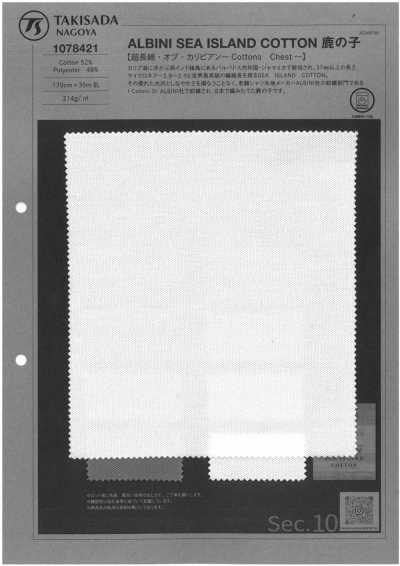
Pique is a woven fabric with a three-dimensional feel and moderate thickness, featuring a pattern of ridges and texture created by differences in the floating and sinking of warp or weft threads and in their thickness.
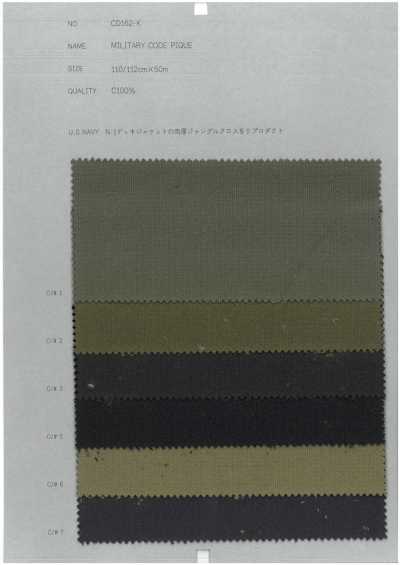
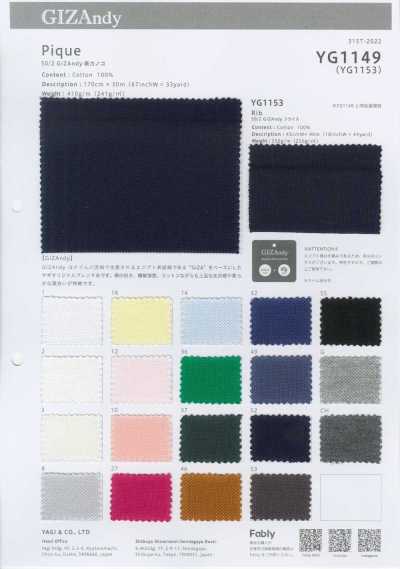
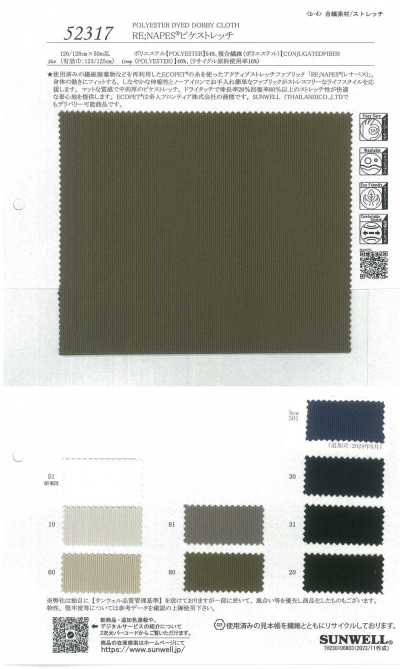
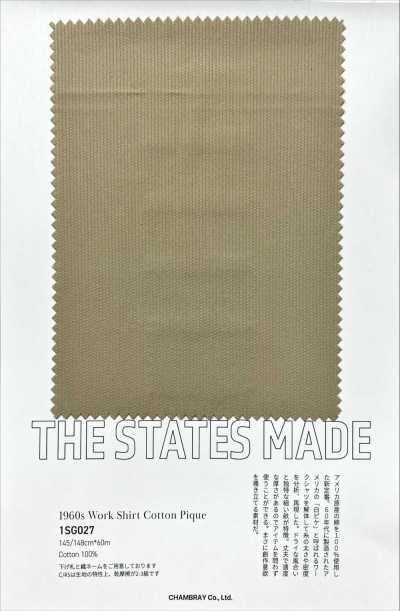
Contents6 sections
Definition and Overview
Pique is a woven fabric that creates fine ridges, checks, diamond patterns, and other textured effects on the surface through changes in weave structure. The name does not refer to a specific fiber; it refers to a weaving method that gives the fabric a raised ground pattern on the surface, and to the fabric itself.
Cotton versions are commonly seen, but polyester, wool, and other materials may also be used. Depending on thread thickness, density, ridge width, and weave structure, the fabric ranges from lightweight types suitable for shirts to firmer types suitable for pants and jackets.
Features
Its ridges and texture create shading, so it tends to have more character even when solid. Some structures reduce the area in contact with the skin compared with flat fabrics, and depending on the material and finish, it can feel smooth to the touch.
Depending on the weave structure, it has moderate thickness and firmness that make it easy to tailor well, but the fine texture may show differences in how it flattens at seams and under pressing. Hand feel, stretch, and breathability vary greatly depending on the fibers used and any post-processing.
Main Applications
Pique is used for shirts, blouses, polo shirts, pants, skirts, dresses, jackets, and more. Fine-rib, lightweight types are used for spring and summer clothing, while denser, heavier types may be used for year-round bottoms and uniforms.
White pique may also be used for formal-leaning shirting and partial use in garments, taking advantage of its clean look with texture. When deciding on applications, check not only the weave structure but also fabric weight, thickness, sheerness, and blend ratio.
- Shirts and blouses
- Pants, skirts, and dresses
- Jackets and uniforms
- Cut-and-sew items such as polo shirts
How to Choose and Handling Notes
To choose a pique that suits the product, check the direction and size of the ridges, thickness, stiffness, and the required stretch. For fabrics with clear ridges, aligning the pattern direction on the body and left-right parts during cutting makes the finished appearance look neater.
Items containing natural fibers may shrink in washing, and dark colors also require care regarding rubbing and color fading from laundering. Before mass production, test shrinkage after washing, ridge deformation, seam shrinkage, and fading caused by pressing, then set washing instructions and sewing conditions suitable for the material.
The textured surface may become flattened or develop shine under strong ironing pressure or high temperatures. Check the proper temperature and pressure in advance on a fabric sample, for example by pressing lightly from the reverse side with a pressing cloth.
Differences from Similar Terms
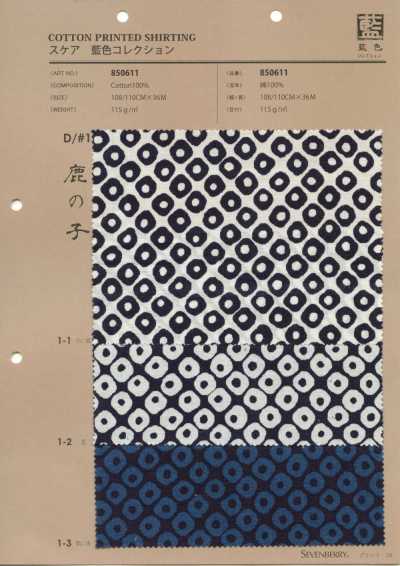
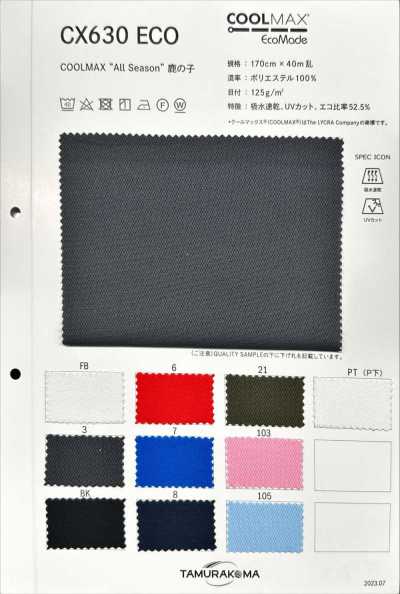
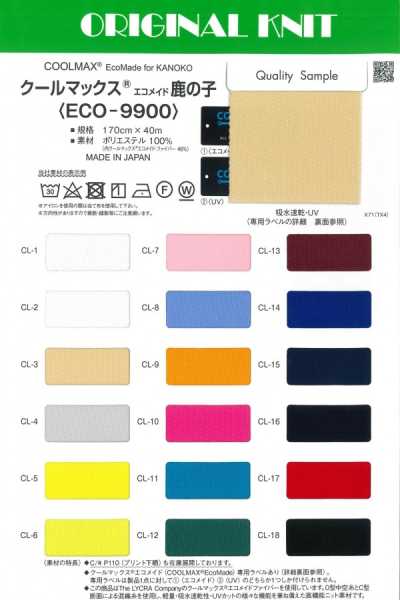
Kanoko is a typical knit with small surface texture and is widely used for polo shirts. Pique, on the other hand, is a term that often refers to woven fabric, but in the market the knit kanoko is sometimes also called pique, so it is important to confirm in the specification whether the structure is woven or knit.
Corduroy is also a ribbed fabric, but it differs from pique in that it cuts the pile on the surface to create fuzzy ribs. The ribs of pique are mainly expressed through the weave structure and generally do not have the fuzzy surface seen in corduroy.
Frequently Asked Questions
Are pique and kanoko the same?
They are sometimes treated as having the same meaning, but strictly speaking they are different. Kanoko generally refers to a knit structure with small texture, while pique is often used to refer to a woven fabric with ridges and texture created by the weave structure. When ordering, check the weave structure, blend ratio, and thickness.
Is pique suitable for summer?
Types with good breathability due to the textured surface are suitable for spring and summer clothing, but pique is not always cool. Wearing comfort changes depending on thread thickness, density, material, and thickness. For summer use, also check thinness, breathability, sheerness, and the shape after washing.
What should you be careful about when sewing pique?
Cut the fabric so the direction of the ribs and ground pattern are aligned, and check in advance any areas where pattern mismatch would stand out. Because the textured surface can flatten under strong pressing, test pressing with a pressing cloth is effective. Also check wash shrinkage and seam shrinkage before mass production.