Windowpane
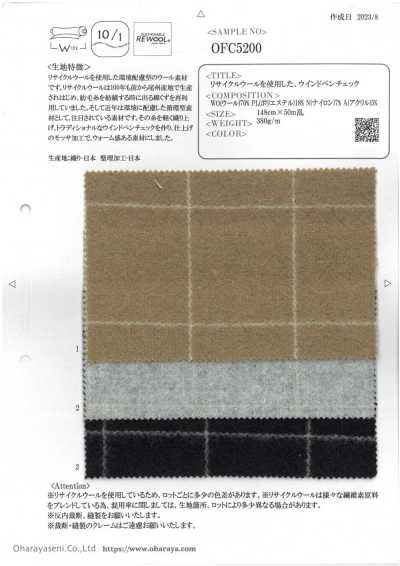
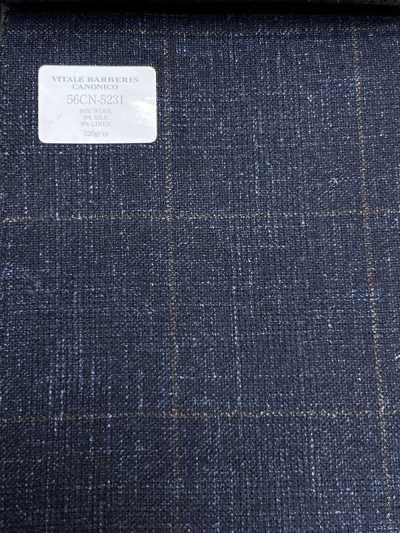
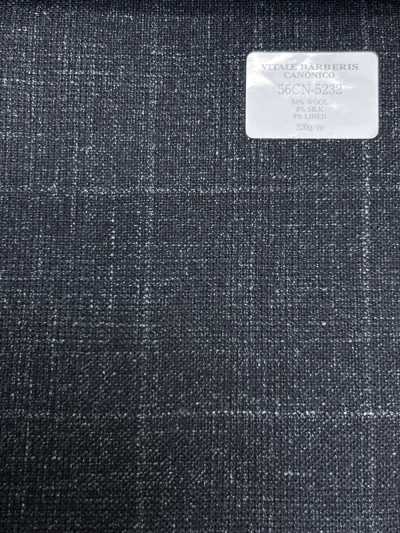
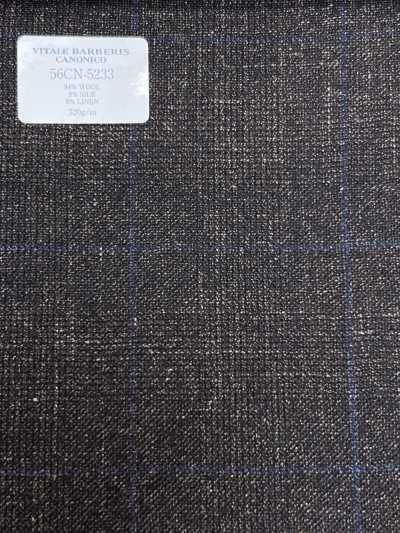
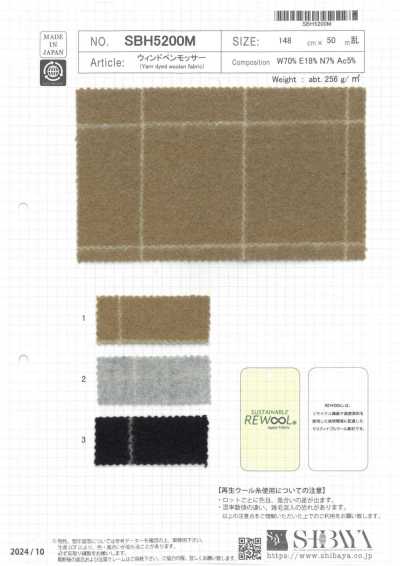
Windowpane is a relatively clean-looking check pattern that depicts a large grid with evenly spaced thin vertical and horizontal lines, like a window frame.
Contents6 sections
Definition and Overview
Windowpane is a pattern that creates a large square or rectangular grid by placing thin lines at equal intervals vertically and horizontally over the ground color. The name comes from the way the grid resembles a window frame. Thin lines with wide spacing are typical.
It is not the name of a weave structure or a material, but the name of a pattern. It can be expressed through yarn dyed yarns, prints, or woven patterns, regardless of weave structure such as plain weave or twill.
How the Pattern Is Formed and What It Is Called
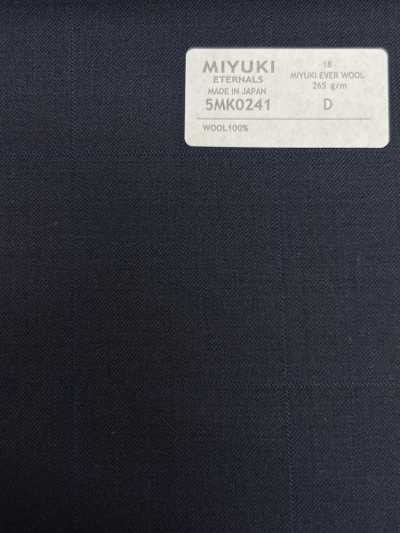
The basic form is a grid made of thin lines in one color or a few colors, but the appearance changes depending on line thickness, color scheme, and grid size. When the color contrast with the ground color is small, the pattern looks subtle; when the contrast is strong, the pattern looks distinct.
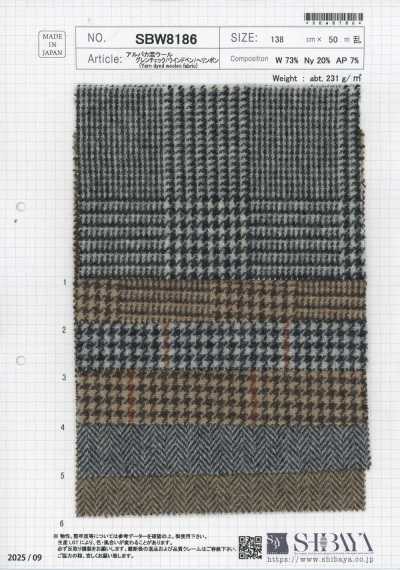
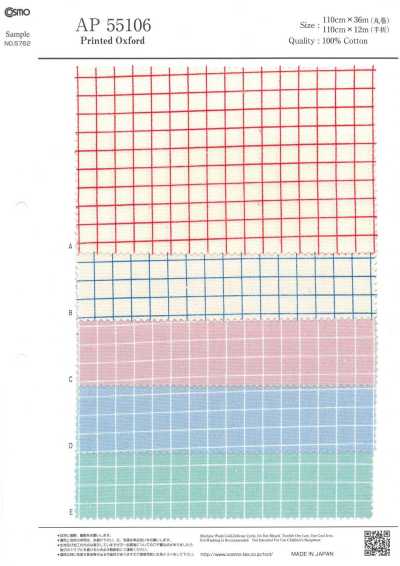
It is included in the general category of check patterns, but it is distinguished from tartan checks, which feature multiple colored lines and complex intersecting stripes. It also generally differs in pattern construction from gingham, which repeats fine grids, and glen check, which combines multiple different grids.
- Large pattern: a type with wide grid spacing that tends to create a strong visual presence.
- Small pattern: a type with narrow grid spacing that tends to create a relatively calm impression.
- Overcheck: sometimes refers to a design in which windowpane-like lines are layered over another check or woven pattern.
Main Uses and Seasons
Used for jackets, suits, pants, skirts, dresses, shirts, and more. In particular, in worsted-style or tweed-style textiles, it is often used as a pattern for tailored items, and the size of the grid can adjust the impression from classic to casual.
The pattern itself is not seasonal. In light cotton, linen, and polyester textiles, it is used for spring and summer shirts and dresses; in wool or brushed textiles, it is used for autumn and winter jackets, coats, and bottoms.
Notes on Fabric Selection and Cutting
When selecting fabric, check the dimensions of one side of the grid, the line color, and the contrast with the ground color. Large grids become a design focal point, but depending on the width of each piece and the product size, the line positions may stand out and left-right differences may be easier to see.
During cutting, confirm that the grid lines are parallel to the grain, and decide the pattern placement for the front body, collar, pockets, sleeves, and other parts in advance. In specifications that align the grid at the left and right body pieces, front edges, or side seams, extra yardage may be needed to account for one pattern repeat.
When used on the bias, the grid appears diagonal, and the continuity of the lines changes at the seam. For small parts such as facings, flaps, and patch pockets, the finished impression changes depending on which grid position is shown, so marking before cutting is important.
- Determine the reference line for the pattern and confirm whether grid lines will be placed at the center front or center back.
- For symmetrical pieces, decide as a specification whether to cut at the same grid position.
- Check the pattern including seam allowance so the lines do not shift after sewing.
- Check pattern position and distortion within the roll, and straighten the grain if necessary.
Differences from Similar Terms
Check pattern is the general term for all grid patterns, and windowpane is one type of check. Tattersall generally refers to a grid made with thin lines in about two colors, and its line color usage may be more distinctive than windowpane.
Glen check is a composite pattern made by combining fine grids, and from a distance it appears as a complex check. In contrast, windowpane is recognized as a relatively simple, large, window frame-like grid.
Frequently Asked Questions
What is the difference between windowpane and glen check?
Windowpane is a relatively simple check that creates a large window frame-like grid with thin vertical and horizontal lines. Glen check is a composite pattern combining fine grids and stripes, so its structure and appearance are different.
Does windowpane fabric require pattern matching?
If you want the grid lines to continue across the left and right front bodies, center front, side seams, collar, or pockets, pattern matching is necessary. Not every section must be matched, but the specification should be decided first, and the yardage should be set with the pattern repeat in mind.
Which season is windowpane suitable for?