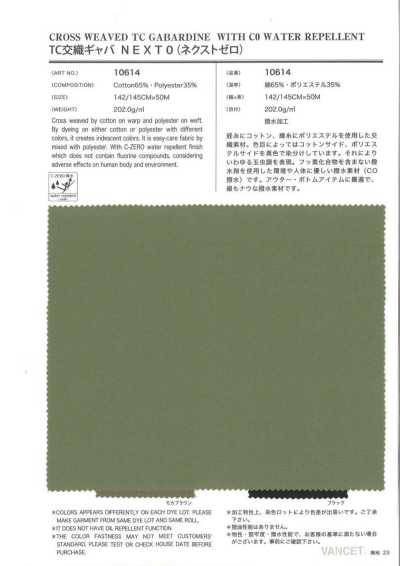
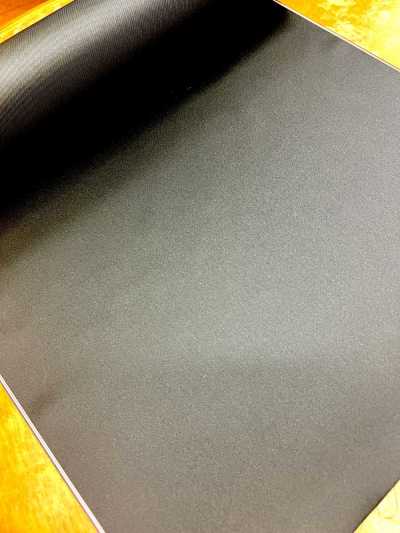
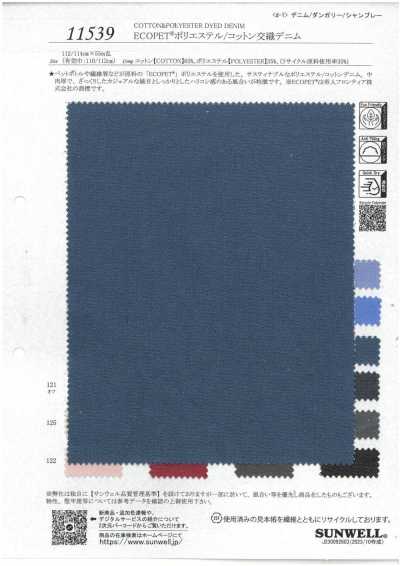
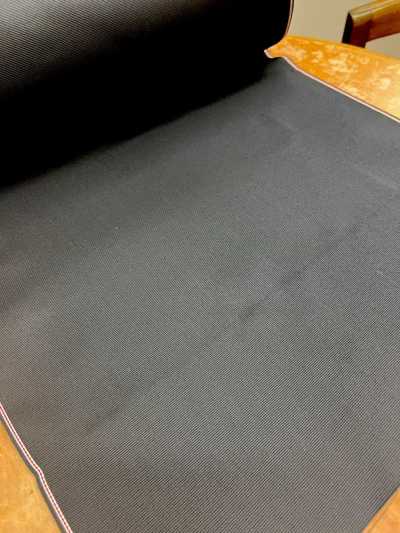
Union Fabric
Union fabric is a weaving method in which different kinds of fibers or threads are mainly used separately in the warp and weft to combine the texture, function, and appearance of each material.
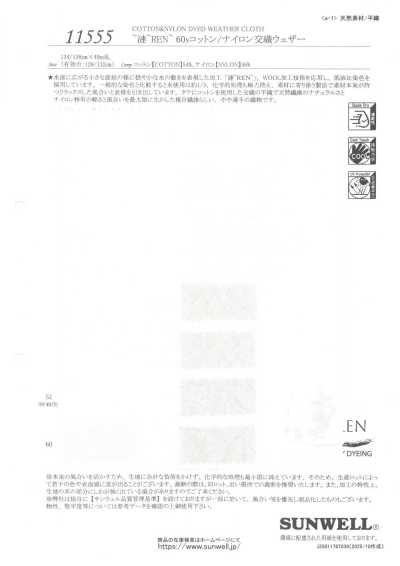
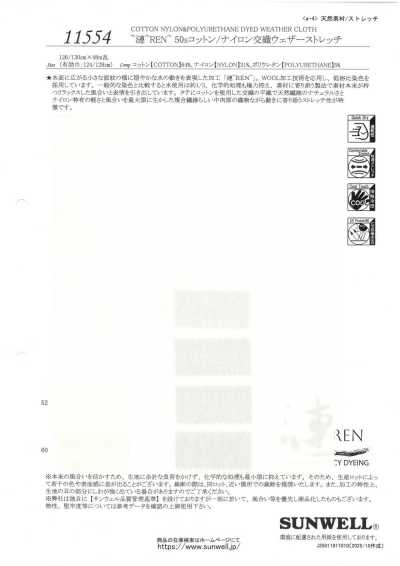
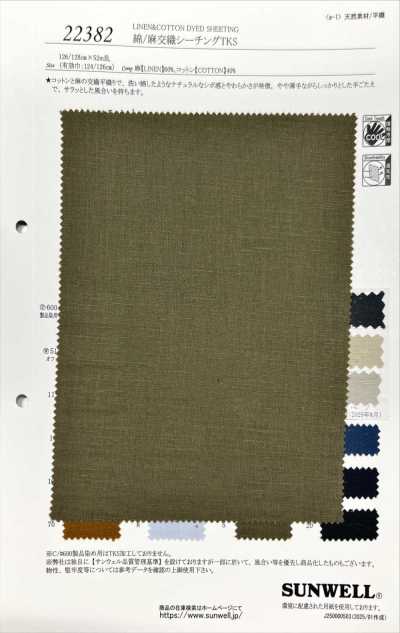
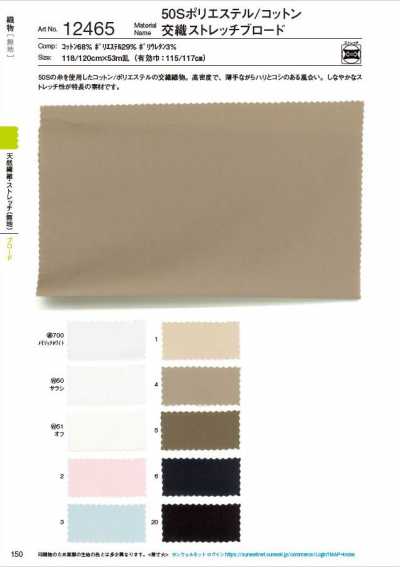
Contents6 sections
Definition and Overview
Union fabric refers to a method of weaving fabric using yarns of different materials for the warp and weft, or to fabric woven in this way. For example, by using natural fiber for one of the warp and weft and synthetic fiber for the other, the properties of each material are incorporated into the textile.
Union fabric is not the name of a specific weave structure. It is a term for the combination of yarns used, separate from which weave structure is used, such as plain weave, twill weave, or satin weave. It is important to check not only the material composition but also how the yarn is used in the warp and weft respectively.
Characteristics of Texture and Function
Union fabrics can be adjusted in terms of hand feel, luster, firmness, drape, and moisture absorption depending on the fibers combined. Differences in how each material takes dye, the yarn thickness, and the twist can also create a layered appearance such as a heathered look, iridescent look, or chambray look.
On the other hand, function and appearance are not determined by being a union fabric alone. They vary greatly depending on the fiber types and blend ratio, yarn count, density, weave structure, and finishing process. If moisture absorption or durability is required, judgment should be based on test results and fabric specifications.
Main Uses and Suitable Items
Union fabrics are used for shirts, blouses, jackets, pants, skirts, dresses, coats, and linings. They are widely used across a range of materials and designs, from spring and summer items that take advantage of lightness and a cool feel to autumn and winter items that make use of warmth and surface texture.
For outer fabric, differences in color tone and surface texture from different materials can be used as design elements. For lining, the material combination is selected with factors related to comfort in wear in mind, such as slipperiness, resistance to static electricity, and moisture absorption.
Selection and Handling Notes
When selecting, check not only the blend ratio but also which material is used for the warp and weft, the stretch and shrinkage in each grain direction, and changes in appearance after washing. Different fibers respond differently to moisture absorption and heat, so washing, drying, and ironing may cause differences in dimensions, wrinkling, or surface changes.
In sewing, the amount of slipping and stretching may differ between the warp and weft, so before cutting, straighten the grain and align the sewing direction. To prevent seam shifting, puckering, and seam waviness, match the needle, thread, presser foot pressure, and feeding conditions to the fabric, and perform sewing tests and washing tests before mass production.
Differences from Similar Terms
Blending is a method of mixing different fibers and spinning them into a single yarn. By contrast, union fabric is fundamentally different in that yarns made from different materials are arranged for the warp and weft of the woven fabric. On fabric labels, both may be shown as the blend ratio of multiple materials.
Union knitting is the idea of using different kinds of yarn in knitted fabric, and it is distinguished from union fabric, which is a woven fabric. Also, chambray is a fabric name that describes the appearance created by the color difference between the warp and weft, and while it can be an example of union fabric, it is not synonymous.
Frequently Asked Questions
How is union fabric different from blending?
Blending is the method of mixing multiple fibers and spinning them into one yarn. Union fabric is the method of weaving yarns made from separate materials, mainly assigning them to the warp and weft. Even with the same blend ratio, the arrangement of the fibers differs, so the surface texture, dyeing appearance, shrinkage, and behavior during sewing may change.
Does union fabric shrink in home laundering?
Whether it shrinks, and by how much, depends on the fibers combined, weave density, finishing process, and washing and drying conditions. In particular, if the shrinkage rates differ between materials, waviness in the fabric or changes in wrinkling may occur. Before mass production, carry out a washing test under the actual care instructions and confirm the shrinkage rate.
What should be noted when sewing union fabric?
In fabrics where slipping, stretch, and thickness differ between the warp and weft, seam shifting and puckering may occur. Align the grain before cutting, and adjust the needle size, sewing thread, presser foot pressure, and feed amount through trial stitching. Even when interlining is used, it is necessary to check the hand feel after bonding and the changes after washing.