Tussar
Tussar is a woven fabric with a dry hand and firmness, made by inserting yarn thicker than the warp yarn or bulky processed yarn into the weft to create fine horizontal ribs. Nylon tussar is typical, and the name comes from tussar silk made from wild silkworm silk.
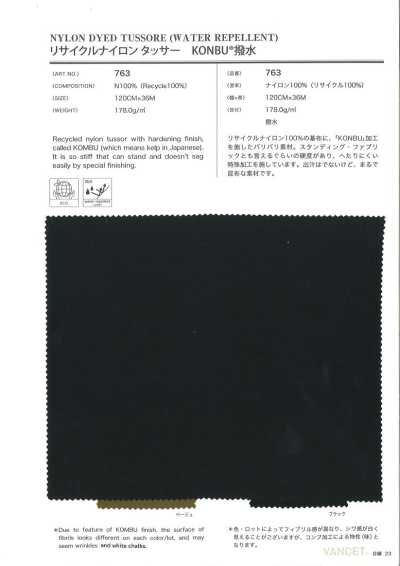
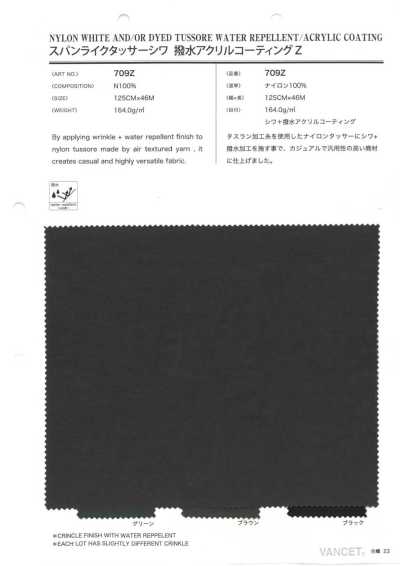
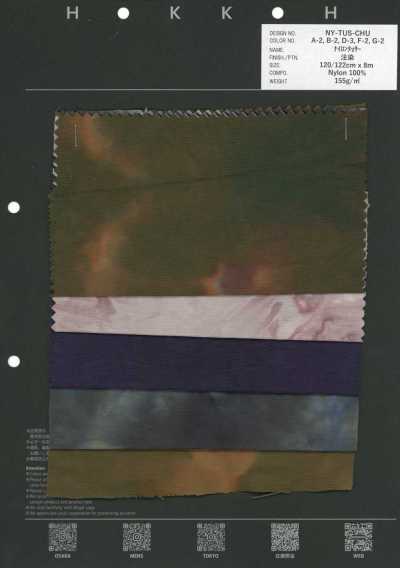
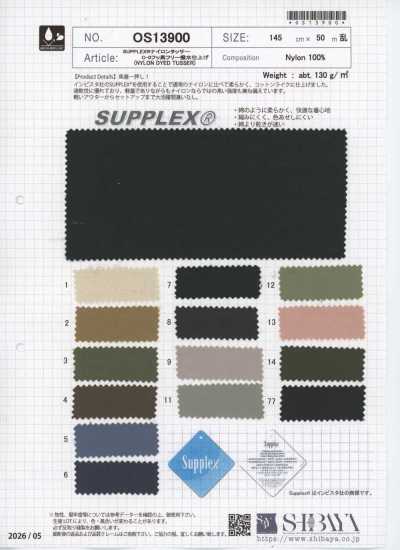
Contents6 sections
Definition and Overview
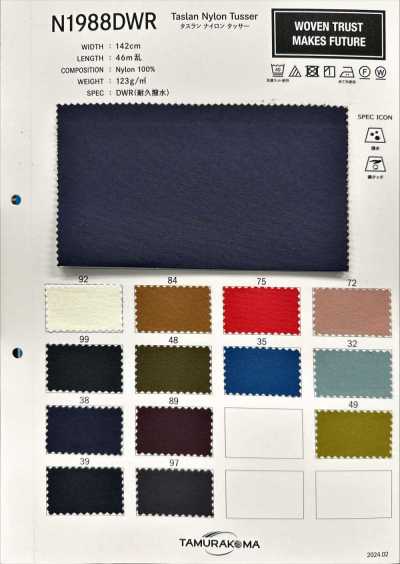
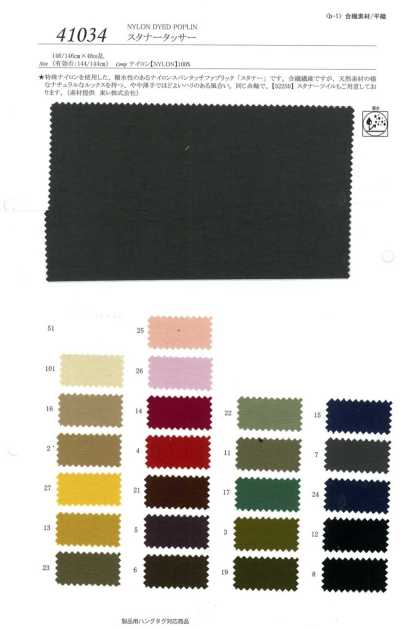
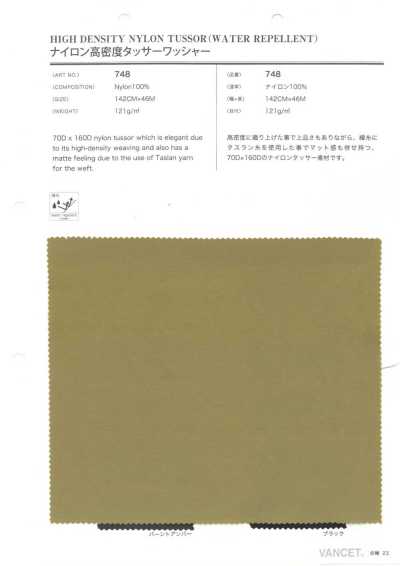
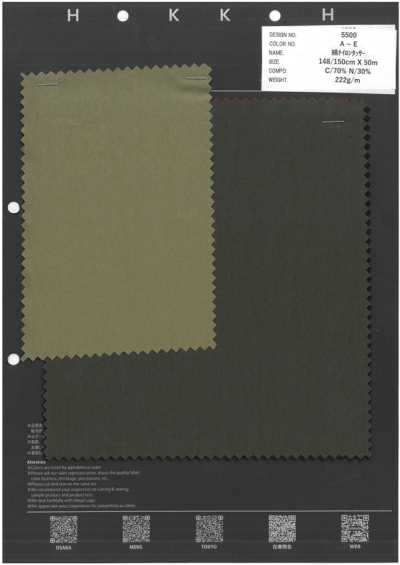
Tussar is a woven fabric in which yarn thicker than the warp yarn or bulky processed yarn is inserted into the weft to create fine horizontal ribs. Because it creates a moderate surface texture, it has a dry, natural feel and a suitable firmness. In apparel materials trade, nylon tussar made with nylon is typical, and there are also polyester versions, union fabrics with cotton, and versions made with recycled nylon.
The name comes from the rustic, slubbed look of tussar silk woven from wild silkworm silk. Many fabrics now called “tussar” are woven fabrics made of synthetic fibers and do not necessarily contain silk. In wool formal fabrics as well, there are cases where a ribbed structure is called tussar weave.
Texture and Function
The fine texture created by the horizontal ribs reduces gloss, resulting in a matte appearance and a smooth, dry hand. Versions made with processed yarn such as taslan in the weft give a cotton-like fullness and natural look. Depending on the thickness (denier) and density of the warp and weft, the fabric ranges from thin and light to medium-weight and substantial.
Nylon tussar is often light and resistant to tearing and abrasion, so it is frequently used as a base for functional materials with water-repellent finish, coating, or waterproof and breathable laminate. There are also versions with a wrinkled texture created by washer finish or salt shrink finish, and versions with ciré finish on one side. These functions come from the processing, not from the tussar weave itself.
Main Applications
It is widely used for outerwear such as blousons, mountain parkas, and coach jackets, as well as for the outer fabric of outdoor wear and workwear. Taking advantage of its firmness and dry texture, it is also used for pants, shirts, hats, and bags.
- Outerwear / blousons
- Outdoor wear / rainwear
- Workwear / uniforms
- Pants / shirts
- Bags / hats
How to Choose and Handling Notes
When choosing, check the required specifications in the spec sheet, including material and blend ratio, warp and weft thickness, density, fabric weight, and fabric width, as well as necessary functions such as the water-repellent rating, hydrostatic pressure, and moisture permeability. Because the horizontal ribs appear differently depending on the angle of the light, cut matching parts of the same product with the fabric direction aligned.
Fabrics with thick weft yarn and ribs may experience yarn slippage when the seams are stressed. Leave enough seam allowance and confirm seam strength through testing. Nylon is vulnerable to heat, so when ironing use low temperature and a pressing cloth, and be careful of shine and damage from heat or the presser foot on ciré-finished or coated surfaces.
Differences from Similar Terms
Tussar silk is a material name referring to silk yarn obtained from cocoons of wild silkworms and the fabrics made from it. Tussar is the name of a woven fabric, and most versions are made from synthetic fibers. Even if a product name includes tussar, check the blend ratio to see whether it is silk.
Taffeta is a plain weave fabric made by densely inserting fine yarn, with a flat surface and a lustrous finish. Tussar uses thicker weft yarn to create ribs, so it has more texture than taffeta and a dry, matte feel. Taslan is the name of a process that makes yarn bulky with air, or the processed yarn itself, and it may be used for the weft in tussar.
Frequently Asked Questions
Is tussar silk?
In many cases, no. Many fabrics called “tussar” in apparel materials trade are woven fabrics made of synthetic fibers such as nylon or polyester. The wild silkworm silk from which the name comes is distinguished as tussar silk. Please check the material in each product’s blend ratio.
How is tussar different from taffeta?
Both are basically plain weave fabrics, but taffeta is a flat fabric with a lustrous surface made by densely inserting fine yarn. Tussar uses thicker weft yarn to create horizontal ribs, so it has surface texture and a dry feel with reduced gloss.
What items is tussar suited for?
Because it is light and firm, and works well with water-repellent finish and coating, it is often used for outerwear such as blousons and mountain parkas, outdoor wear, and bags. Thin versions are also suitable for shirts and pants.