Spandex Rib
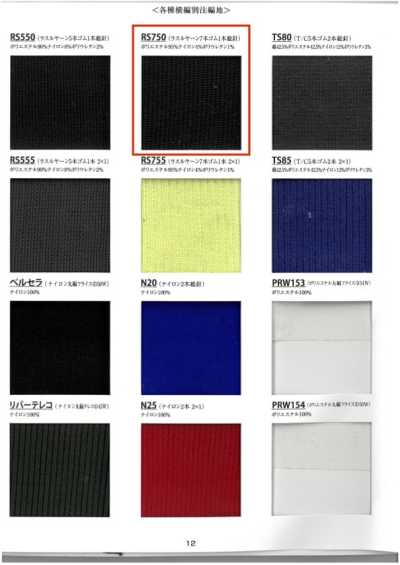
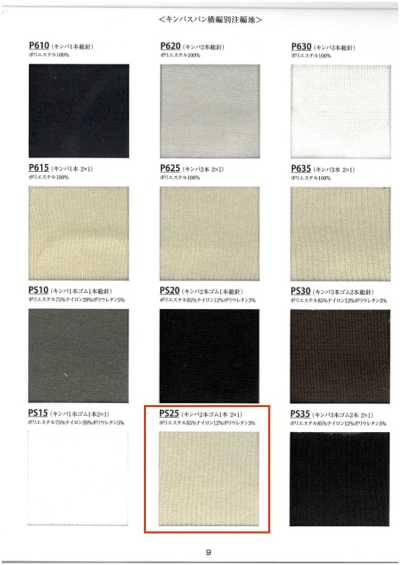
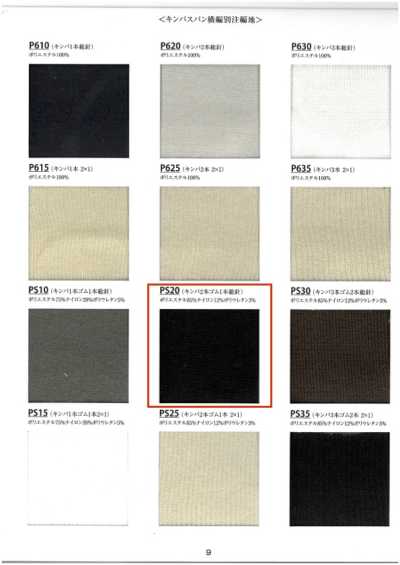
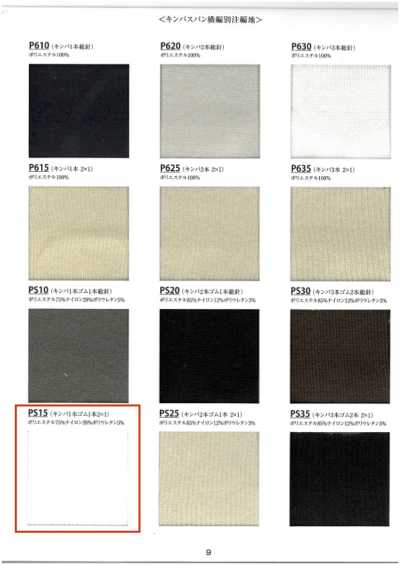
Elastic rib knit refers to a knitted accessory used for cuffs, hems, collars, and similar parts, in which elastic yarn is knitted into a rib knit fabric with pronounced ridges to increase recovery after stretching and improve fit.
Contents6 sections
Definition and Overview
Elastic rib knit is a knit accessory in tubular or bag-like forms, made by inserting or knitting elastic yarn into a rib-knit structure. In addition to the lateral stretch of rib knit itself, the recovery provided by the elastic yarn helps gently hold the body part in place when worn.
It is suitable for applications that require more holding power than standard rib fabric. However, “elastic” does not uniformly indicate the type of elastic yarn or how it is added; stretch and compression feel vary depending on the material composition, knitting design, and finishing.
Knitting Method and Structure
The base material uses rib knit, in which knit stitches and purl stitches are arranged alternately. This rib structure is easy to stretch sideways, and combining it with elastic yarn adds the force to return to the original dimensions after stretching. The appearance on the front side may be close to that of ordinary rib knit.
Elastic yarn is often knitted into the inside of the fabric, and some specifications make it difficult to see from the outside. The number of elastic yarns, spacing, thickness, and knitting tension affect the tightness, thickness, definition of the ribs, and durability, so checking the actual sample is important.
How Specifications Are Written
In specifications and quotations, confirm the gauge, finished width, and number of elastic yarns. Gauge is a measure of the fineness of the knitting machine needles, and the value alone does not determine the hand feel or thickness. Make it clear whether the width is the flat width or the circumference converted value.
The number of elastic yarns may be written as the number of yarns or rows of elastic yarn that go into the fabric. However, counting methods vary by supplier and knitting specification, so listing the elastic yarn layout, yarn used, finished dimensions, and dimensions at extension helps prevent misunderstandings.
- Gauge: an indicator of the fineness of the knitting machine needles
- Finished width: confirm whether it is the flat width or the circumference
- Number of elastic yarns: confirm not only the count but also the layout and counting method
- Extended dimension: experimentally check the required amount of stretch and recovery
Main Applications and Selection
Main applications include cuffs and hems for sweatshirts and blousons, as well as necklines for cut-and-sew items and knit products. At cuffs and hems, it helps keep out wind and shape the silhouette. For necklines, it is expected to provide both a comfortable fit around the neck and stretch for putting on and taking off.
When selecting it, consider the balance with the thickness, stretch, and hand feel of the outer fabric. If the compression is too strong, it reduces comfort; if too weak, it can lead to overstretching or riding up. Set the finished rib dimensions and the required amount of stretch according to the target product size.
Sewing Precautions and Differences from Similar Terms
In sewing, it is important to stretch the rib evenly by the required amount to match the body fabric. If the pull amount is uneven, it can cause waviness, twisting, and dimensional differences. Also give the sewing thread and seams some stretch, and check the recovery after sewing and after washing.
Elastic rib knit differs from flat elastic webbing or corded elastic that are threaded in separately, because the elastic yarn is built into the fabric structure. Rib knit without elastic yarn, TERECO Rib Fabric, and full-fashioned knit also have ribs or stretch, but their holding power and appearance are not the same as elastic rib knit.
Frequently Asked Questions
What is the difference between elastic rib knit and regular rib fabric?
Regular rib fabric relies mainly on the stretch of the knit structure. Elastic rib knit additionally incorporates elastic yarn, so it generally provides stronger recovery and compression after stretching. However, actual performance varies depending on the material, knitting method, and finishing.
How do you specify the width of elastic rib knit?
First, standardize whether it is specified by flat width or by circumference in tubular form. Then confirm the product attachment size, the stretch ratio of the rib, and whether seam allowance is included. In prototyping, it is important to confirm the post-sewing dimensions and the fit or compression during wear.