Rib Knit
Rib knit is a knitting structure in which knit and purl stitches, or stitches on the front and back needle beds, are arranged alternately to create a ribbed appearance and horizontal stretch.
Contents6 sections
Definition and Overview
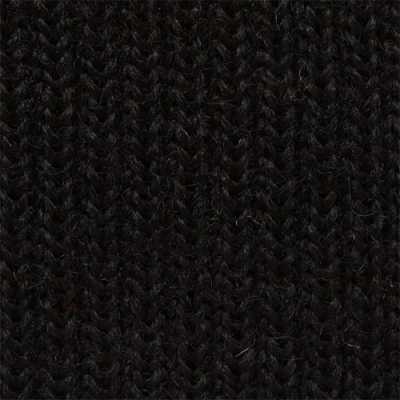
Rib knit is a knit structure in which different stitches appear alternately on the front and back sides, creating vertical ribs. It stretches well horizontally, and its tendency to return after stretching makes it suitable for areas that need to fit the body or the edges of garments.
“Rib knit” is another name for rib knit, but it does not necessarily mean that elastic yarn such as polyurethane is included. The stretch from the structure itself and the stretch from using elastic yarn together should be checked separately.
Knitting Method and Structure
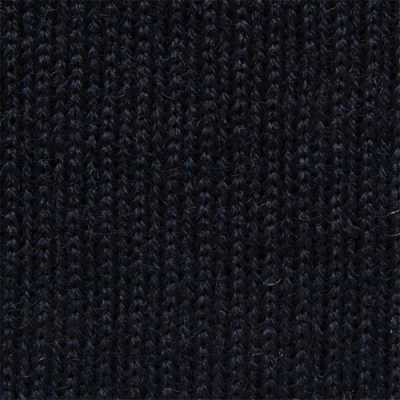
In hand knitting, it is made by alternating knit and purl stitches; in machine knitting, the basic method is to form stitches alternately using the front and back needle beds. The ridges and recesses of the ribs make the fabric gather, creating a structure that is easy to stretch horizontally when spread flat.
The stitch arrangement may alternate one stitch at a time, or several stitches at a time. The thickness of the ribs, how they stretch, and their appearance vary depending on the needle arrangement, yarn thickness, knitting density, and the fibers combined.
How Specifications Are Written
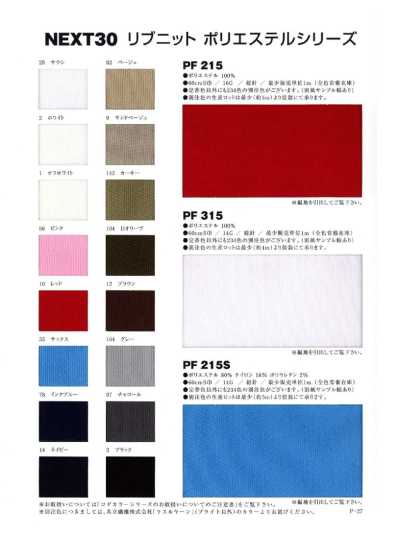
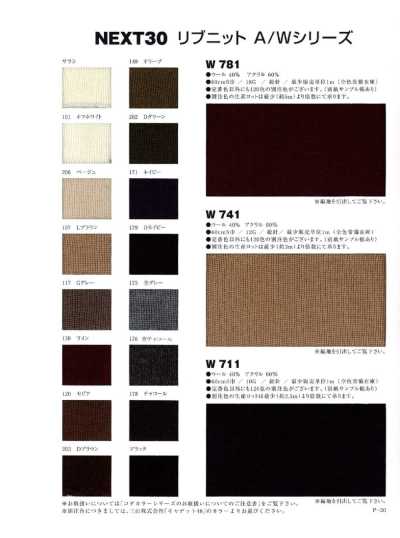
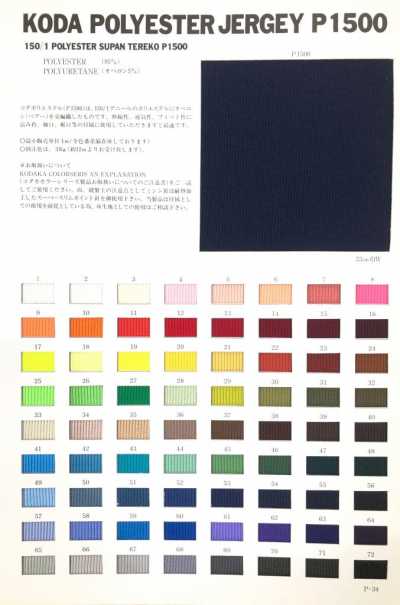
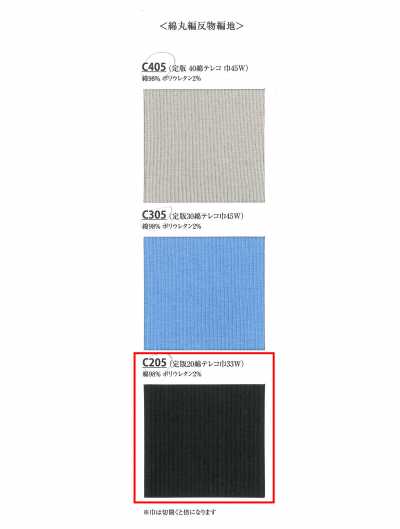
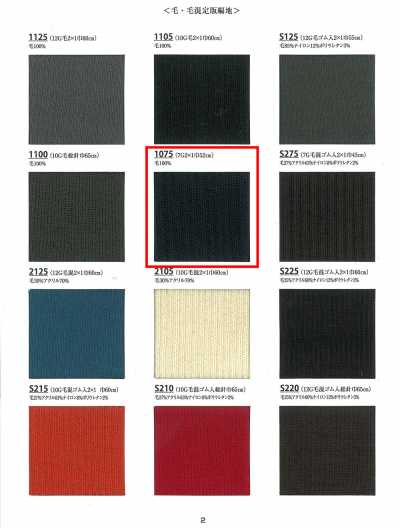
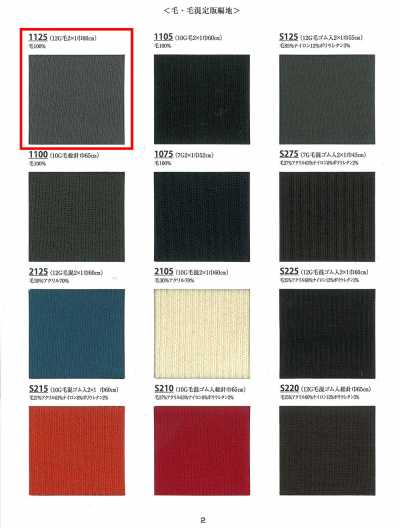
Rib specifications are generally shown by combining gauge, fabric width, rib structure, blend ratio, and fabric weight. Gauge is an indicator of the number of needles per a certain length, and thickness or firmness cannot be judged uniformly from the number alone, so it should be checked together with the yarn and stitch density.
The rib structure is expressed as “1×1,” “2×2,” and so on, indicating the combination of stitches arranged continuously on the front and back sides. In the workplace, “the number of elastic bands” may refer to this rib structure, but it may also refer to the number of elastic yarns, so the meaning of the notation should be clarified in the specification sheet.
Fabric width changes depending on whether the fabric is in the finished state, stretched state, or after finishing. When placing orders or designing patterns, it is important to confirm the required finished width, as well as stretch rate, recovery, and post-wash shrinkage through trial rolls.
- 1×1 rib: tends to form fine ribs and has a relatively even appearance.
- 2×2 rib: the ribs are more pronounced and the structure is easier to see.
- Rib with elastic yarn: in addition to the knit structure, elastic yarn is used to improve fit and recovery.
Main Applications
Rib knit is widely used for cuffs, hems, and neck openings. It makes it easy to narrow openings appropriately while balancing ease of dressing with a comfortable fit, so it is used in cut-and-sew items, sweatshirts, knitwear, and sports apparel.
When used for the entire body of a garment, it follows body movement well and gives a ribbed look. On the other hand, because it stretches easily horizontally, the fabric thickness and stitch density should be selected while considering product dimensions, sheerness, and how closely it will fit the body.
Selection and Sewing Notes
When selecting, check the thickness, stretch, recovery, post-wash change, and color difference from the main fabric to be joined. For cuffs and hems, both the stretch needed during wear and the recovery that prevents sagging even after repeated wear are important. When used for collars, confirm the stretch needed for the head to pass through and the stability that prevents waviness after wearing.
In cutting and sewing, cutting or sewing while pulling the fabric can cause twisting, waviness, and dimensional differences. Set the attachment allowance according to the stretch rate of the main fabric and rib, and use differential feed or stretchable stitches to prevent seam allowance from being pulled tight.
“Furaisu” may generally refer to a fine rib structure, but the term varies by market and production area. TERECO and full cardigan are also terms related to needle arrangement and appearance, so do not judge by name alone; check against the fabric sample and specifications.
FAQ
Are rib knit and rib with elastic yarn the same?
No. Rib knit is a knit structure that gains stretch through an alternating stitch arrangement. Rib with elastic yarn refers to a specification in which elastic yarn such as polyurethane is added to that structure. The latter can improve fit and recovery, but the blend ratio, heat, and washing conditions must be checked.
What do “1×1” and “2×2” in rib mean?
These are common notations for the arrangement of stitches that make up the ribs. 1×1 means one stitch each on the front and back sides, and 2×2 means two stitches each in succession. However, there are differences in terminology and appearance depending on the knitting machine and production area, so when ordering, also check the structure diagram and fabric sample.
How can waviness in cuff rib be prevented?
The basic step is to measure the stretch rate of the main fabric and rib and set the rib attachment allowance appropriately. During sewing, do not pull the rib excessively, and use differential feed or stretchable stitches. Since waviness may also appear after washing, carry out a washing test with a sewing sample before mass production.