Ripstop
Ripstop is a woven fabric, or weaving method, in which thick reinforcement threads are woven in a grid pattern to help prevent tears from spreading.
Contents6 sections
Definition and Overview
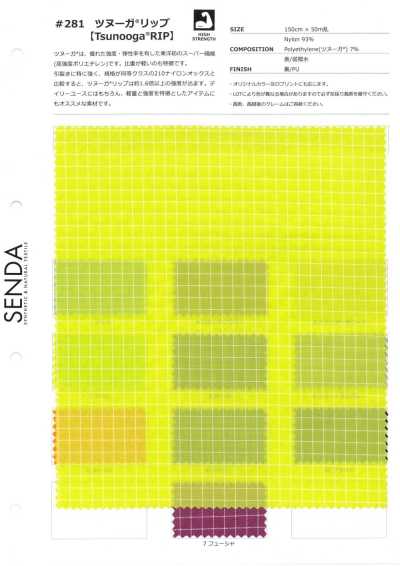
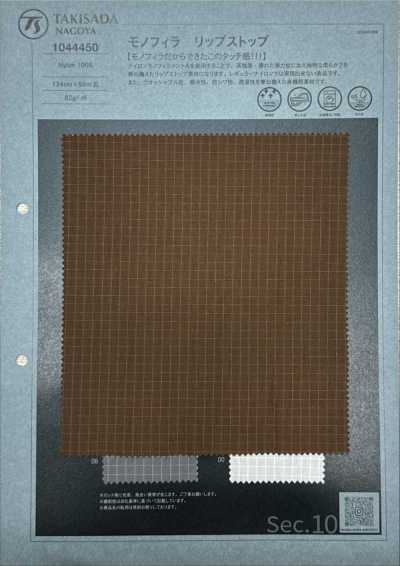
Ripstop is a textile in which reinforcing threads of different thickness and strength from the base weave are placed at regular intervals in the warp and weft directions. It is characterized by the reinforcing parts that appear in a grid pattern, and it is intended to suppress the spread of tears when a tear occurs.
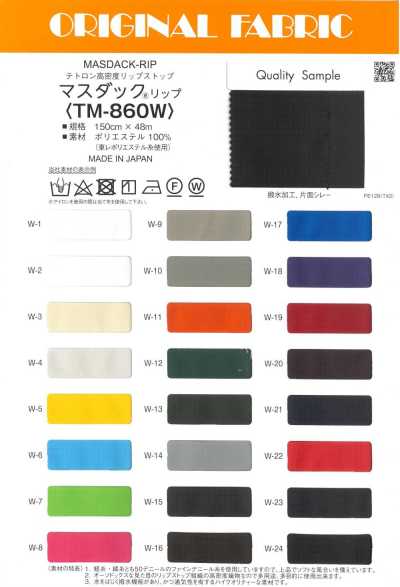
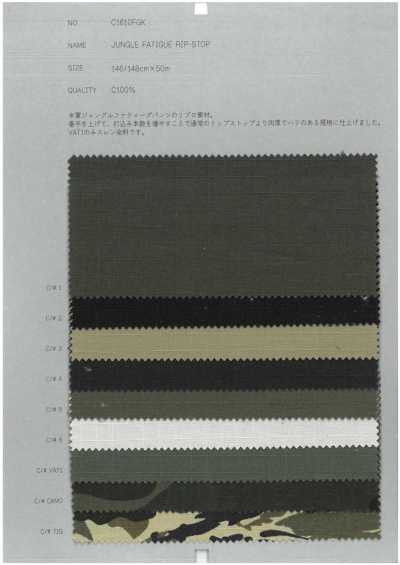
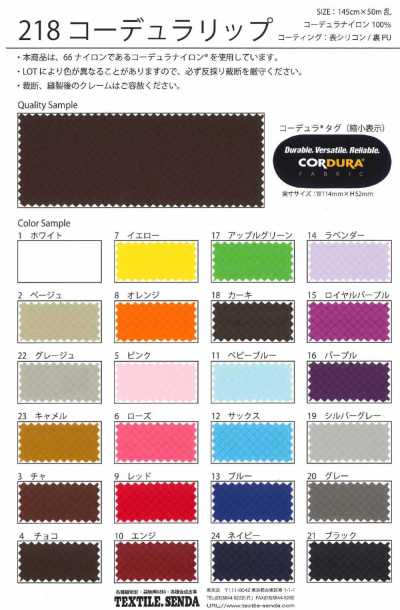
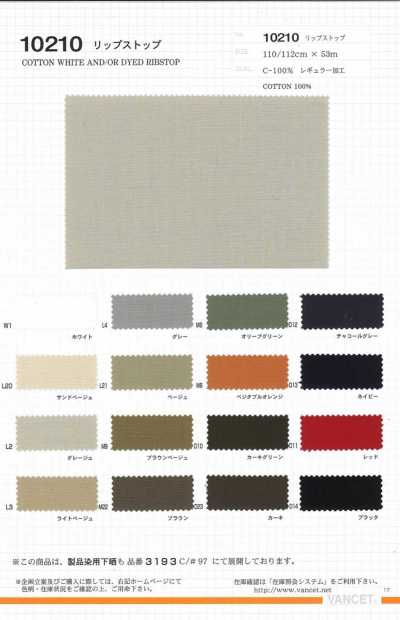
The material is often nylon or polyester, and it is also made with cotton or blends. Ripstop is not a material name but a name indicating the weaving method and structure, so water resistance, stretch, thickness, and other properties vary depending on the fibers used and the finishing process.
Features
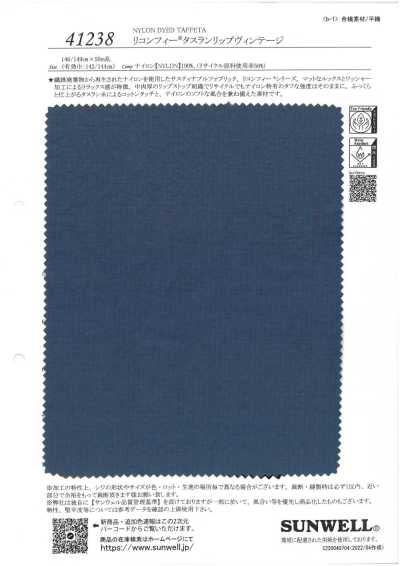
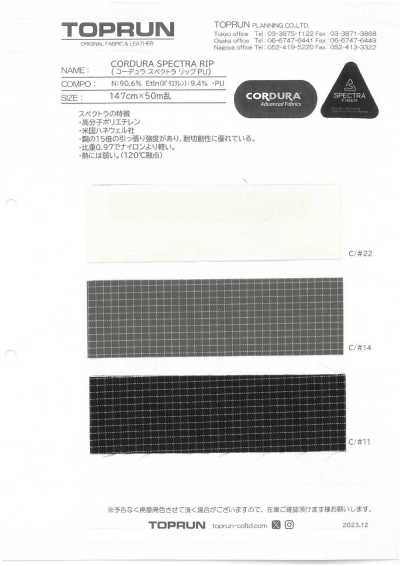
A grid pattern appears on the surface, and even when solid, it gives a sporty and functional impression. When the spacing between reinforcing threads is small, the grid looks delicate; when the spacing is larger, the grid pattern becomes more distinct, changing both appearance and texture.
One advantage is that it is easy to consider tear resistance even in lightweight fabrics. However, even ripstop does not mean holes never form at all, and friction, puncture, and seam strength must be checked separately.
- Nylon versions are often lightweight and supple, and are used for outerwear and bags.
- Polyester versions are relatively easy to achieve dimensional stability with, and are also used for uniforms and sports applications.
- Finishes such as water repellency, waterproof and moisture-permeable treatment, and coating may be combined.
Main Applications
It is used for blousons, windbreakers, pants, sportswear, and outdoor wear where light weight and tear resistance are required. Fabrics with water-repellent finishes or coatings are also suitable for rainproof items and accessory parts.
Outside of clothing, it is also used for bags, pouches, hats, aprons, and workwear. The durability required for the application is determined not only by whether it is ripstop, but also by combining fabric weight, density, material, and finishing.
Selection and Handling Notes
When selecting, check the grid size, thread thickness, fabric weight, thickness, and density. Lightweight fabrics are easy to carry, but depending on the application, abrasion resistance and seam strength may be insufficient, so verification through prototyping is important.
Fabrics with coatings or laminates may allow water to enter through needle holes. For products where waterproof performance is important, consider the seam specifications and whether seam tape is needed. Thin nylon and similar fabrics may be sensitive to heat, so confirm the iron temperature and pressing conditions in advance.
Shrinkage, color fading, and loss of water repellency due to washing vary depending on the material and finishing. Before mass production, conduct washing tests and set handling methods in line with the care label. Cutting along the grid makes it easier to align the appearance of the pattern.
Differences from Similar Terms
Plain weave is the basic weave structure in which warp and weft yarns cross alternately. Ripstop is often based on plain weave, but refers to a structure with reinforcing threads inserted in a grid pattern, and is not synonymous with plain weave itself.
Taffeta refers to a thin woven fabric with a crisp hand and luster, often made with fine filament yarns. Ripstop, on the other hand, is a term focused on the reinforcing structure. There are also fabrics that incorporate a ripstop structure into taffeta.
Frequently Asked Questions
Is ripstop a waterproof fabric?
Ripstop is a woven structure for suppressing the spread of tears, and is not a name that indicates waterproofness. Waterproof performance is added by factors such as material density, coating, lamination, and waterproof breathable membranes. If resistance to water is required, check water resistance and seam specifications individually.
Can ripstop fabric be washed at home?
Whether washing is possible is determined not by the ripstop structure itself, but by the type of fiber, the finishing process, and the product specifications. If water-repellent finishing or coating is present, performance may change with washing. Check shrinkage and appearance changes with a fabric sample, and follow the care label.
How do you choose between large-grid and fine-grid ripstop?
Large-grid fabrics make the reinforcing grid more visible as a design feature, giving a workwear or outdoor look. Fine-grid fabrics tend to make the grid less noticeable and are easier to match with lightweight fabrics. Choose by checking not only appearance, but also fabric weight, density, tear strength, and intended use.