Fibrillation
Fibrillation is a finishing process that makes the fine fiber bundles that make up a fiber more likely to separate at the surface, giving a delicate fuzzy feel, a soft hand, and a natural luster or washed look.
Contents6 sections
Definition and Overview
Fibrillation is a phenomenon or finishing process in which fibrils, the fine bundles inside a fiber, become more likely to appear on the surface, creating fine fuzz and a distinctive surface expression. It is often used for regenerated cellulose fibers such as lyocell, and the hand varies greatly depending on the degree of processing.
It does not refer to a fabric name or weave structure, but to a surface effect created by the properties of the material and post-processing. In product and fabric descriptions, it may be used as in "fibrillated feel" or "fibrillation finish."
Characteristics
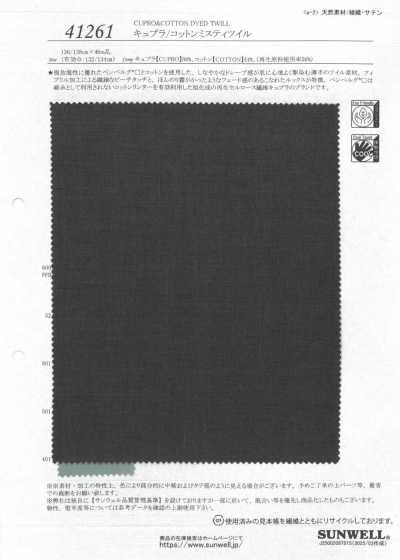
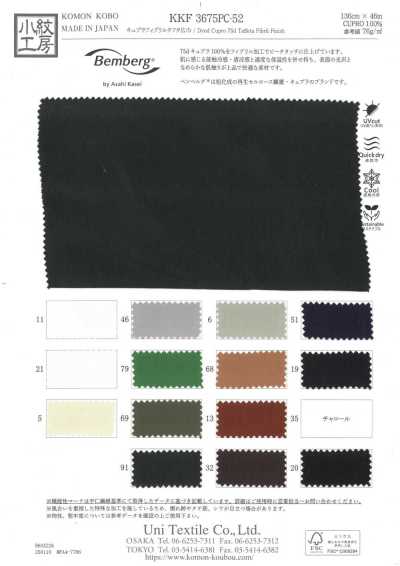
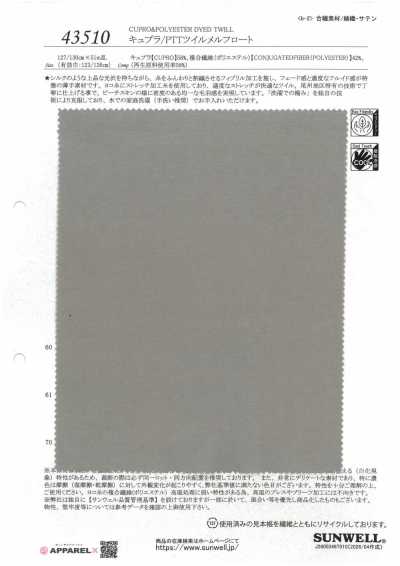
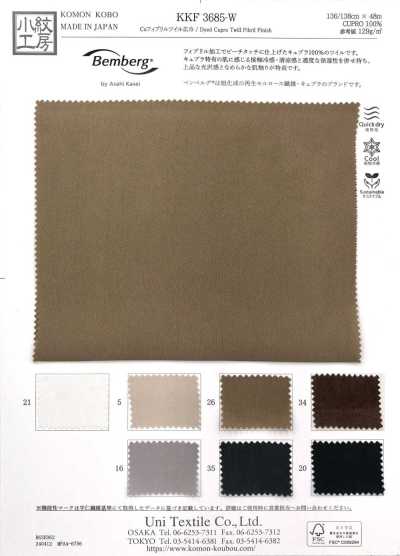
A very fine surface fuzz develops, giving a smooth and soft touch. It may express a subdued sheen, a delicate touch close to a peach skin feel, loft, and a supple drape.
On the other hand, depending on the strength of fibrillation and the material, the surface may look whitish, or the fuzziness may change with repeated washing. The appearance and hand are also affected by the combination of yarn type, structure, dyeing, and softening treatment.
Main Applications
It is used for blouses, shirts, dresses, skirts, and light apparel, making use of its soft feel and graceful drape. In lightweight materials, it may have a delicate surface texture and moderate sheerness, making it suitable for layered items for spring and summer.
In designs that combine moderate firmness and loft, it is also used for easy pants and outerwear. However, applications are not determined by fibrillation alone, so judgment should be made after checking fabric weight, stretch, sheerness, and strength.
Selection and Handling Notes
When selecting, check the strength of the fibrillated feel using swatches or rolls of fabric, and also check how it appears by color, any difference between the face and back, and fuzzing near the seams. If a garment wash is performed, test the dimensions, surface change, and seam shrinkage after washing in advance, then reflect the results in the pattern and specifications.
Because the surface feel may change with moisture, friction, and washing, the basic rule is to follow the care label and avoid vigorous rubbing during washing. In sewing, fuzz may easily appear from cut edges, so check the seam stitching conditions and edge finishing, and adjust seam allowance finishing as needed.
- Because shrinkage varies depending on the fabric processing state and washing method, perform washing tests before mass production.
- Check for whitening, fuzzing, and color transfer due to friction, especially on dark colors.
- When combining interlining or lining, confirm through prototyping whether the surface feel changes or fading appears.
Differences from Similar Terms
Brushing is a process that raises fuzz by scraping the fibers on the surface of the fabric with needles or a brushing machine. In contrast, fibrillation is characterized by the surface effect created when the fine bundles that make up the fiber separate, and in lyocell especially, it appears as a material characteristic.
Peach finish is also a process that aims for a soft touch through fine brushing like the skin of a peach, but fibrillation does not necessarily mean the same processing method. In product descriptions, both expressions may be used together, so it is important to compare the fineness of the fuzz and the luster with the actual item.
Frequently Asked Questions
Does fibrillated fabric shrink?
Whether shrinkage occurs and to what extent depends on the type of fiber, woven or knitted structure, processing conditions, and washing method. When wet treatment or washing is used to create a fibrillated feel, the dimensions and surface feel may change. Before mass production, confirm the shrinkage rate under the intended washing conditions, and make ground correction or pattern adjustments as needed.
Are fibrillation and pilling the same?
No, they are not the same. Fibrillation is a surface effect created when fine fiber bundles separate, and it may be used intentionally as a finish. Pilling is the phenomenon in which fuzz becomes tangled due to friction and forms pills. Even fabrics with a fibrillated feel may still develop pilling separately depending on wearing conditions and the material.
What should be noted when sewing fibrillated fabric?
Check for fuzz at the cut edges, fading near the seams, and surface changes caused by the presser foot or feeding. It is important to adjust the needle size, thread, presser foot pressure, and feed amount through test stitching, and to evaluate even the edge finishing of the seam allowance. Because puckering and seam shrinkage can also occur in lightweight fabrics, verify the specification in advance, including the interlining.