Lyocell
Lyocell is a type of regenerated cellulose fiber made mainly from wood pulp, and it is a material used for textile fabrics that takes advantage of its smooth feel, drape, and moisture absorption.
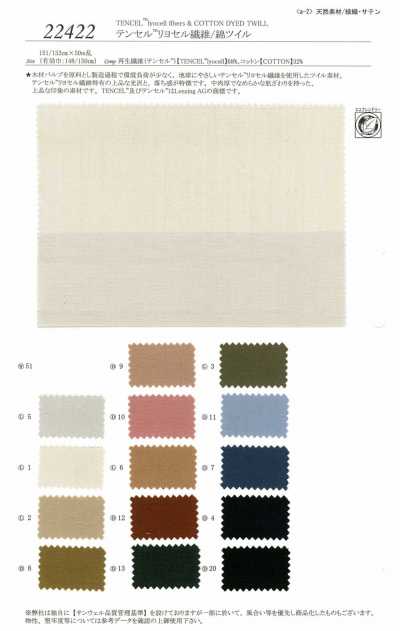
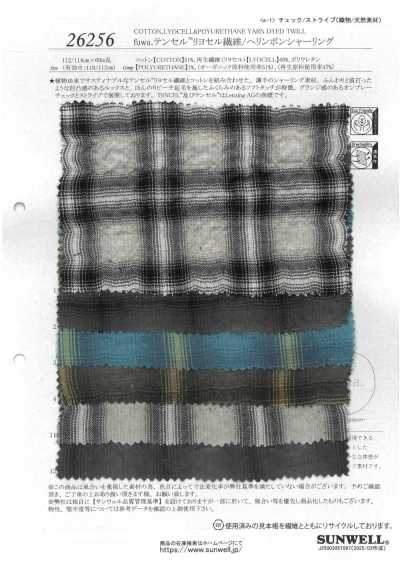
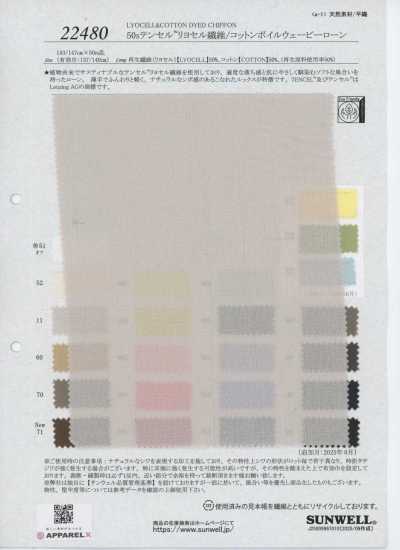
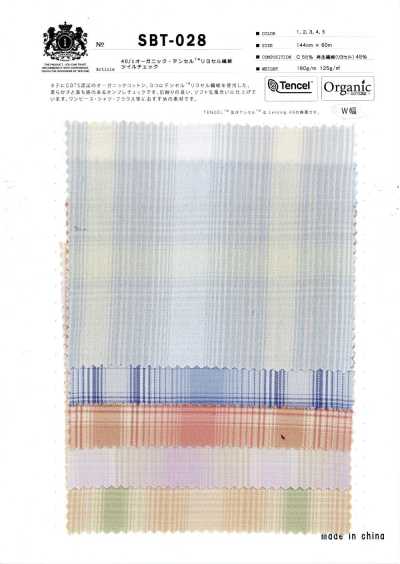
Contents6 sections
Definition and Overview
Lyocell is a regenerated cellulose fiber made by once dissolving cellulose derived from wood pulp and regenerating it into fibers. It uses naturally derived raw materials, but it is distinguished from natural fibers such as cotton and linen, which are collected directly from plants.
It is used on its own and also blended or union-fabric woven with cotton, linen, polyester, and others. Because hand feel and ease of handling vary greatly depending on yarn thickness, weaving or knitting method, finishing, and blend ratio, it is important not to judge fabric performance by material name alone.
Features
This material has a relatively smooth fiber surface and can easily create a supple drape and elegant luster. It feels soft against the skin and can also provide moisture absorption. It is used in everything from thin fabrics that make use of drape to casual fabrics such as denim and twill.
On the other hand, when strong friction is applied while wet, fibrillation may occur, in which the fiber surface becomes finely fuzzed. This property is sometimes used to create a brushed appearance, but because it can also show as whitening or fuzzing, processing and testing appropriate to the intended use are necessary.
Main Applications
Taking advantage of its smoothness and drape, it is used for shirts, blouses, dresses, skirts, pants, cut-and-sew items, and nightwear. When blended with cotton, it is chosen when you want to add softness and drape to cotton's familiar hand feel.
When blended with linen, it may be used to soften stiffness while retaining linen's cool feel and slub character. When blended with polyester and others, designs are made to supplement dimensional stability and strength, but actual performance should be checked by composition and fabric specifications.
- Shirts, blouses, and dresses where drape is desired
- Cut-and-sew items and nightwear that call for a soft hand feel
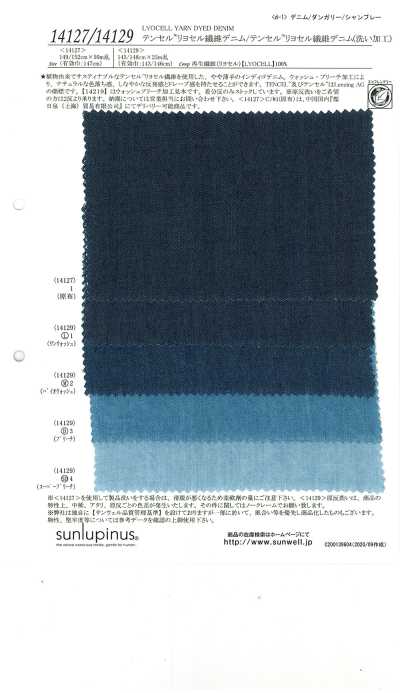
- Twill and denim that combine drape and a casual look
Selection and Handling Notes
When selecting fabric, check not only the lyocell blend ratio but also fabric weight, structure, finishing, sheerness, and stretch. In thin fabrics, seam puckering and seam slippage can be issues, and in dark colors, fading from friction can be a concern, so it is reassuring to conduct sewing and washing tests before mass production.
The degree of shrinkage, fuzzing, and color loss due to washing or water washing varies by fabric. As a basic rule, wash according to the care tag and avoid strong friction. In sewing, choose needles, thread, and feed conditions suited to the fabric, and adjust presser foot pressure and thread tension to suppress seam shrinkage and seam slippage.
Differences from Similar Terms
Rayon is sometimes used as a general term for regenerated cellulose fibers, but ordinary rayon and lyocell differ in manufacturing method and fiber properties. Lyocell is sometimes described as having smoothness and strength in wet conditions, but product-by-product quality confirmation is necessary.
Cupro is also a regenerated cellulose fiber and is used for linings and garments that make use of drape. Lyocell, rayon, and cupro are all cellulose-derived, but because the way the raw material is dissolved and the spinning method differ, the label name, hand feel, and behavior during washing should be handled separately.
Frequently Asked Questions
Are lyocell and Tencel the same material?
Tencel is one of the names used to refer to lyocell. However, in sourcing and labeling, it is necessary to distinguish between lyocell, the general fiber name, and names that include a brand or trademark. Fabric composition labels and care labels should be prepared according to labeling rules.
Does lyocell fabric shrink when washed?
Whether shrinkage occurs and to what extent depends on the lyocell blend ratio, woven or knitted structure, finishing, and washing conditions. Even for water-washable fabrics, check changes during the first wash and surface changes caused by friction while wet, and consider necessary pre-shrinking before cutting and sewing.
Can lyocell be called a sustainable material?
Because it is derived from wood pulp, it may be treated as an environmentally conscious material, but the source of the raw material, forest certification, manufacturing process, and whether certification is present differ by product. When promoting environmental benefits in planning or labeling, it is necessary to check supporting documents from the supplier.