Buffalo Check
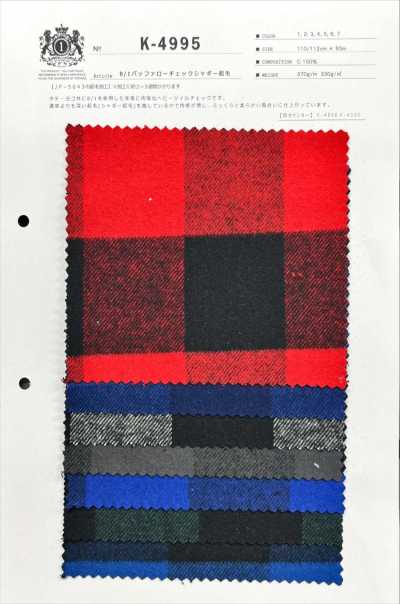
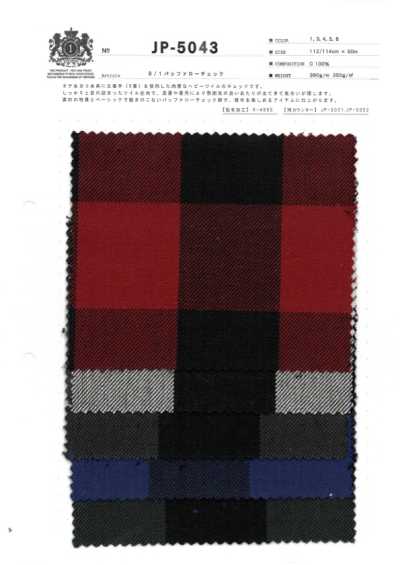
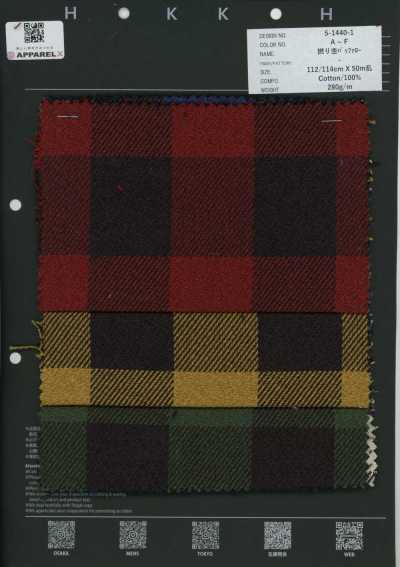
Buffalo check is a large check pattern that generally uses two contrasting colors, such as red and black, arranged regularly in squares of roughly the same size.
Contents5 sections
Definition and Overview
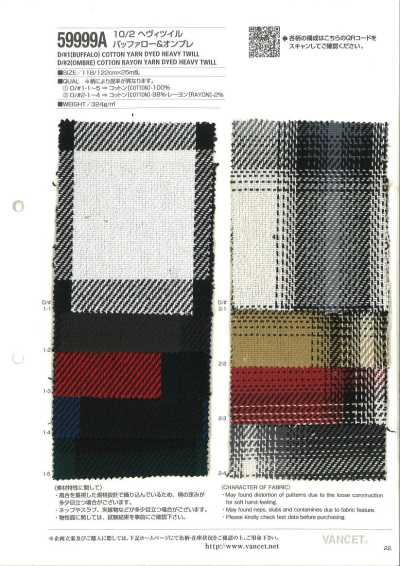
Buffalo check is a check pattern made by repeatedly arranging squares of two colors, light and dark or contrasting, created by bands of color that intersect vertically and horizontally. The red-and-black color scheme is widely known, but the color combination itself is not limited. Its characteristic is a large plaid that looks bold and strong.
It is the name of a pattern, not a term for weave structure or material. It may be woven with yarn-dyed threads, or it may also be expressed by printing. Even with the same pattern, applications and seasonal suitability vary greatly depending on the material, such as cotton, wool, or polyester, as well as thickness and whether it is brushed.
How it is called and how it differs from similar patterns
Buffalo check is generally used to refer to a large two-color plaid. However, the usage of pattern names varies by brand and fabric seller, so it cannot be strictly classified by the size of the check or the number of colors alone. When placing an order, confirm the pattern image, check dimensions, and color scheme together.
Block check is a broad term for check patterns made up of large squares, and it sometimes overlaps with buffalo check. Gingham often refers to relatively small checks made with white or a light color and colored yarn, and it tends to give a lighter impression. Tartan check is a plaid made of vertical and horizontal lines in multiple colors, and its structure differs from buffalo check, which is centered on two colors.
- Confirm the dimensions of one side of the check and the pattern repeat vertically and horizontally.
- List the number of colors, the appearance of the intersections, and whether it is yarn-dyed or printed in the specification sheet.
- Do not judge from the product name alone; confirm the appearance of the pattern with a swatch or the actual item.
Main applications and seasonality
It is used for shirts, overshirts, dresses, skirts, jackets, blousons, and more. It works well for casual wear and workwear-inspired designs, and depending on the size of the check and the color scheme, it can be developed for a wide range from kids' items to adult items.
When expressed in flannel, brushed materials, or wool blends, it generally gives a warm autumn/winter feel. On the other hand, if used on light fabrics such as broadcloth or poplin, it can also suit spring/summer shirts and lightweight apparel. Season should be judged not by the pattern itself, but by the material, fabric weight, and surface texture.
Notes on fabric selection and cutting
With plaid patterns, misalignment of lines in the left and right front panels, collar, yoke, pocket, sleeves, and other parts stands out easily, so pattern matching should be considered in the pattern and marking stage. Especially for shirts and jackets with front openings, it is necessary to decide whether to align the main check positions at both front edges or to intentionally shift them.
The larger the pattern, the more the appearance changes from product to product depending on the cutting position. For pockets, there are methods of connecting the checks with the body to make them less noticeable, and methods of intentionally shifting the pattern to create an accent. For small parts such as collars and cuffs, specifying the center of the pattern or the position of the lines makes it easier to control the finished look.
When pattern matching is performed, more fabric allowance than for ordinary solid fabrics is usually required. The necessary amount varies depending on the fabric width, pattern repeat, size range, and cutting method, so before mass production, perform marking with the actual pattern and confirm the fabric consumption. Also check in advance the right angle of the checks to the grain and any shrinkage or twisting after washing.
Frequently asked questions
What is the difference between buffalo check and gingham?
Buffalo check generally refers to a larger square check made up of contrasting two colors. Gingham is often treated as a relatively small check made with white or a light color and colored yarn. However, because the naming has some customary flexibility, confirm the check dimensions and color scheme.
Does buffalo check require pattern matching?
At the front opening, left and right front panels, yoke, pockets, and similar areas, pattern matching creates a neat impression. On the other hand, it can also be intentionally shifted as a design accent. The larger the pattern, the more noticeable misalignment becomes, and fabric consumption must be set with the pattern repeat in mind.
Is buffalo check only a fall/winter pattern?
The pattern itself is not limited to any season. In brushed flannel or wool-blend fabrics, it tends to look suited to fall/winter, while in lightweight cotton woven fabrics or lighter materials it can also be used for spring/summer shirts and dresses. In planning, determine seasonality by considering the material, thickness, surface texture, and color scheme together.