Block Check
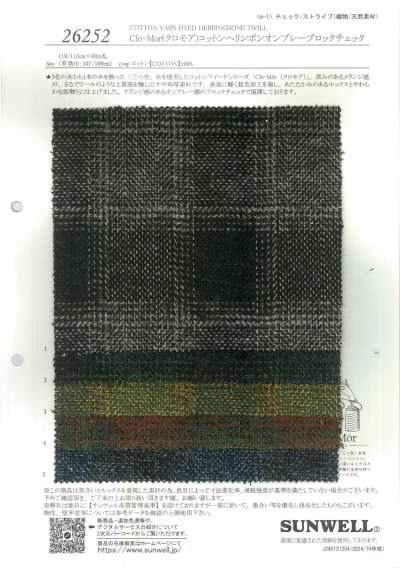
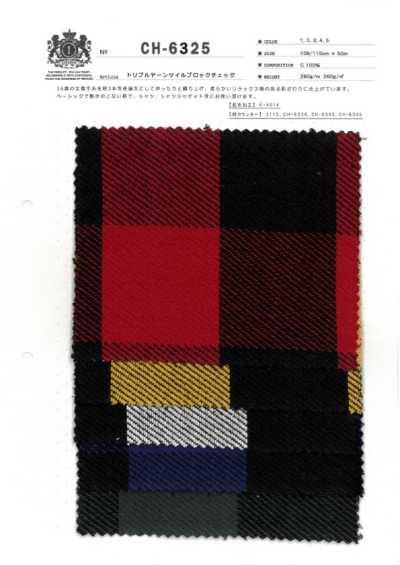
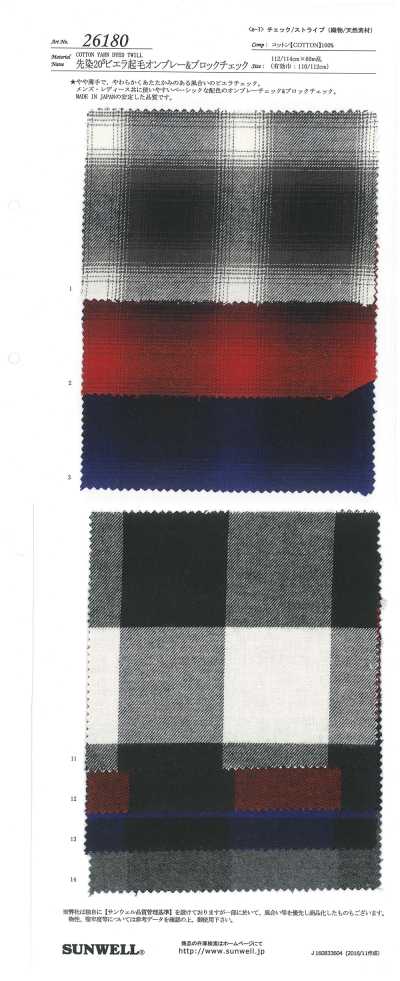
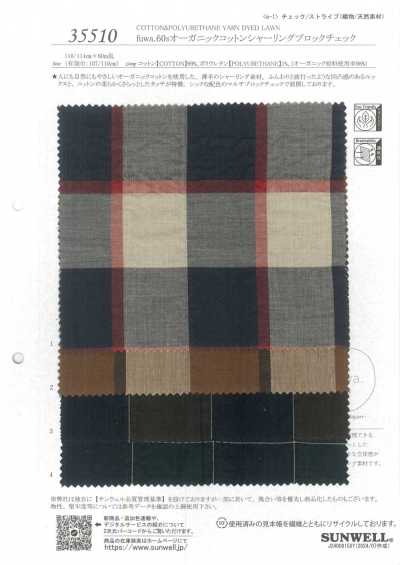
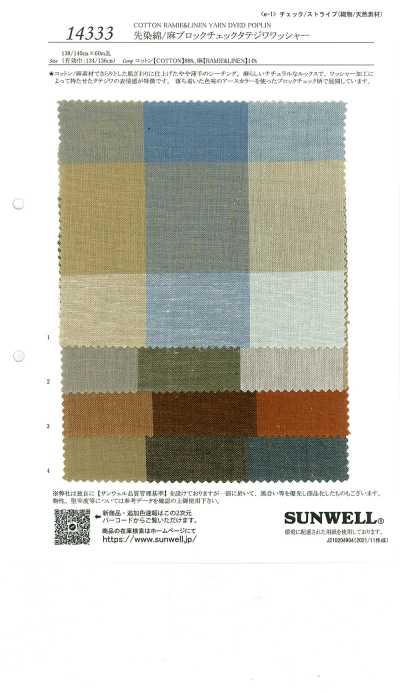
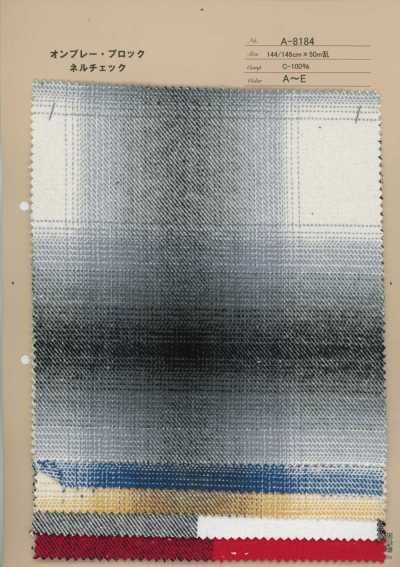
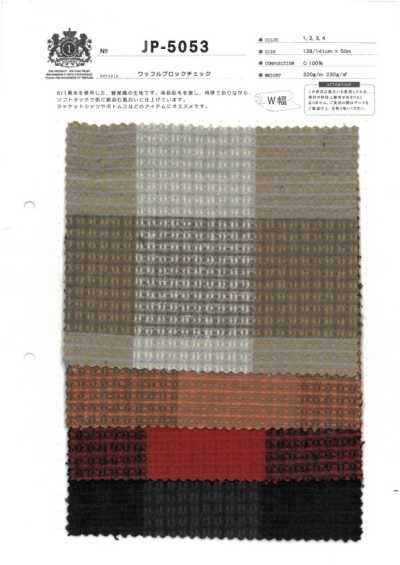
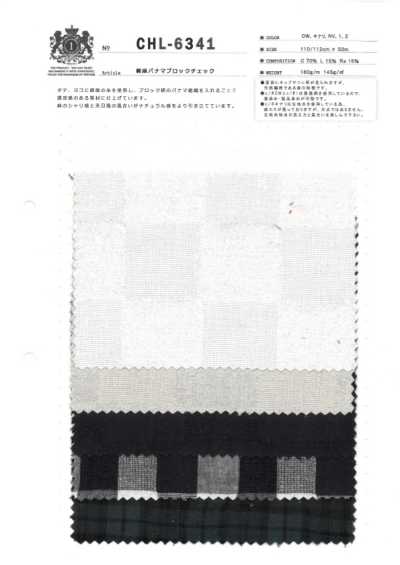
Block check generally refers to a check pattern made by regularly arranging square or rectangular blocks of multiple colors or different shades.
Contents5 sections
Definition and Overview
Block check is a general term for check patterns in which clearly defined sections appear in a continuous sequence. Each square section that makes up the grid is treated as a block, and depending on the contrast in colors and the size of the blocks, it can express anything from a casual to a calm impression.
It can be expressed not only with yarn dyed woven patterns, but also by printing and Jacquard. However, block check is a name that describes how the pattern looks, and it does not limit the weave structure, material, or dyeing method.
How the Pattern Is Formed and What It Is Called
A grid is created by using colored threads arranged in the warp and weft directions, or by combining lines and color fields, and the square sections including the intersections are emphasized. In yarn dyed patterns where the warp and weft colors overlap, a different shade may appear at the intersections, giving the grid more depth.
There is flexibility in how the term is used. It may refer to a grid made up broadly of two colors, or to a grid of thick stripes in multiple colors. When preparing specifications or selecting textile, it is important to share the size of the checks, the color scheme, and the pattern repeat with a sample.
- Checkerboard pattern: a pattern in which squares of the same size are arranged alternately, with alternating color fields rather than grid lines as the main feature.
- Gingham: generally a check pattern with vertical and horizontal lines of about the same thickness, giving a light look that often includes pale colors.
- Tartan check: a check pattern combining multiple colors and multiple widths of lines vertically and horizontally, with a more complex arrangement.
- Buffalo check: generally treated as a large two-color check, but the scope of the term may overlap with block check.
Main Applications and Seasons
It is used for shirts, blouses, skirts, dresses, pants, jackets, outerwear, and more. Because visibility changes depending on the block size and color scheme, it can stand out as the main feature of a single item or serve as an accent in an outfit.
Seasonality is not determined by the pattern alone. In thin cotton or linen-like textiles, it is often used for spring and summer, while in thick or brushed textiles such as flannel and tweed, it is often used for autumn and winter. It should be judged together with the weave, fabric weight, and hand feel.
Points to Note When Choosing Textile and Cutting
When selecting textile, confirm the relationship between the check size you want to show in the finished product and the dimensions of each item part. Large blocks create a strong presence, but small parts can easily cut the pattern off partway, so the look of the collar, pockets, cuffs, and similar areas should be considered in advance.
When aligning the check position on the left and right body panels, front plackets, pockets, or side seams, pattern matching is necessary. Check the repeat, which is one full cycle of the pattern, and if the pattern is placed with a specified layout, the required length of textile may increase compared with usual.
For textiles with a clear up-down or left-right direction in the checks, or textiles whose appearance changes due to brushing or luster, unify the grainline and direction of all parts. Also check for pattern shift or skew during spreading, and set the reference check lines before cutting.
Frequently Asked Questions
What is the difference between block check and a checkerboard pattern?
A checkerboard pattern is usually a pattern in which squares of the same size are arranged alternately in two colors or similar. Block check includes not only squares but also rectangles, and may refer to sections formed by grid lines or combinations of multiple colors. Since the actual usage of the term varies, confirm it with a pattern sample.
Does block check require more textile than usual?
In specifications where the checks must be matched at the left and right body panels, front edges, pockets, and similar areas, extra length is needed to adjust the pattern position, so the required length may be greater than for a solid textile. It is important to estimate by checking the pattern repeat, number of parts, fabric width, and the reference points for pattern matching.
Is block check only made with yarn dyed textile?