Antiviral Finishing
Antiviral finishing is a process in which chemicals or functional ingredients are applied to reduce the number of specific viruses attached to fibers or textile surfaces.
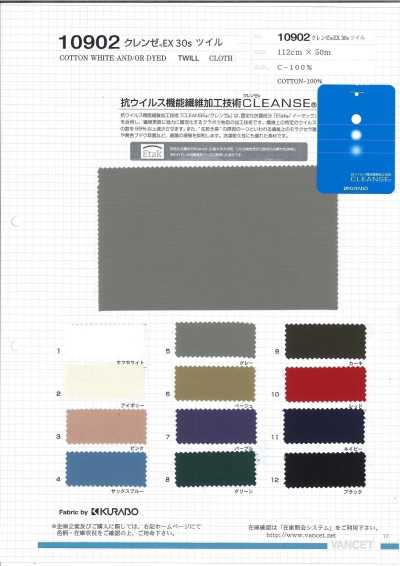
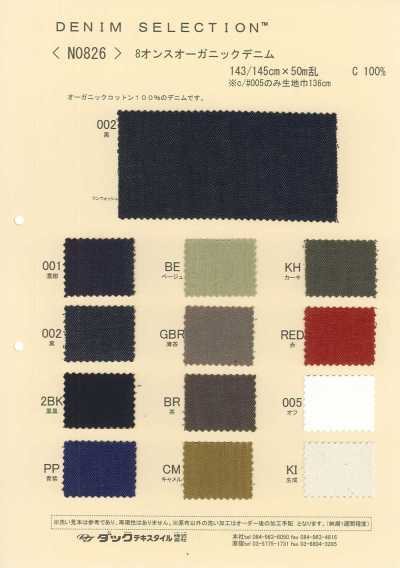
Contents6 sections
Definition and Overview
Antiviral finishing is a treatment that adds functionality to textile through aftertreatment and other methods. It evaluates performance in reducing specific viruses on fibers under test conditions, but it does not guarantee infection prevention or disease treatment for the wearer.
The target virus, evaluation method, and durability of the effect vary depending on the finishing agent, textile, and test conditions. During planning, it is important to confirm not only the function you want to promote, but also the test details that support it and the scope of the labeling.
Features and Handfeel
Processing methods include blending the functional agent into the fiber and applying the functional agent to the surface of the textile. The base fabric may be woven, knit, nonwoven, or other materials, and this is not a treatment limited to specific materials such as cotton or polyester.
In many cases, the appearance does not differ greatly from ordinary textile, but depending on the finishing agent and the amount applied, the handfeel may change in terms of stiffness, slipperiness, absorbency, and color tone. If necessary, check samples before and after processing.
Main Applications
It is used for clothing and fabric products designed with hygiene considerations as a function. In addition to shirts, innerwear, nightwear, uniforms, and kids' clothing, it is also considered for products used in applications with frequent hand contact.
It is not a treatment limited to a particular season; depending on the thickness, warmth, and breathability of the base fabric, it is used year-round or by season. For summer items, confirm absorbency and breathability; for autumn and winter items, confirm compatibility with a brushed feel and warmth retention.
Selection and Handling Notes
Depending on the material, structure, dyeing, and combination with other functional treatments, the balance between antiviral performance and appearance/physical properties changes. Select by confirming the conditions of performance tests, including after washing, the target virus, and the expressions that can be used in labeling, with the textile supplier.
To understand shrinkage, color fading, and changes in treatment performance, conduct washing tests and sewing tests before full production. High-temperature drying, strong bleaching, and the type of chemicals used may affect performance and handfeel, so handling in accordance with the care label is required.
Sewing itself can be carried out in the same way as with ordinary textile, but if the surface is slippery or stiff due to the treatment, adjust the presser foot pressure, needle, and thread tension. It is also safe to check in advance with offcuts for discoloration or fading caused by ironing.
Differences from Similar Terms
Antibacterial and deodorizing treatment is a treatment mainly intended to suppress the growth of bacteria and reduce odor generation. Since its target and evaluation method differ from antiviral finishing, even when both functions are present, confirm the performance basis for each separately.
Deodorizing treatment is a function that suppresses odors by adsorbing and breaking down odor components, and its purpose differs from antiviral finishing. It may also be used together with treatments such as shrink-proof finishing and water-repellent finishing that supplement wash durability and wearing comfort.
Frequently Asked Questions
Can clothing with antiviral finishing prevent infection?
Antiviral finishing is a treatment intended to reduce specific viruses on fibers under specified test conditions. It does not guarantee infection prevention, infection avoidance, or therapeutic effects through wear. In product labeling, confirm the test targets and the scope of what can be stated.
Does antiviral finishing come off with washing?
Changes in performance due to washing vary depending on the finishing method, base fabric, detergent, and drying conditions. Some finishes have confirmed wash durability, but it is necessary to check performance data, including the number of washes and the test method. For products, follow the care label and avoid excessive bleaching or high-temperature treatment.
Are antibacterial and deodorizing finishing and antiviral finishing the same?
No, they are not the same. Antibacterial and deodorizing finishing mainly aims to suppress the growth of bacteria and reduce odor generation, while antiviral finishing targets specific viruses on fibers. Both functions may be added, but the evaluation targets, test methods, and labeling content should be confirmed separately.