Bleaching
Bleaching is a process centered on bleaching and scouring that removes natural pigments and impurities from fibers and textile to create a white, clean-looking appearance.
Contents6 sections
Definition and Overview
Bleaching is a process that removes pigments, oils, sizing, and other substances remaining in natural fibers such as cotton and linen, brings out whiteness, and makes dyeing and printing easier. The process may combine desizing, scouring, bleaching, and other steps.
In textile trading, the white-processed textile itself may also be called "bleaching." On the other hand, "washed and bleached" can refer to wrinkles and a natural look like a washed item, and its meaning differs from bleaching as a process.
Features and Effects on Textile
Bleaching evens out whiteness and makes it easier to stabilize the color appearance of pale dyeing and printing in later processes. It creates a brighter, cleaner look than natural color and may make the material's original uneven coloring and impurities less noticeable.
However, depending on processing conditions and material, it may affect hand feel, strength, and water absorbency. If a soft finish is desired, confirm post-bleaching treatments such as softening; if shape stability is important, confirm treatments such as shrink-proofing.
Main Applications
It is used for shirts, blouses, underwear, bedding, and kids' apparel that take advantage of whiteness, as well as a base for dyeing and printing. It ranges widely from light apparel to industrial uses, and suitable items differ depending on weave, fabric weight, and finish.
For lightweight fabrics for spring and summer, check sheerness and how the fabric sits against the skin in addition to whiteness. For shirt fabrics and cut-and-sew fabrics used year-round, it is important to check shrinkage after washing, skewing, and tendency to yellow at the planning stage.
Selection and Handling Notes
The degree of whiteness, whether fluorescent whitening agents are used, hand feel, and shrinkage rate differ by textile. Clarify whether you want a natural off-white tone or a bright white, and choose not only from swatches but also by checking appearance after a wash test.
Before sewing, consider fabric straightening and hot-water shrinking in view of shrinkage caused by washing and steam. White goods show stains and color transfer more easily, so it is necessary to keep the work environment clean during cutting and sewing and manage them so they do not come into contact with dark textiles.
For home washing, follow the care label on the product. Whether chlorine bleach can be used depends on the fiber type, whether the item is dyed, and the accessories, so it is not always safe to assume it can be used just because the textile is white.
Differences from Similar Terms
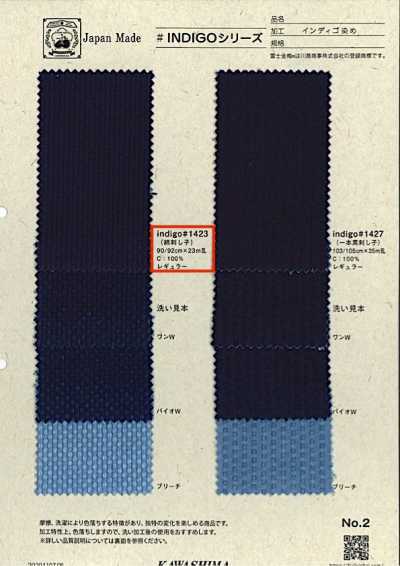
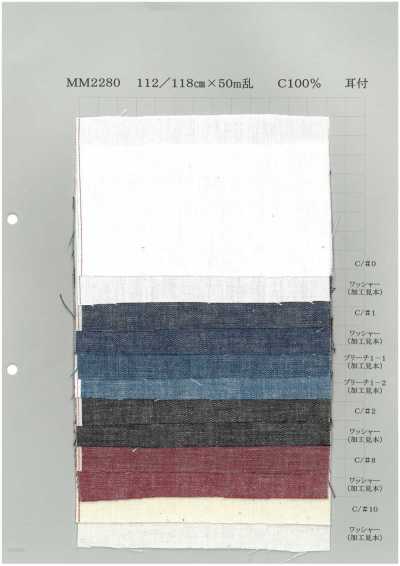
Greige fabric is fabric close to an unprocessed state immediately after weaving, and may still have sizing and impurities remaining. Bleaching refers to a state in which greige fabric and similar materials have been scoured and bleached to improve appearance and suitability for later processing.
Prepared for dyeing (PFD) refers mainly to bleaching performed as pretreatment before dyeing or printing. Bleaching can also refer to a process that removes color from products or dyed textiles to create texture, and in that case its purpose may differ from bleaching used to make white fabric.
Frequently Asked Questions
What is the difference between bleaching and natural color?
Natural color generally refers to a color close to the material's original shade, without bleaching or with bleaching kept to a minimum. Bleaching is a state in which whiteness has been adjusted through scouring and bleaching. However, the actual whiteness and processing range differ by textile, so it is necessary to check the sample and specifications.
Does bleached fabric shrink when washed?
Bleaching alone does not prevent shrinkage. In particular, natural fibers may change in size due to washing, moisture, and heat. Check the textile shrinkage data, and before mass production test under the intended washing conditions and reflect the results in patterns and fabric requirements.
Can bleach be used on bleached fabric?
Whether it can be used is determined by the product's fiber composition, dyeing, printing, resin finish, and accessories. Even on bleached fabric, chlorine bleach may cause yellowing, discoloration, or loss of strength. Always check the care label and the handling conditions for the textile and accessories.