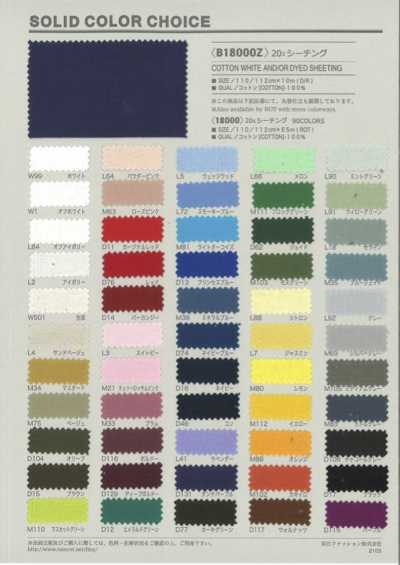
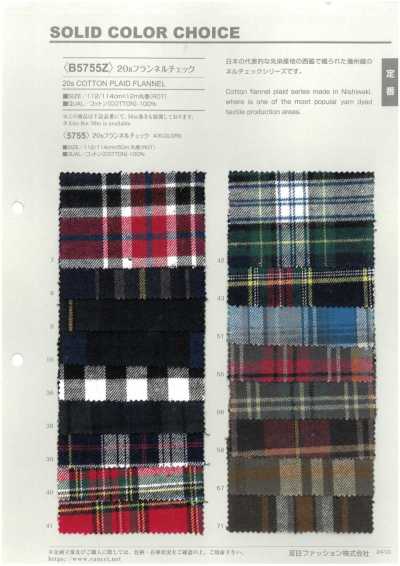
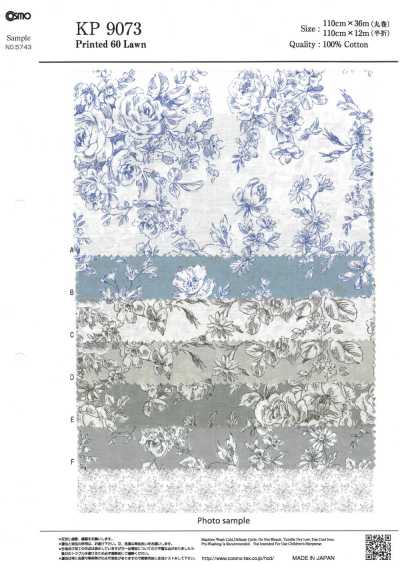
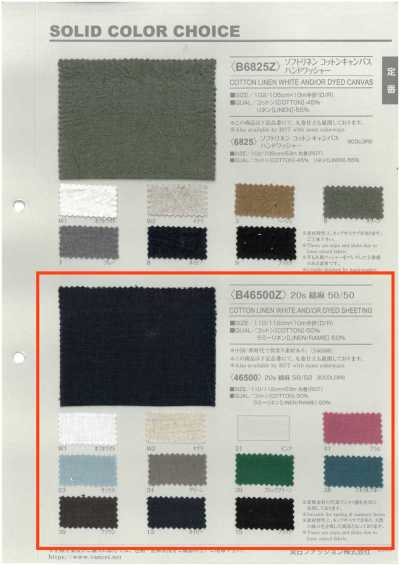
Full Roll / Half-fold
Full roll / half-fold refers to the packaging and presentation terms for shipping and storing fabric as a roll: full roll, which is wound as-is at full width, and half-fold, which is wound after folding the fabric in half widthwise.
Contents6 sections
Definition and Overview
Full roll refers to a shipping form in which fabric is wound onto a core or similar item with the full width opened from selvage to selvage. Half-fold refers to a shipping form in which fabric is folded in half lengthwise near the center of the width and wound in that folded state. Neither term refers to weave structure or material.
The “half” in half-fold indicates folding the fabric widthwise in two. The actual fabric width itself does not become half, and for cutting or specification checks, the width is handled based on the opened width.
Use in Transactions
Full roll and half-fold are used when quoting, placing orders, giving shipping notices, receiving goods, and confirming storage methods. Even for the same product number, the shipping form may differ depending on the roll length or sales unit, so when ordering, confirm the fabric width, length, and number of rolls together.
At sewing factories, confirming the shipping form before spreading the fabric makes it easier to plan work. Half-fold requires an opening step, and any creases at the fold line, fold marks, and the face/back orientation should also be checked during inspection before cutting.
- On the purchase order, clearly state the desired shipping form, such as “full roll preferred” or “half-fold acceptable.”
- On the delivery note or roll tag, match and verify the fabric width, roll length, number of rolls, and shipping form.
- For long fabrics or heavy rolls, also confirm whether they can be brought to the receiving area.
Points to Check and Approximate Numbers
For half-fold items, the packed width is generally about half of the full width. On the other hand, the fabric width shown as a product specification is the full width when opened. For example, even if the fabric width is listed as 150 cm, receiving it in half-fold does not change the specified width of 150 cm.
Roll length is a separate management item from the shipping form. Even with the same fabric width, the length per roll and sales unit may differ between full roll and half-fold. Check the measured length per roll, whether it is a random-length roll, and how many rolls will be delivered for the required quantity, and reflect this in the fabric usage calculation and receiving quantity.
Points to Avoid Misunderstandings
Full rolls tend to take up more storage width than half-fold items, which affects the receiving route, shelf dimensions, and how they are set on the spreading machine. Half-fold saves space more easily, but because it has a fold line, it is important to check in advance for fold creases on delicate surfaces, nap, or processed surfaces.
Full roll and half-fold are different concepts from face side in and face side out, which indicate the front and back of the fabric. Especially for printed, brushed, or napped fabrics, check the winding direction, front/back, and selvage position against the roll tag and the actual item. The desired shipping form may not always be selectable due to production or delivery conditions.
Difference from Similar Terms
Roll stock is a transaction term that refers to fabric wound as a roll, or the fabric itself in that form. Full roll and half-fold are classifications of the shipping form, meaning how that roll stock is wound and delivered in terms of width. The term roll is also used as a quantity unit.
Fabric width is the measurement from selvage to selvage of the opened fabric. Confusing it with the packed width of a half-fold item may lead to misunderstanding the cuttable width. Random-length rolls refer to a state where the length per roll is not fixed, which is different information from full roll and half-fold.
Frequently Asked Questions
Is fabric delivered in half-fold half the fabric width?
Half-fold is a shipping form in which the fabric is folded in two widthwise; it does not mean the specified fabric width becomes half. The fabric width shown on the roll tag or product specification is usually the measurement from selvage to selvage in the opened state. Before cutting, open the fabric and check the width.
Can full roll or half-fold be specified when ordering?
Whether it can be specified depends on the fabric specification, inventory shipping form, and delivery conditions. Even for the same fabric, the shipping form may differ depending on the sales unit or roll length. Before placing an order, it is important to confirm the desired shipping form, fabric width, required length, and number of rolls together.
What should be checked before cutting half-fold fabric?
Open the fabric and check for creases at the fold line, fold marks, front/back orientation, selvage position, and the actual fabric width. For patterned items, also check the pattern direction. If necessary, allow the fabric to relax and then inspect and spread it before cutting to reduce defects during cutting.