Full Roll
A roll is a bundled length of textile that has been managed and distributed as a unit of fabric wound into a roll or folded after weaving, knitting, and dyeing.
Contents6 sections
Definition and Overview
A roll is a unit of fabric in which apparel fabric is wound into a fixed length or folded. It is the basic shipping form used when manufacturing, selling, storing, and cutting fabric, and is also called tan.
A roll does not refer to the fabric structure, fiber material, hand feel, or appearance. Even when called a roll, it may be woven fabric, knit fabric, nonwoven fabric, and so on, and the width, length, fabric weight, color, and processing details all differ.
Features and Management Unit
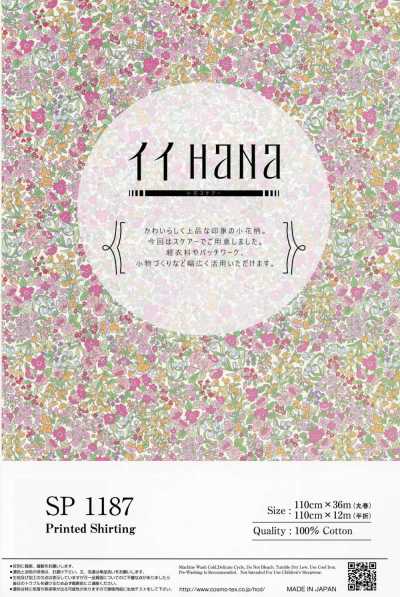
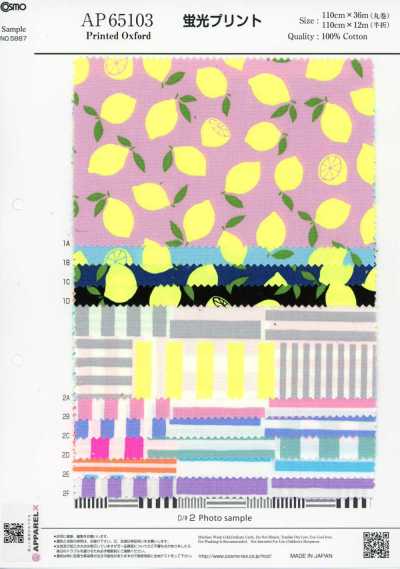
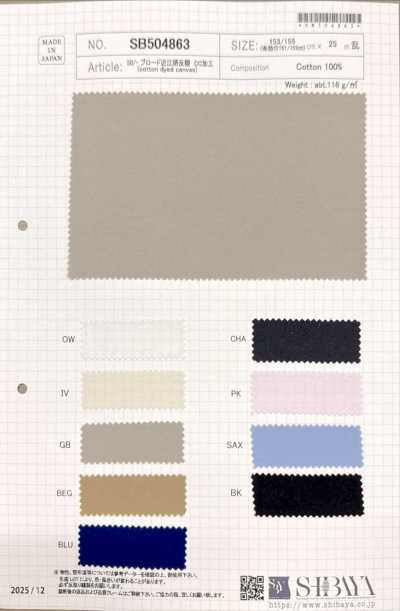
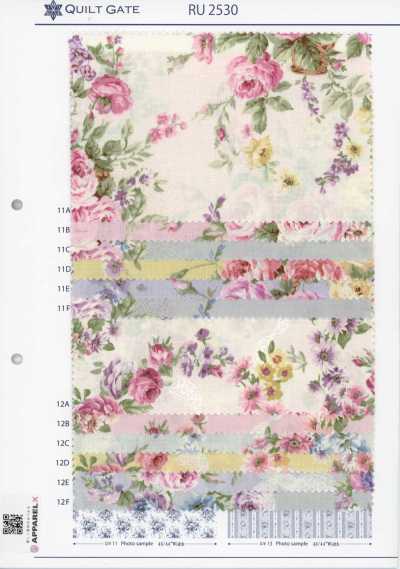
Rolls generally display information such as product number, color number, lot, roll length, and width. Since roll length may differ for each roll, it is important to confirm whether the required amount is sufficient using both the listed value and the actual measurement.
The edge of the fabric has a selvedge, and the width and grain are checked based on the selvedge. Since the effects of curling and tension may differ between the outside and inside of the roll, the fabric is spread out and checked before cutting.
- The length of a roll is handled as roll length or the number of meters in a roll.
- Even with the same product number and color, differences in color tone and hand feel may appear if the production time or lot differs.
- A single roll may include fabric defects such as stains, weaving flaws, and uneven color.
Main Applications
Rolls are used for cutting a wide range of products, from clothing such as shirts, jackets, pants, dresses, and coats to bags, fashion accessories, and interior products. Suitable items and seasons vary depending on the material, thickness, and processing.
In mass production, it is common to secure rolls from the same lot together and spread and cut them. This helps reduce color differences between products and leads to an efficient cutting plan that takes pattern direction and pattern matching into account for patterned items.
How to Choose and Handling Precautions
When arranging a roll, consider the required length together with cutting loss, allowance for pattern matching, and the possibility of fabric defects. If post-processing such as washing or pleating is performed, shrinkage and color change caused by processing must also be anticipated.
Before cutting, inspect the fabric to check for defects, width, roll length, color differences, and skew. Natural fibers and stretchy fabrics may change in dimension due to tension during storage or cutting, so if necessary, use them only after boiling and straightening the grain.
Changes in shrinkage or appearance after washing are not determined by the form of the roll itself, but by the material, structure, and dyeing process. Conduct testing and wash checks before full production, and reflect the shrinkage rate and handling conditions in the specification sheet.
Differences from Similar Terms
While tan refers to a unit for counting fabric or the fabric wound into a roll itself, roll is often a term for fabric in a rolled or folded state before it becomes a product. In actual transactions, the two terms may be used with nearly the same meaning.
Cut to order refers to fabric cut to the amount needed to make one garment, and its supply form differs from that of a roll. Sample roll is fabric for checking, and its use and length differ from those of rolls used for mass production.
Frequently Asked Questions
Is the length of one roll fixed?
The length of one roll varies depending on the type of fabric, manufacturing conditions, and the supplier’s rules, so it is not uniform. Even for the same product number, there may be differences from roll to roll. Before ordering or cutting, check the roll length, width, and usable width individually.
How should rolls and cut to order fabric be used differently?
Rolls are bundled fabric used for mass production or cutting multiple garments. Cut to order fabric refers to fabric divided into the amount needed for one garment. In prototyping, cut to order fabric is often used, while rolls are often used in mass production, but this depends on the application and transaction conditions.
What should be checked before cutting a roll?
In addition to the product number, color number, lot, roll length, and width, check fabric defects such as stains and weaving flaws, as well as color differences and skew through fabric inspection. For fabrics where shrinkage or stretching is a concern, also determine before cutting whether testing, boiling, or grain straightening is necessary.