Zipper Teeth
Zipper teeth are the toothed components that are attached continuously to the left and right tapes of a zipper and interlock through the action of the slider to close the opening.
Contents6 sections
Definition and Overview
Zipper teeth are the interlocking parts on the left and right sides that keep a zipper closed. They are generally also called the “chain” or “elements” and are related to the zipper’s opening and closing function, appearance, and strength. They do not refer to the zipper as a whole, but to one of its component parts.
A zipper consists not only of the teeth, but also the slider that moves the teeth to engage them, the top stop and bottom stop that define the opening range at both ends, and the zipper tape that supports the teeth. Since it is usually difficult to replace only the teeth, repair or replacement of the entire zipper is considered when damage occurs.
Structure and Types
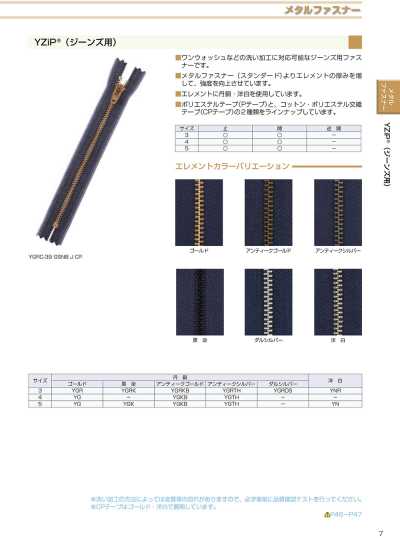
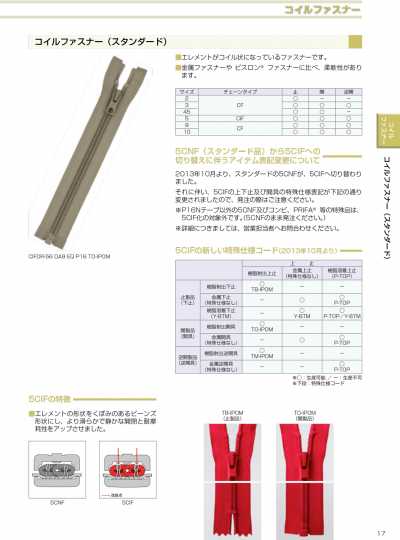
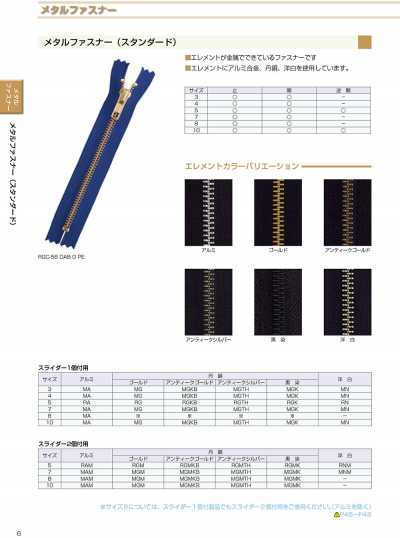
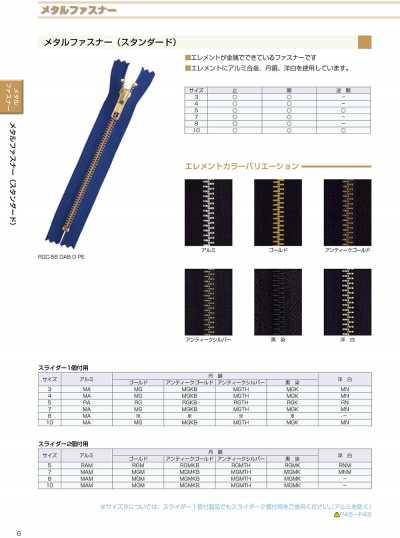
The teeth are arranged as left-right pairs and interlock with each other as they pass through the slider. Depending on the material and forming method, they include types with coiled resin sewn on, molded resin teeth, and attached metal teeth.
Zipper tooth size is used as a term indicating the approximate width of the engaged portion. The larger the size, the more prominent the opening and closing area becomes, and in general it also becomes easier to increase durability, but it is important to choose according to the product thickness, softness, and application.
- Coil zipper: Flexible and used for apparel and pouches.
- Vislon zipper: The resin teeth are more visible and are used for applications that take advantage of their lightness.
- Metal zipper: Has a distinctive metal texture and is used for casual apparel and bags.
Specifications and Main Applications
The type of teeth is also related to how the zipper opens and closes. In closed-end zippers with a closed bottom end, open-end zippers with a separated bottom end, and two-way or double-slider zippers that can be opened and closed from both ends, the component configuration differs not only in the teeth but also in the bottom stop and box pin, among others.
In apparel, they are used for front openings, side openings, pockets, cuffs, and fly fronts on pants. For bags and accessories, the frequency of putting items in and taking them out, the load, and how easily the corners bend are considered. Whether to show the teeth on the surface or hide them like a concealed zipper is also a product design choice.
Selection and Sewing Precautions
When selecting, clearly specify the material, size, and color of the teeth, the color and material of the zipper tape, the required length, and the opening style in the specification sheet. For thick fabrics or areas subjected to load, consider a strength suited to the application; for thin fabrics or curved sections, consider a specification that is less likely to damage the fabric and can follow the shape more easily.
Zipper length is often checked based on the effective portion where the teeth run continuously from the top stop to the bottom stop. However, with open-end zippers, there may be a difference from the notation for the total length including the box pin, so please confirm the dimensional definition used by the supplier.
In sewing, adjust the presser foot type and sewing position so the needle does not hit the teeth. Stitches too close to the teeth, waviness in the tape, and left-right height misalignment can cause poor opening and closing. If washing or garment washing will be performed, confirm fabric shrinkage, discoloration of metal parts, and damage to resin parts through a preliminary test.
Differences from Similar Terms
Teeth refer to the interlocking toothed portion. The slider is the moving part that opens and closes the teeth, and the pull tab is the handle used to operate the slider. The top stop and bottom stop are end parts that keep the slider from coming off, and they are distinguished from the teeth themselves.
“Chain” may refer to the state in which the teeth are continuously attached to the zipper tape. Also, “zipper” is the name for the entire fastening device, including the teeth, tape, slider, stops, and more. Since the terms are sometimes used interchangeably in conversation, it is best to list the part names separately in specifications.
Frequently Asked Questions
How should zipper tooth size be selected?
Choose according to the fabric thickness, the force applied when opening and closing, frequency of use, and appearance. Larger sizes are considered for thick outerwear, bags, and work applications. On the other hand, for thin garments or openings that you do not want to stand out, a specification that blends in with the product is selected.
Where on the zipper teeth is the length measured?
In general, the engaged length of the teeth from the top stop to the bottom stop is checked. However, for open-end zippers with a box pin and for special specifications, the notation may differ from the overall product length. When placing an order, it is safest to indicate and confirm the reference position for the required dimensions.
If the teeth do not engage properly, will replacing only the slider fix it?
If wear or deformation of the slider is the cause, it may improve, but if the cause is missing or deformed teeth, or tape stretch or stitching, it will not be solved. Check the cause, and if the teeth are damaged, replacement of the entire zipper is usually considered.