Open-end Zipper
An open-end zipper is a zipper that can completely separate the left and right tapes by detaching the bottom pin, and is used for front openings and similar applications.
Contents6 sections
Definition and Overview
An open-end zipper is a specification in which, when the slider is moved to the bottom end and the retainer box is detached, the left and right zipper tapes separate completely. It is used for garments with a front center that opens and closes widely, and for products that need to be removed.
It differs from a closed-end zipper, which opens and closes while the bottom end remains connected, in that it has a separable pin and box and the tapes can be separated. It may also be called an opening zipper or a separating zipper.
Structure and Components
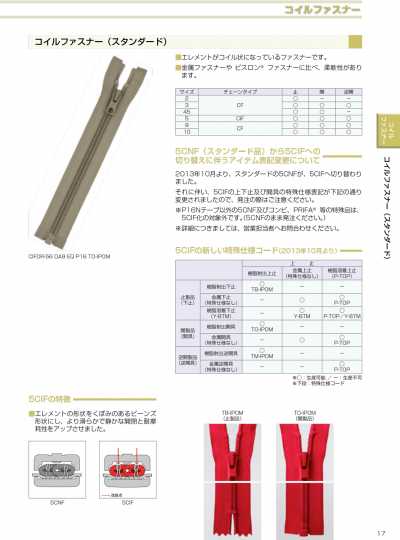
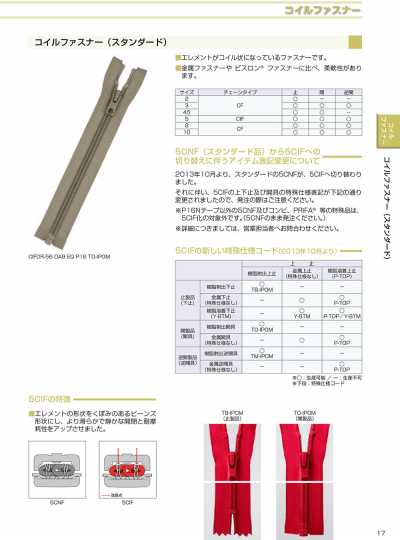
The main components are the interlocking elements that open and close, the slider that moves the elements, the zipper tape that supports the elements, the top stop at the upper end, and the retainer box at the lower end. The retainer box generally consists of a pin on one side and a box on the other.
When closing, insert the pin securely into the box before moving the slider upward. If you force it up without inserting it properly, it may cause poor engagement of the elements or damage to the retainer box.
Types and Specifications
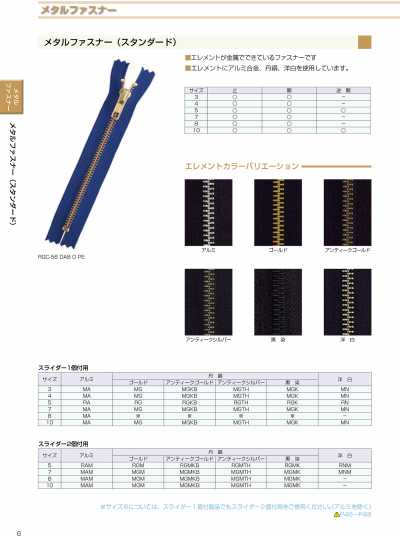
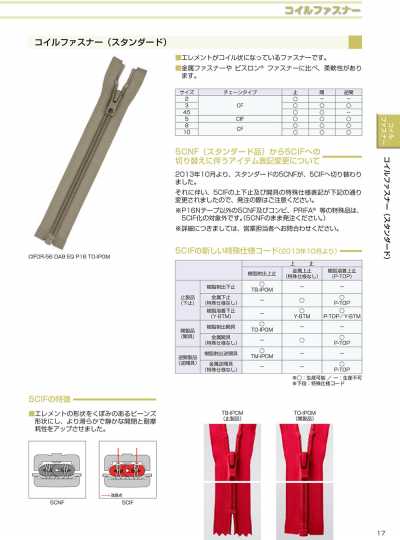
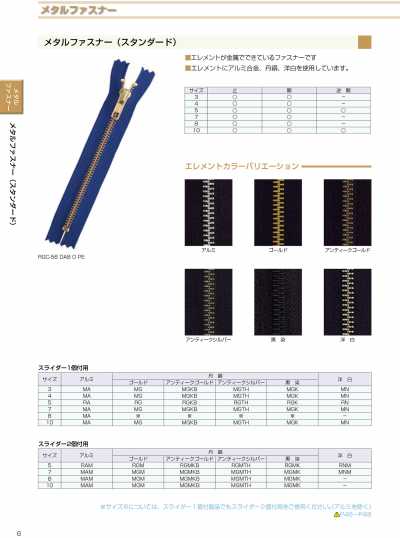
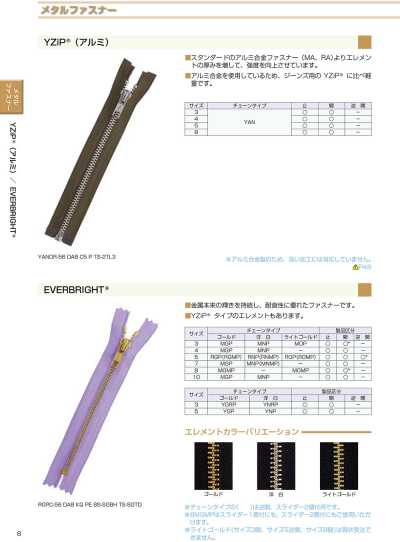
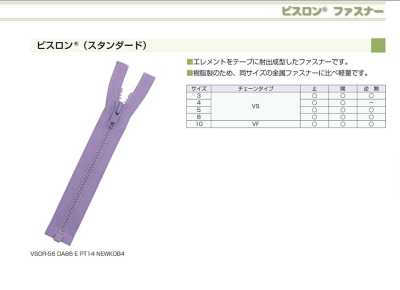
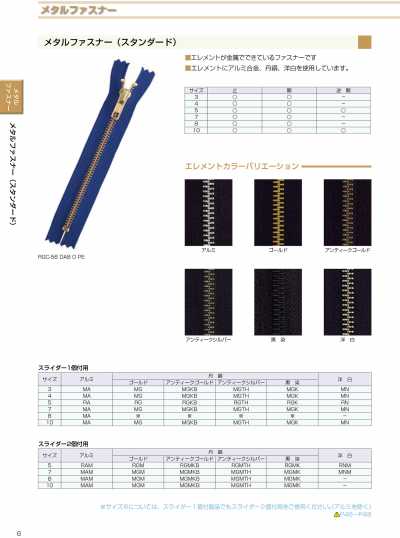
The elements come in types such as coil, molded plastic, and metal. Since the element size affects strength, thickness, appearance, and slider size, select it according to the textile thickness, applications, and frequency of opening and closing.
In addition to the standard one-way opening type, there is a two-way separator specification that opens and closes from both ends. Two-way separator zippers and double sliders are used for coats and similar items where the amount of opening during wear needs to be adjusted, but the slider direction and retainer box specification should be checked.
Length indications and whether the retainer box is included may differ depending on the product. When placing an order, do not judge by the labeled length alone; it is important to share the top end position, bottom end position, retainer box position, and required finished dimensions in the specification sheet.
- Element type: coil, molded plastic, metal, etc.
- Opening/closing specification: one-way opening, two-way separator
- Slider: one-sided pull, double-sided pull, with lock, etc.
- Tape: confirm width, color, material, and whether dyeing is possible
Main Applications
It is widely used for front openings in blousons, jackets, coats, vests, and similar items. Because the front center can be fully opened, it is easy to put on and take off, and it is also suitable for layered garments and sports or outdoor applications.
Outside of apparel, it is also used for areas where two sections need to be completely separated, such as covers and bag openings. However, since the thickness and stiffness of the retainer box affect the product feel, the placement should be considered carefully.
How to Choose and Sewing Precautions
When selecting, check the element type and size, length, opening direction, tape color, and the washing and usage environment. For thick materials or applications with frequent opening and closing, consider the balance between the strength required for the product and the textile, and verify ease of opening and closing with a prototype.
When sewing, align the upper and lower ends on both sides and the position of the elements, and attach it without pulling the tape. If the stitches are too close to the path of the elements or slider, opening and closing may be hindered, so check the presser foot and sewing sequence as well.
Before washing, inserting the pin into the box and closing the zipper helps reduce snagging on other garments. For metal elements or products with special surface finishes, confirm in advance their compatibility with detergents, drying, and chemical treatments.
Frequently Asked Questions
What is the difference between an open-end zipper and a closed-end zipper?
An open-end zipper can detach the bottom retainer box and completely separate the left and right tapes. A closed-end zipper, on the other hand, is connected at the bottom end by a bottom stop, so the left and right sides do not separate. Open-end zippers are often used for front-opening outerwear, while closed-end zippers are often used for pocket openings and similar areas.
Where should I measure the length of an open-end zipper?
Because the standard for displaying length may differ by product or catalog, check whether it refers not only to the length of the element section but to the total length including the top end, bottom end, and retainer box. On the pattern and specification sheet, listing the sewing position and required finished dimensions together can help prevent misunderstandings.