Zipper Tape
Zipper tape is the woven or knitted strip on either side of a zipper, a component that supports the elements and is sewn onto the body of garments, bags, and other items.
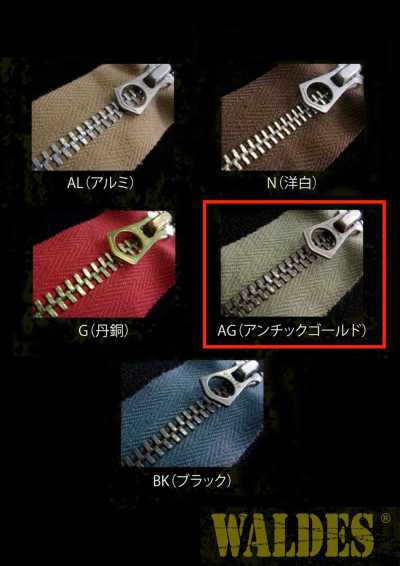
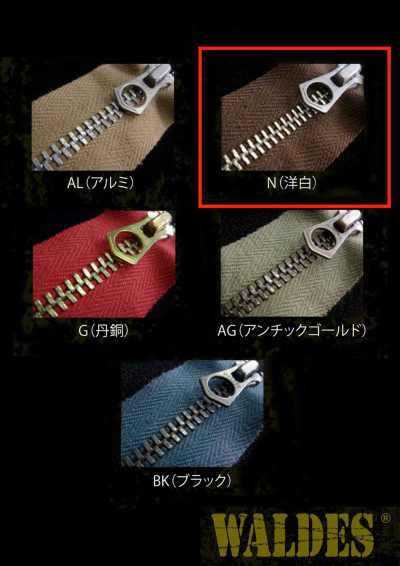
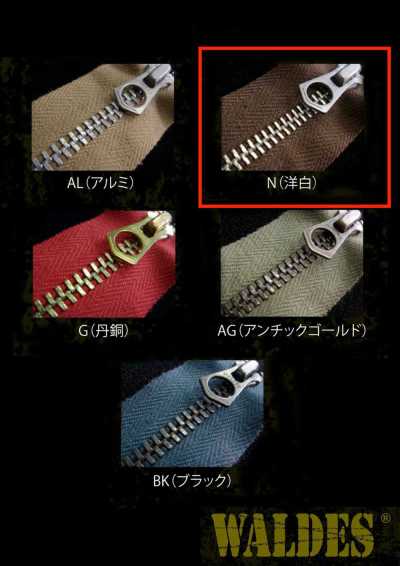
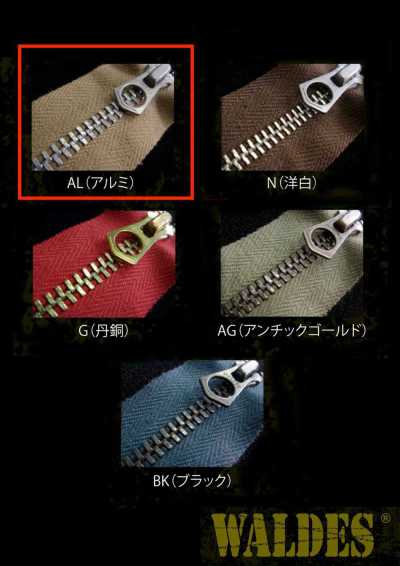
Contents6 sections
Definition and Overview
Fastener tape is the strip-shaped base fabric attached to both sides of a zipper. It holds the interlocking elements lined up in the center and is sewn to the seam allowance side at the tape edge so the opening can be opened and closed. In general, it is combined with the elements, slider, top stop, bottom stop, or separating device to form a zipper.
In some cases, the entire finished zipper is also called “fastener tape,” but strictly speaking, tape refers to the base fabric portion to which the elements are attached. In repair use or roll-shaped chains, the term may also refer to the continuous element portion with tape attached.
Structure and Components
The tape is made as a pair of left and right sides, and the elements are attached continuously along the inner edge. The slider engages and disengages the left and right elements to open and close the zipper. A top stop is provided at the upper end to prevent the slider from coming off, and a bottom stop or separating device that allows the left and right sides to separate is provided at the lower end.
The tape width, thickness, weave or knit structure, and the firmness of the element attachment area affect sewing ease and stability during opening and closing. The tape edge is often hidden by stitching, but in styles without facings or in bags it may be visible as part of the design.
- Elements: the parts that interlock to close the zipper.
- Slider: the component that opens and closes the elements.
- Top stop / bottom stop: components that restrict the travel range of the slider.
- Separating device: the lower-end component used to separate the left and right sides of an open zipper.
Types and Specifications
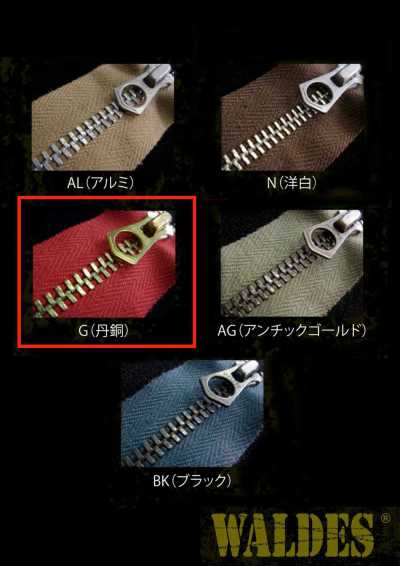
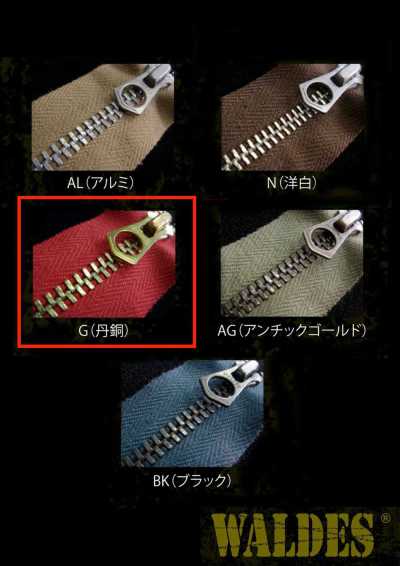
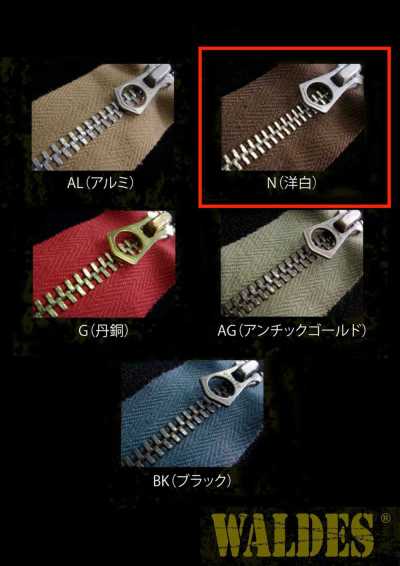
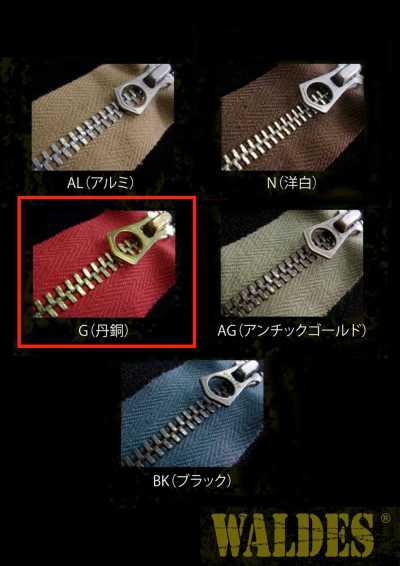
Depending on the type of elements, such as coil, molded plastic, or metal, zippers differ in appearance, flexibility, and sense of strength. The tape material and color also vary by product, so do not judge the properties of the tape by the element type alone; check the specification sheet or the actual item.
Element size is a specification indicating the size of the elements. As the size increases, the presence and strength of the opening become greater, but in thin or delicate garments, stiffness and weight may become noticeable. Specify the length, tape color, element color, and slider type as well.
Lower-end specifications include closed zippers, where the left and right sides are connected; open zippers, where they are separated by a separating device; and two way separator styles that can be opened from both the top and bottom. Roll-shaped chains can be cut to the required length, but the slider and stop attachment method must be confirmed separately.
Main Applications
In apparel, they are used for front openings of jackets and coats, fly fronts of pants, side or back openings of skirts and dresses, and pockets. Depending on the application, choose a style that is visible from the outside, hidden by facings or a flap, or less noticeable along the seam line.
In bags, pouches, cases, and similar items, they are used to open and close openings and pockets. For uses involving thicker materials or load-bearing applications compared with apparel, select with consideration for the number of openings and closings, load from contents, and reinforcement of the sewn area.
How to Choose and Precautions
When selecting, check the opening length of the application area, the thickness and stretch of the material, the required opening and closing performance, appearance, and washing or processing conditions. The zipper length is generally checked as the continuous element length from the top stop to the bottom stop, or from the top stop to the separating device. It may not match the total length from tape edge to tape edge.
During sewing, stitching while pulling the tape can cause waviness or poor opening and closing. Especially with stretchy fabrics, thin fabrics, and brushed materials, check seam slippage and catching through trial production. If the sewing needle or stitch position hits the elements, it can cause needle breakage or damage to the elements, so care is needed.
For products that undergo washing, garment dyeing, or garment washing, color change, shrinkage, changes in metal parts, and waviness of the tape may occur in the fabric and zipper. Before mass production, verify by testing the actual fabric, sewing specifications, and accessories together.
Frequently Asked Questions
Do fastener tape and zipper mean the same thing?
They are sometimes used with the same meaning in everyday language, but strictly speaking they are different. A zipper is the entire opening-and-closing device, including the elements, slider, stops, and tape. Fastener tape refers to the left and right strip-shaped parts that support the elements and are sewn to the product body.
Where is zipper length measured?
In many cases, it is measured with the zipper closed from the top stop to the bottom stop, or, for open styles, the continuous element section from the top stop to the separating device. Because it may differ from the total length including excess tape, confirm the dimensions shown for each product and the specifications of the stops or separating device when ordering.
What should be noted when sewing fastener tape to stretch material?
Because the fabric and tape stretch differently, sewing while stretching only the fabric can cause waviness or distortion of the opening. Consider whether reinforcement with fusible interlining or stretch tape is necessary, and confirm the opening and closing performance through trial production, including presser foot pressure, feed, and seam allowance specifications.