Toile
A toile is a three-dimensional sample made from sheeting or similar material before full production, used to check and revise the pattern shape, ease, silhouette, and sewing specifications.
Contents7 sections
Definition and Overview
A toile is a prototype that is temporarily sewn from a design sketch or pattern into a form close to the actual garment for verification. It is used to check and adjust three-dimensional balance, ease of wear, the positions of seam lines and darts, which are hard to grasp from a flat pattern alone.
In the process of shaping a garment through draping, the prototype assembled by placing fabric on a dress form may itself be called a toile. In some cases, the term also refers to a garment sewn from a pattern for verification, so usage varies by workplace.
Parts Used and Their Role
A toile is made to check the necessary parts that make up a product, such as the bodice, sleeves, collar, pants, and skirt. In particular, the shoulder area, armhole, neckline, sleeve setting, and crotch area are closely verified from both movement and appearance.
Designers, pattern makers, and sewing staff share the toile to align the design intent with sewability. Corrections are shown with pins or marks, and after they are reflected in the pattern, the process moves on to the next prototype or production sewing.
Materials and Types
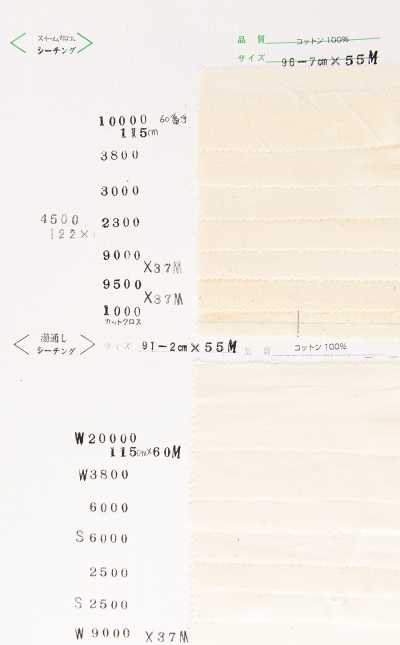
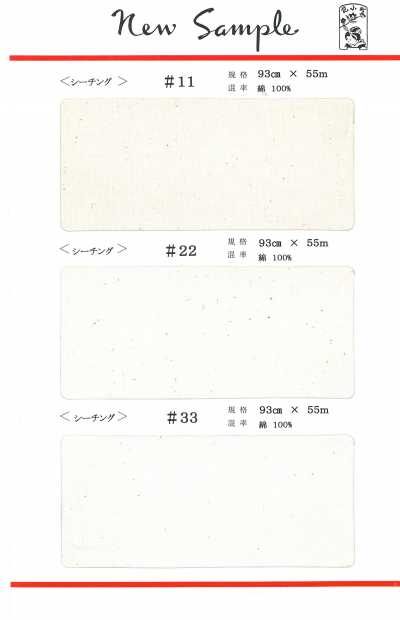
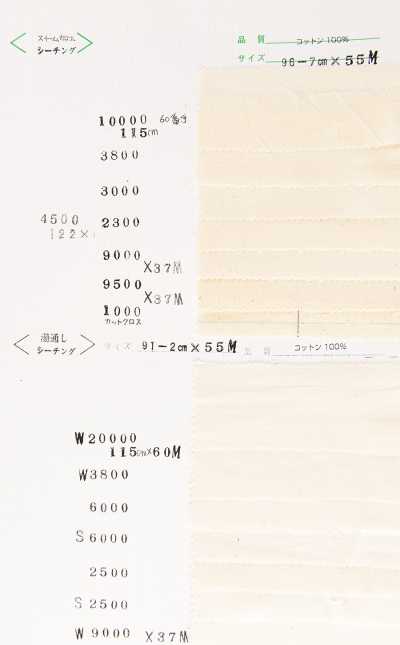
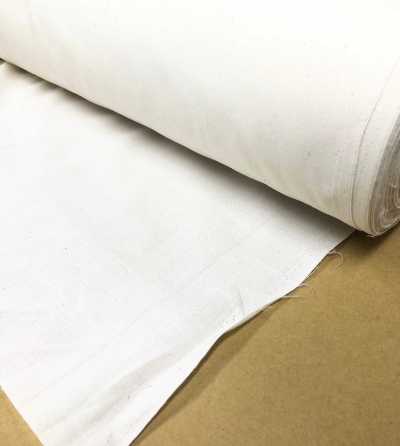
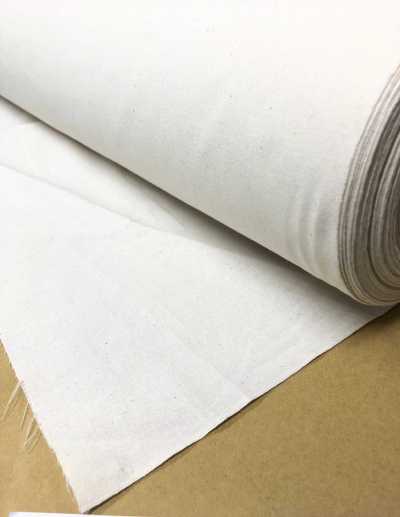
For toiles, plain sheeting that is easy to cut and sew and makes grain and silhouette easy to check is often used. Cotton material is common, but it is important to choose fabric with similar properties depending on the thickness, firmness, drape, and stretch of the product being checked.
For thin dresses and blouses, fabric close to lightness and sheerness is used. For thick jackets and coats, fabric close to thickness and firmness is used, making it easier to predict the finished impression. For knit products, verification with knitted fabric that has a similar stretch rate and recovery is necessary.
- For shape verification: Use easy-to-handle sheeting, etc., to check the positions of the pattern and details.
- For silhouette verification: Use fabric with thickness, drape, and stretch close to the main fabric.
- For sewing specification verification: Check the process and finish, including pockets, collar, openings, and interlining.
Main Applications
It is used for custom-made garments, collection production, and development of pre-production samples. Complex drapes, three-dimensional seam lines, special sleeves, and collars can be checked early to see whether the design is achievable through a toile.
Even when mass production is planned, finding hard-to-sew areas and specification issues through a toile helps reduce rework in later processes. It also serves as material for examining seam allowances, sewing order, and the need for interlining and other auxiliary materials.
How to Choose, Handle, and Sew
Select toile fabric according to the purpose of verification. If the main purpose is checking pattern dimensions, ease of handling can be prioritized; if judging the appearance of the final product, differences in material properties from the main fabric should be considered. Cutting with the grain properly aligned is also essential for accurately evaluating the silhouette.
For marking, make seam lines, notches, match points, grain, and part names clear so that revisions can be traced later. When temporarily securing areas with pins or basting thread, take care not to create deformation different from the finished seam, and if necessary, check using a method close to final sewing.
A toile is not a substitute for the main fabric. Drape, shrinkage, the behavior of seam allowances due to thickness, pattern matching, and compatibility with interlining are checked again with the main fabric. Whether the pattern reflects the corrections from the toile is managed together with the specification sheet.
Differences from Similar Terms
Muslin fitting often refers to the work of temporarily assembling a toile on a wearer or dress form and carrying out fitting and correction. Since toile refers to the prototype itself or the prototype stage, the two overlap but are not identical.
Sheeting is the fabric name mainly used for plain-woven cotton cloth. It is a representative material used for toiles, but sheeting itself does not mean toile. Also, a pattern is a paper pattern, and it is refined by reflecting the corrections obtained through the toile.
Frequently Asked Questions
Are toile and muslin fitting the same?
They are closely related, but strictly speaking they are different. A toile refers to a prototype made for verification, or the prototype stage itself. Muslin fitting often refers to the work of temporarily assembling that prototype, having it worn and fitted, and making adjustments.
Must toile always use sheeting?
Not necessarily. Sheeting, which is easy to handle, is often used when checking dimensions and structure, but for designs where drape, thickness, and stretch are important, fabric with properties close to the main fabric should be chosen.
What points should be checked in a toile?
In addition to the overall silhouette, check the grain, ease, mobility in the shoulders and sleeves, collar roll, and the positions of seam lines, darts, and pockets. When mass production is assumed, also check seam finishing, sewing order, and the finish when interlining is used.