Lot-to-lot Variation
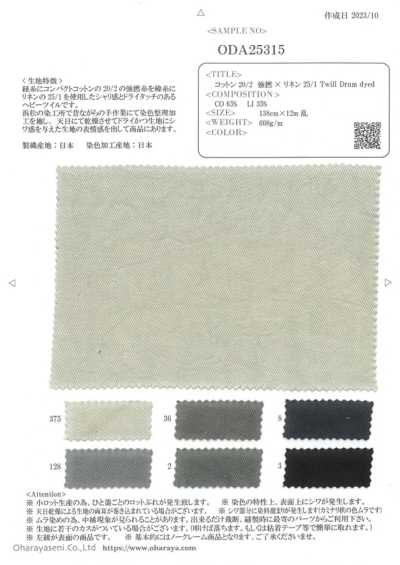
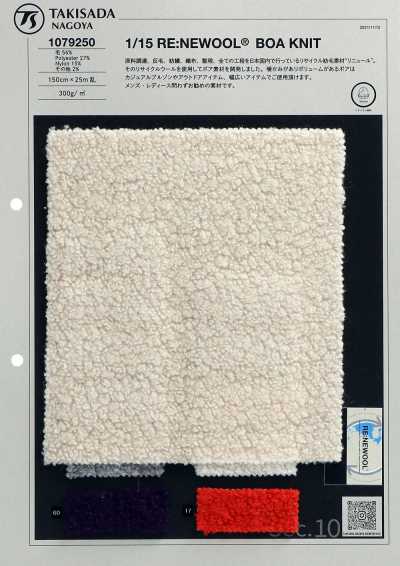
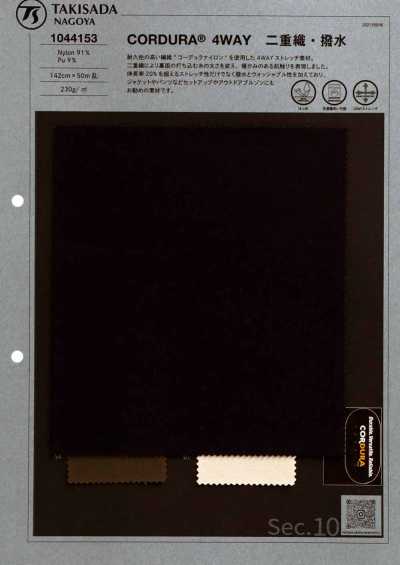
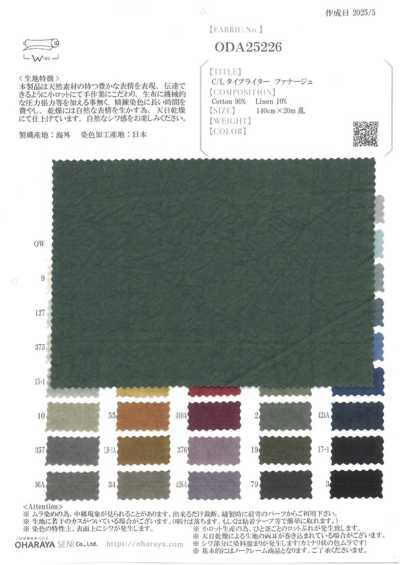
Lot-to-lot variation refers to differences in color, hand, width, thickness, and similar characteristics that occur in textiles with the same product number and specification because the manufacturing time or production lot differs.
Contents6 sections
Definition and overview
A lot is a production unit in which everything from raw material preparation through manufacturing, dyeing, and finishing is managed together under fixed conditions. Lot differences occur not only in textiles, but also in yarn, accessories, printed products, and more.
Even with the same product number, the condition of the raw materials, the mix of dyes and chemicals, temperature and humidity, and the settings of processing machines are not always exactly the same each time. As a result, differences may be seen between the sample or the earlier-delivered textile and the subsequent textile.
How they appear and main causes
The lot differences most often checked are hue, lightness and darkness, gloss, and texture. In addition, differences may appear in fabric width, fabric weight, thickness, stretch, brushed feel, and how patterns appear.
In yarn dyed fabrics, differences in how the yarn is dyed affect the appearance of the woven fabric, while in piece dyed fabrics, differences in dyeing and finishing conditions affect the overall color and texture of the textile. The way differences appear also varies depending on the blend ratio, structure, and processing details of the material.
- Color difference means a state in which brightness, vividness, or hue differs from the previous lot.
- Batch difference may refer to color differences arising from differences in production units such as dyeing cans or vats.
- Because the appearance of color can change depending on the light source, the lighting conditions used for inspection are also important.
Production control and impact on main applications
For a single garment or products displayed together in the same retail area, the plan is to use textile from the same lot wherever possible. If the body, collar, pockets, belt, and other parts are mixed with different lots, differences in color and texture may stand out.
For additional production, cutting for repairs, or special-order color runs, it may not be possible to secure the same lot as the first run. It is important to share the production plan at the time of ordering, allowing for cutting loss and future additional quantities in the required amount.
Selection and handling points
Before placing an order, check the actual sample and the mass-production textile under the same conditions, and agree on acceptable ranges for color, texture, width, and other factors among the parties involved. For color-critical coordinated products, also check combinations with contrast fabrics and accessories.
When rolls arrive, confirm the lot on the roll label or management slip, and separate them by lot before cutting. If multiple lots must be used, cut with appearance in mind, such as separating lots by product unit or avoiding switching within the same product.
Color fading, shrinkage, and texture changes from washing or cleaning are quality items separate from lot differences. However, because differences in finishing conditions can make post-wash appearance differences seem larger, pre-testing is recommended.
Differences from similar terms
Color difference refers specifically to differences in hue, brightness, and vividness. Lot difference is a broader concept that includes color difference as well as differences in width, fabric weight, texture, and physical properties.
Color fastness is the property that shows how little a color changes or transfers under friction, washing, sweat, light, and similar conditions. Lot difference, on the other hand, refers to differences in appearance and specifications between products made in different production units, so it is evaluated differently from color fastness.
Frequently asked questions
Can lot differences be eliminated completely?
Differences can be reduced by controlling production conditions, but complete elimination is difficult because raw materials and dyeing and finishing conditions vary. In practice, the basics are to use the same lot for the same product and secure the required quantity all at once.
Will an additional order have the same color as the first run?
Even with the same product number and color number, if the additional order is a different lot, the color and texture may differ from the first run. If additional production is likely, consider quantities that include future needs at the time of the initial order, and keep a sample for color matching.
Can multiple lots of textile be used in the same product?
Because differences in color and texture may stand out, mixed use within the same product should be judged carefully. If unavoidable, prioritize methods that separate lots by product unit, and check the appearance of the finished product, rather than using them only in less noticeable areas.