Body And Resilience
Body and resilience is a fabric hand that expresses the fabric’s resilience in trying to hold its shape and its firm feel, and is a property that affects garment three-dimensionality, silhouette, and tailoring appearance.
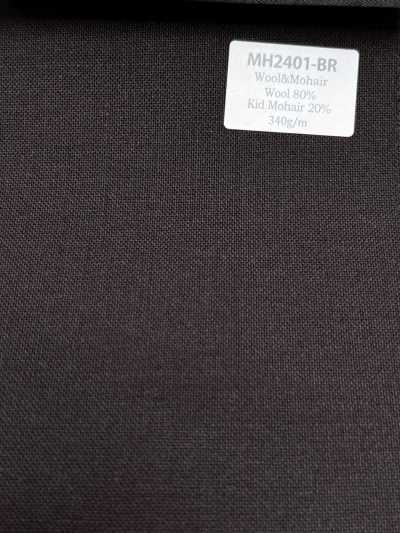
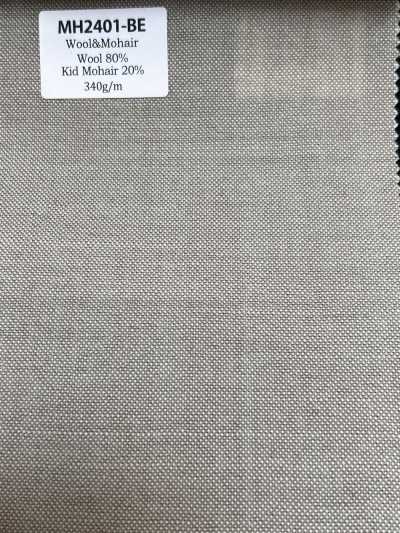
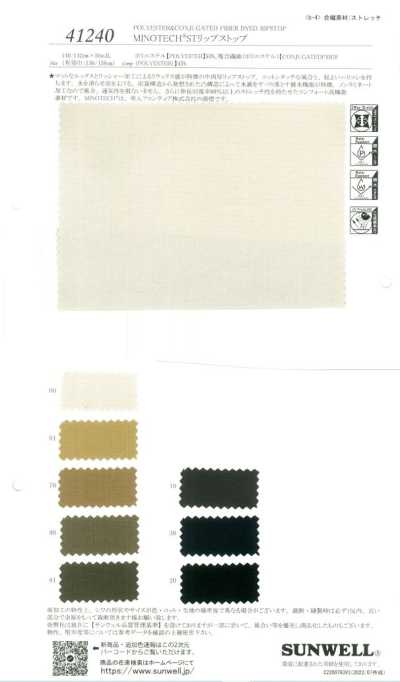
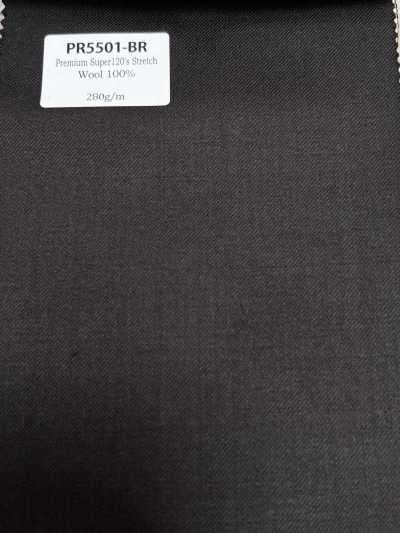
Contents6 sections
Definition and Overview
Firmness refers to a property in which the fabric resists bending and is easy to keep in a flat state or a three-dimensional shape. Resilience generally refers to the spring-back force felt when pressing or squeezing, and to a firm hand that is less likely to sag. The two terms are closely related and often written together.
Firmness and resilience are not material names or weave names, but an evaluation of hand feel that describes the tactile sensation and the behavior of the fabric. Even with the same material, the feel changes depending on yarn thickness and twist, weaving or knitting density, and finishing processes.
Effect on Hand Feel and Appearance
Fabrics with firmness and resilience tend to stay slightly away from the body and hold their shape, making designs such as collars, sleeves, tucks, and flares easier to show clearly. In knits, the surface may look even, and even casual materials can appear compact and neat.
However, greater firmness and resilience do not necessarily mean the fabric will feel stiff to wear. Some fabrics also have suppleness and stretch, so stiffness, thickness, weight, and drape should be checked separately. Drape is the property of a fabric to fall naturally, and it is sometimes treated as the opposite of firmness and resilience.
- Thick yarns and high-density structures are factors that can affect firmness and resilience.
- Strong-twist yarns can lead to a tight touch and a springy feel.
- Finishing such as resin treatment may change the surface feel and shape retention.
Main Applications and Seasons
In shirts and blouses, it helps the collar and placket stay neat, and in jackets, pants, and skirts, it helps create a defined silhouette. It is also selected for three-dimensional dresses, costumes, and stagewear for the purpose of showing the shape of the design.
In spring and summer, moderate firmness may be required to prevent cling to the skin even in lightweight fabrics and to create a cool-looking appearance. In autumn and winter, it is selected for outerwear and bottoms with sewing appearance and shape retention in mind. Season is judged not only by thickness, but also by breathability and how well the fabric stays away from the skin.
Selection and Handling Notes
When selecting, do not just bend the swatch by hand; check it under conditions close to the final product, such as hanging it, adding gathers or tucks, or applying interfacing. Fabric weight and density are useful references, but they do not by themselves determine firmness and resilience, so physical evaluation is important.
Fabrics containing natural fibers, or fabrics given hand feel through processing, may change in firmness and resilience due to washing, moisture, heat, and friction. Before mass production, carry out a washing test, check shrinkage, twisting, and changes in hand feel, and reflect the results in care labels and specifications.
Fabrics with strong firmness and resilience tend to make seam allowances and folds thicker, and may cause local floating or puckering. Adjust the needle, thread, stitch settings, and ironing temperature to suit the fabric, and if necessary, adjust seam allowance thickness.
Differences from Similar Terms
Hand feel is a term for an overall tactile sensation that includes hardness, softness, smoothness, fullness, and surface feel. Firmness and resilience are the elements related to the power to hold shape and the spring-back feel. Firmness is not the same as simply being thick or heavy.
Smooth crispness mainly refers to a dry, smooth touch, often from strong-twist yarns. It may be felt together with firmness and resilience, but smooth crispness emphasizes the surface touch, while firmness and resilience emphasize the fabric’s springiness and shape retention.
Frequently Asked Questions
Do firmness and resilience mean the same thing?
They are used in similar senses, and product descriptions often combine them as “firmness and resilience.” However, firmness may focus on resistance when bent and how easily shape appears, while resilience may focus on spring-back feel when pressed and resistance to sagging. Because they are evaluation terms, it is important to check the actual fabric.
Does fabric with firmness and resilience change after washing?
It may change. In particular, swelling and shrinkage of natural fibers, changes in finishing, and heat during drying can affect hand feel. Before productization, check shrinkage, appearance, and changes in stiffness and spring-back feel using the intended washing method, and consider shrink-resistant finishing or specification adjustments if needed.