Spun Silk Yarn
Spun silk yarn is a soft-textured silk spun yarn made by collecting short silk fibers produced during silk reeling and spinning them like cotton yarn.
Contents6 sections
Definition and Overview
Spun silk yarn is a spun yarn made by aligning short silk fibers and twisting them together, unlike raw silk, which takes continuous long filaments from cocoons. It is used for both woven fabrics and knits, and its appearance and performance vary depending on the fiber length of the raw material, spinning method, twist, and blended materials.
Spun silk is the name of a material and yarn, not a fabric structure name. Because it is made into fabrics such as plain weave, twill, and jersey, even when it is called "spun silk fabric," the actual structure and density must be checked separately.
Texture and Function
Compared with typical silk fabrics made with raw silk, which is a continuous long filament, spun silk yarn is characterized by restrained luster and a soft, plump hand. Short-fiber-derived fuzz tends to appear slightly on the surface, giving it a matte, natural look.
It makes good use of silk's moisture absorbency and release properties, and is also used for items that touch the skin. On the other hand, because the fibers are short, fuzzing and pilling may occur depending on friction conditions and yarn design. Its strength, wrinkle behavior, and luster are not the same as fabrics made with raw silk.
Main Applications
It is used for shirts, blouses, cut-and-sew tops, knits, cardigans, dresses, skirts, and scarves. It is suitable for clothing that calls for understated elegance and a soft appearance.
It is used in clothing for all seasons by taking advantage of its moisture absorbency and release properties, but the suitable season differs depending on fabric thickness and structure. Thin fabrics are used for spring and summer blouses, while brushed or thick knits and woven fabrics are used for autumn and winter knits and innerwear.
Selection and Handling Notes
When selecting it, check not only that it is spun silk yarn, but also the blend ratio, structure, fabric weight, density, twist, and finishing process. It is important to judge the surface fuzz, sheerness, drape, and dimensional change after washing by using not only fabric swatches but also wash testing.
Because fabrics containing silk may shrink or change texture when washed with water, set a washing care label appropriate for the product. In sewing, choose a fine needle and a thread that matches the fabric, and check needle holes, sewing shrinkage, and puckering in advance. Also consider preshrinking before cutting and hot-water treatment if necessary.
- In areas with a lot of friction, evaluate fuzzing and pilling.
- For dark-colored items and color-blocked items, check rub fastness and wash fastness.
- Whether home washing is possible should be judged including blended materials other than silk and any processing.
Differences from Similar Terms
Silk refers to the entire fiber material of silk. Spun silk yarn refers to yarn made by spinning that silk into short fibers. In contrast, raw silk is filament yarn made by using the continuous long filaments taken from cocoons as they are, or after twisting them.
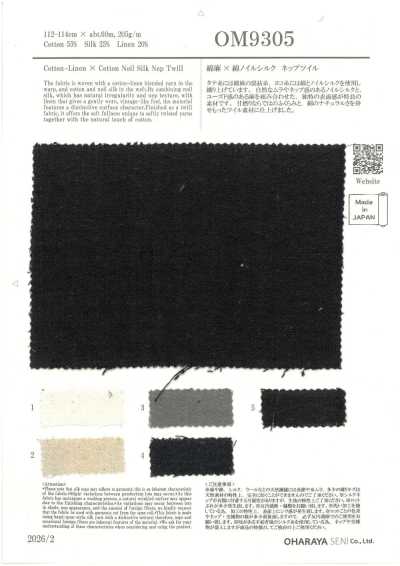
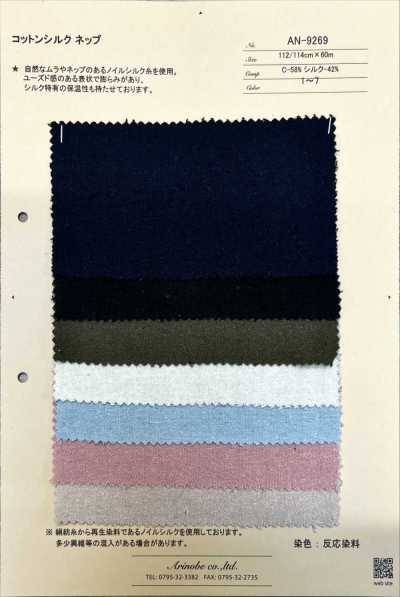
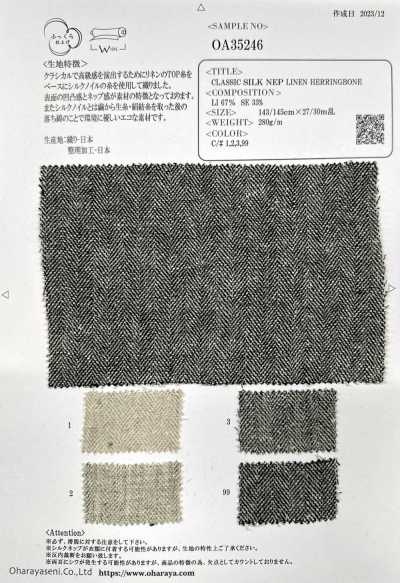
Tsumugi generally refers to fabrics or their texture made using yarns such as slub yarns, and it is not synonymous with spun silk yarn itself. Spun silk yarn can also be made to have nep or tsumugi-like character, but the raw material and manufacturing method must be confirmed in the specification sheet.
Frequently Asked Questions
What is the difference between spun silk yarn and raw silk?
Can spun silk yarn fabrics be washed at home?
Whether home washing is possible is not determined only by whether the fabric is spun silk yarn. Shrinkage and texture changes vary depending on the blend ratio, woven or knitted structure, dyeing and finishing processes, and the product shape. Based on the results of fabric testing, you need to follow the washing care label for each product.