Sleeve Head Wadding
Sleeve head wadding is a supplementary material inserted inside the sleeve head of jackets and similar garments to smooth out the seam allowance at the sleeve attachment area and create a natural roundness with a well-tailored appearance.
Contents7 sections
Definition and Overview
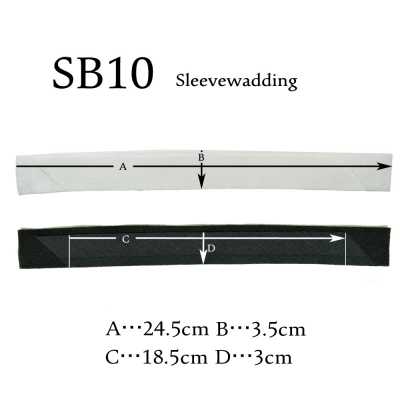
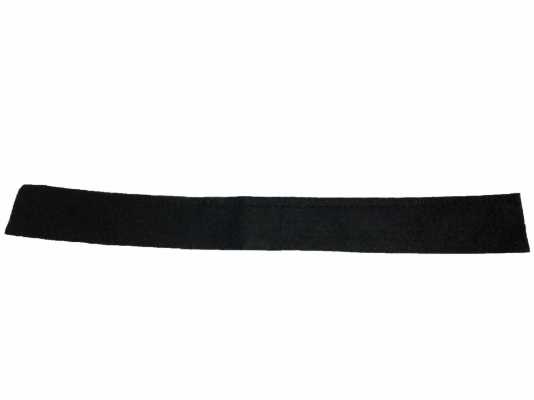
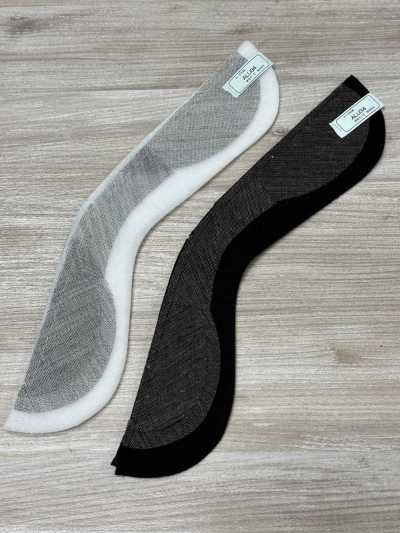
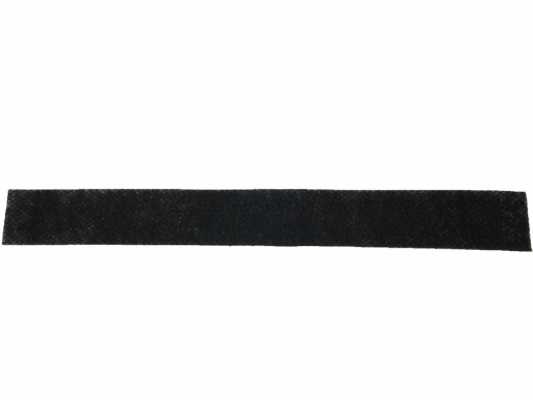
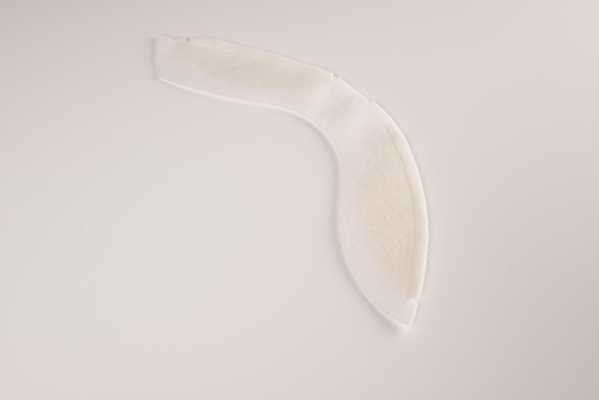
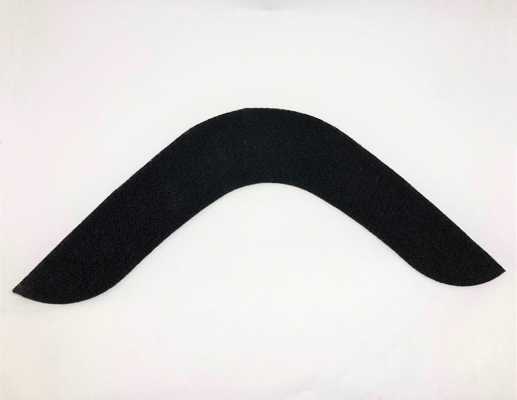
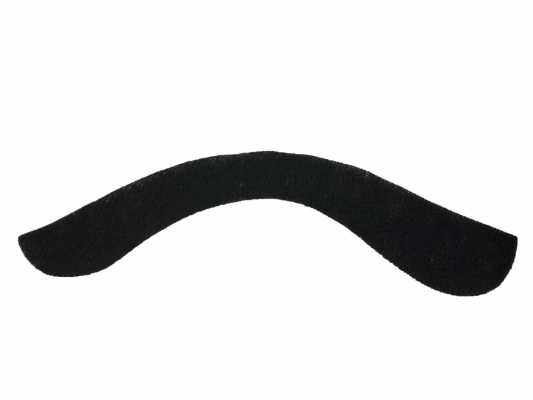
Sleeve head wadding is a narrow, wadding-like or felt-like auxiliary material placed on the inside from the sleeve cap to the shoulder tip. It softens the step and seam allowance show-through that tend to occur around the sleeve attachment line, and shapes the outline of the sleeve cap as seen from the outside fabric.
Although the name includes “wadding,” the raw material is not necessarily cotton. Depending on the material, thickness, resilience, and width, the fullness of the sleeve cap and the visual firmness will vary.
Placement and Role
It is mainly used on the inside of the sleeve cap of a set-in sleeve, along the seam allowance of the armhole. By placing it from the outer edge of the shoulder pad toward the sleeve side, it helps create a smooth transition from the shoulder to the sleeve cap.
The sleeve cap gathers fullness and seam allowance from easing. Sleeve head wadding covers these areas, suppresses their impression on the surface, and reduces sagging or unnatural angularity at the sleeve cap. However, it is not a material for greatly building up the sleeve cap shape itself.
Materials and Types
Sleeve head wadding may be made from fibers such as cotton, wool, and polyester, or formed into a nonwoven or felt-like sheet. Softer, thinner types tend to produce a more natural finish, while types with higher density and resilience tend to hold the outline better.
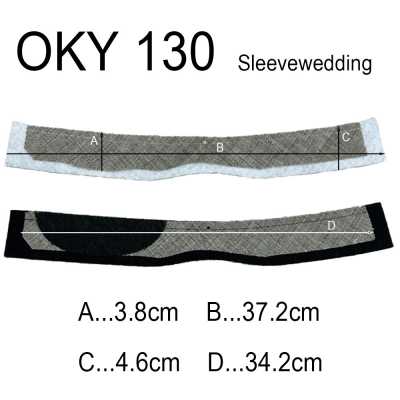
Width, thickness, and cross-sectional shape also differ by product. Types with thinner edges are less likely to create a step on the outer fabric, while thicker types support a more structured sleeve cap. Selection should consider the thickness of the outer fabric, the sleeve cap design, and the combination with the shoulder pad.
- Thin, flexible type: used for light garments and natural sleeve caps.
- Resilient type: supports the shape of sleeve caps in jackets and coats.
- Thin-edge type: designed to reduce show-through and steps on the outer fabric.
Main Applications
It is used in garments where a rounded sleeve cap and a neat appearance are important, such as tailored jackets, suits, coats, and uniforms. It is chosen not only when the outer fabric is crisp, but also when a soft outer fabric needs a clean-looking sleeve attachment line.
It is used in both women’s and men’s clothing, but the desired silhouette differs. In designs that emphasize a firm shoulder, it is often used together with a shoulder pad; in lighter tailoring, only thin sleeve head wadding may be used, or it may be omitted entirely.
How to Choose, Handle, and Sew It
When selecting it, check the thickness and stretch of the outer fabric, the amount of ease at the sleeve cap, the thickness of the shoulder pad, and the firmness required in the finished garment. Sleeve head wadding that is too thick can make the sleeve cap look unnaturally bulky, while one that is too thin may not adequately hide the seam allowance impression.
In sewing, align the left and right sides in position and length, and confirm the relationship with the highest point of the sleeve cap. Pulling the outer fabric tight to secure it can cause puckering or distortion, so spread the eased fullness evenly and check the appearance from the outside after basting.
It is important to check how it changes after washing or dry cleaning in combination with the outer fabric, interfacing, and shoulder pad. In particular, during processes involving heat or pressure, pay attention to crushing of the material, show-through on the outer fabric, and changes in appearance when fusible interlining is used.
Differences from Similar Terms
A shoulder pad is a material used to form the height, slope, and contour of the shoulder tip. Sleeve head wadding, on the other hand, is mainly used to shape the area continuing from the shoulder pad to the sleeve cap and to make the area around the sleeve attachment line appear smoother. The two are sometimes used together.
Haircloth interlining and fusible interlining are interfacings used to shape and support the overall garment, including the front panels, collar, and facings. Sleeve head wadding is a corrective material used only at the sleeve cap, and it differs from interfacing in that it is not intended to support a wide area.
Frequently Asked Questions
Are both sleeve head wadding and shoulder pads necessary?
Not always. When height or structure at the shoulder is desired, sleeve head wadding and a shoulder pad may be used together. In lightweight tailoring, only thin sleeve head wadding may be used, or both may be omitted, depending on the pattern and outer fabric.
What problems arise if sleeve head wadding is too thick?
If sleeve head wadding is too thick, the sleeve cap may become excessively bulky, or steps and show-through may appear on the outer fabric. The effect is especially noticeable on thin or drapey fabrics, so during prototyping, check the outer outline, sleeve mobility, and the transition with the shoulder pad.
Can sleeve head wadding be attached with adhesive?
Depending on the specification, there are types with adhesive processing and methods that use adhesive for temporary fixation, but sewing or hand-stitching are also used to secure the position. To avoid crushing from heat and pressure or show-through on the outer fabric, choose a fixing method suited to the material specification and sewing process.
- Search products for "sleeve head wadding"
- Products with material "Cotton"
- Products with material "Polyester"
- Products with material "Wool"
- Products for style "For Jackets/Suits"
- Products for style "For Outerwear/blousons/coats"
- Products for style "For Formal Wear"
- Products for style "For Uniforms/Workwear"
- Browse Sleeve Head Wadding products