Set In Pad
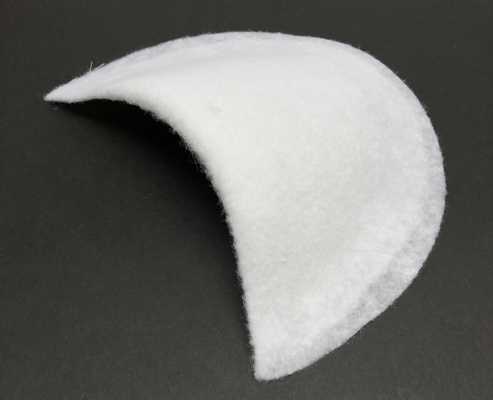
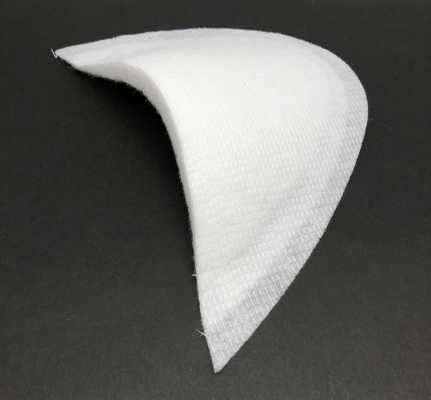
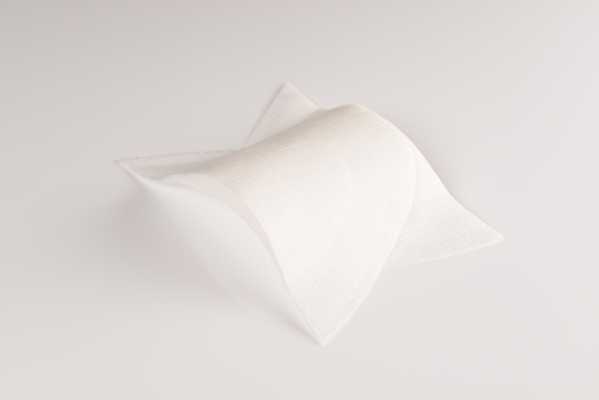
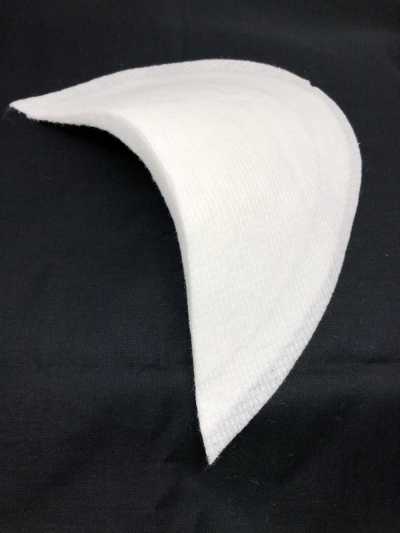
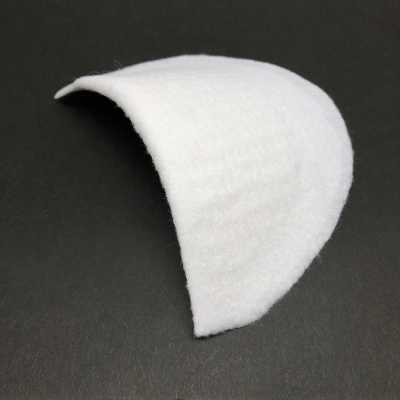
A set in pad is a shoulder pad inserted along the armhole from the shoulder point of a set-in sleeve to support the garment silhouette while shaping the shoulder.
Contents6 sections
Definition and Overview
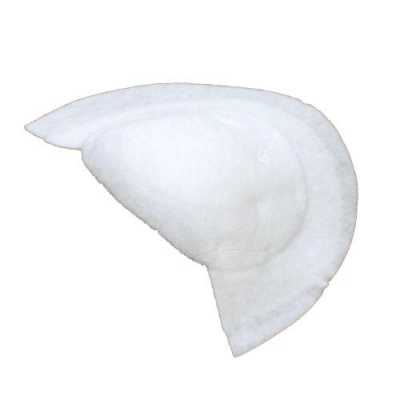
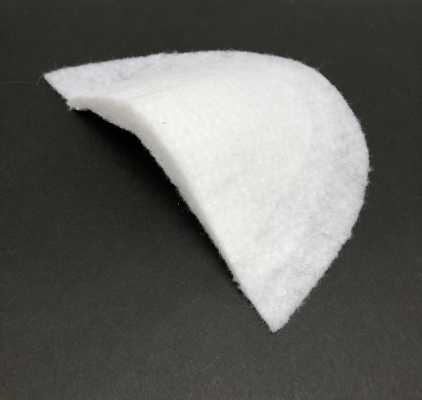
A set in pad is a shoulder pad for set-in sleeves that are sewn into the armhole of the body. It has a shape that gradually extends from the shoulder point toward the armhole side, adding fullness and roundness near the shoulder line and creating a three-dimensional shoulder area.
It may simply be called a shoulder pad, but the distinguishing feature of a set in pad is that its shape matches the sleeve attachment line of a set-in sleeve. It is used to follow the position where the sleeve is attached and the shoulder slope, helping to refine the appearance of the outer fabric.
Placement and Role
It is mainly used at the shoulder points of jackets, coats, and dresses, and is placed between the outer fabric and lining, or between the outer fabric and facing. It also helps refine the shoulder outline and make dips at the sleeve attachment and the effect of seam allowance less noticeable.
Depending on thickness and firmness, it can adjust the impression from a structured, tailored shoulder to a natural, soft shoulder. It is used not only to emphasize shoulder width, but also to maintain the shape of the shoulder area in thin or soft outer fabrics.
Materials and Types
The core material may be nonwoven fabric, fibrous batting, or foam, and many products have a nonwoven or knitted surface wrap. Lightness, resilience, ease of sewing, and suitability for washing or dry cleaning vary depending on the material composition.
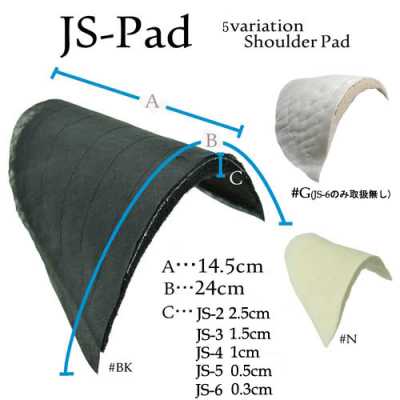
Shapes vary in shoulder-point thickness, projection toward the armhole side, and front-to-back thickness distribution. Choose according to the design and fabric thickness, from thin and natural types to thicker types and types that more easily emphasize the shoulder point.
- If the outer fabric is thin, consider a thin, smooth type that makes the outline or the show-through and impression of the core less noticeable.
- For heavy garments, check the resilience and shape stability needed to maintain the shoulder shape against the weight of the outer fabric.
- Because they are used as a pair, make sure not to mix up thickness, shape, or front and back orientation.
Main Applications
In tailored jackets and suits, they are used to refine the shoulder line and make the sleeve attachment look neat. They are also used in coats, uniforms, and formal wear, adjusting the presence and tailored look of the shoulder as needed.
In dresses and fashion-forward dresses, they may be used as an auxiliary material to create the shoulder-point form. On the other hand, garments that emphasize drape and softness may omit the pad or use an extremely thin one.
Selection and Sewing Notes
When selecting one, check the shoulder width, shoulder slope, armhole shape, outer fabric thickness and stretch, and whether there is a lining. If the pad is too large, it can easily protrude toward the armhole side; if too small, support at the shoulder point will be insufficient and the intended silhouette will be hard to achieve.
During sewing, align the center position and front-back orientation of the pad, and lightly secure it to the shoulder line and seam allowance of the armhole. If the outer fabric is pulled while sewing it on, puckering or steps may appear on the surface, so finish while checking the hanging balance.
A raglan shoulder pad is a shoulder pad that corresponds to the style line of a raglan sleeve, and the suitable sleeve structure differs from that of a set in pad. A covered shoulder pad refers to a decorative pad with its surface wrapped in the same fabric or similar material, and its intended use and visual effect differ.
Frequently Asked Questions
Can set in pads and raglan shoulder pads be used interchangeably?
As a rule, use the type that matches the sleeve structure. A set in pad is for set-in sleeves, where the sleeve is attached to the body armhole, while a raglan shoulder pad is designed to follow the raglan line running from the neckline to the underarm. Using them interchangeably can prevent the sleeve attachment line from fitting well and may cause pressure marks or distortion.
Which way should a set in pad be attached?
Because each product may have specific front-back or left-right instructions, check the labeling and specifications before placing it. In general, align it with the shoulder-point position and the curve on the armhole side, and attach left and right symmetrically. It is stable to sew it permanently after temporary basting and checking the shoulder line, sleeve attachment, and shoulder-point fullness from the outside.
Can set in pads be used in garments that can be washed?
Yes, but you need to confirm in advance both the garment washing method and the pad's wash resistance. Since the core material may collapse, wrinkle, or change shape after washing, it is important to conduct wash tests in combination with the outer fabric and lining for products intended for home washing.
- Browse Set In Pad products
- Browse Set-in Sleeve Pad products
- Products with material "Polyester"
- Products for style "For Jackets/Suits"
- Products for style "For Outerwear/blousons/coats"
- Products for style "For Formal Wear"
- Products for style "For Costumes/dresses"
- Products for style "For Uniforms/Workwear"
- Browse Shoulder Pads products