Sea Island Cotton
Sea Island Cotton is a type of extra-long staple cotton, mainly originating from the West Indies, and is characterized by a smooth texture, refined luster, and supple hand feel due to its long fibers.
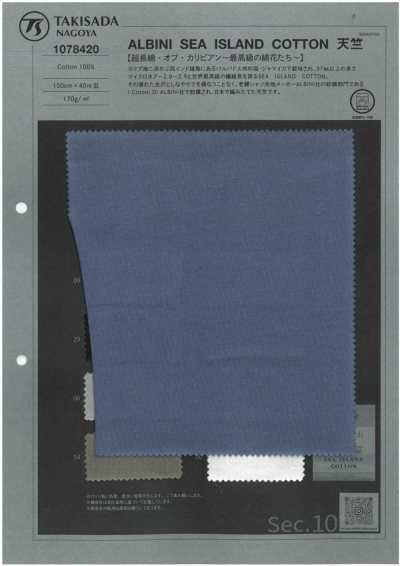
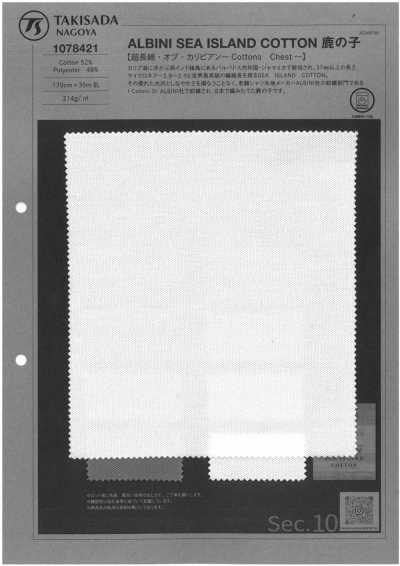
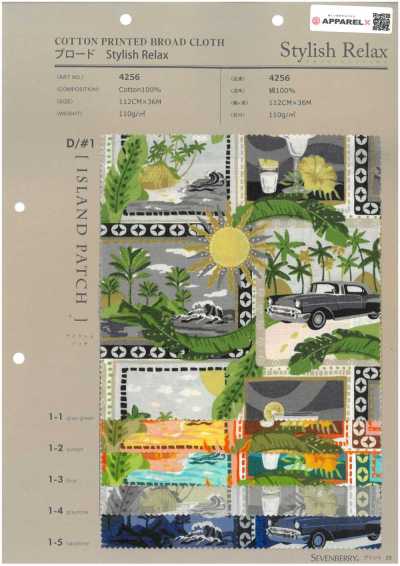
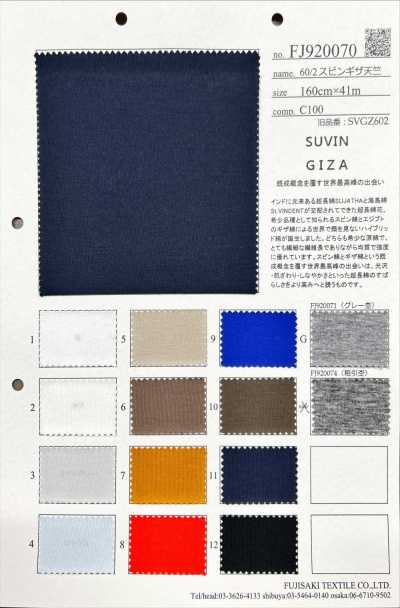
Contents6 sections
Definition and Overview
Sea Island cotton refers to a type of extra-long staple cotton generally originating from the West Indies. Extra-long staple cotton is a general term for cotton with long fibers, and Sea Island cotton is a raw material valued for its delicate texture created by its fine, long fibers. It is not a fabric construction name, but the name of a cotton raw material.
In distribution, the term may also be used to include varieties derived from Sea Island cotton and raw materials that make use of its characteristics. For this reason, it is important to confirm the origin of the raw cotton, blend ratio, spinning method, and other details individually in material specifications and specification sheets.
Texture and Appearance Characteristics
Raw materials with long, fine fibers tend to produce relatively less fuzz when made into yarn, and they are more likely to create a smooth touch and a natural sheen. They are also used for fine-count yarns, contributing to a refined surface and supple drape.
Because it is cotton, it has moisture absorption, but absorbency, quick-drying performance, strength, and luster vary depending on yarn twist, woven or knitted structure, fabric weight, and dyeing and finishing processes. It is necessary not to judge the performance of fabric or products uniformly from the name Sea Island cotton alone.
- Smooth, soft hand feel
- Natural, understated sheen
- A surface that tends to look relatively clean
- Often used for refined expressions in lightweight to medium-weight fabrics
Main Applications
Taking advantage of the characteristics of fine-count yarns, it is used in items that emphasize comfort and an elegant surface, such as shirts, blouses, cut-and-sew items, knits, underwear, and nightwear. In woven fabrics, it may be made into broadcloth, and in knits, into jersey.
It can be used as an all-season material, but thin, high-density fabrics are suitable for spring and summer garments, while softly knitted fabrics are suitable for innerwear used throughout the year. Actual seasonal suitability should be selected based on fabric thickness, structure, and finishing.
Selection and Handling Notes
During planning, confirm not only the Sea Island cotton usage statement, but also the cotton blend ratio, yarn count and twist, whether it is single yarn or plied yarn, fabric weight, and structure. Even when seeking luster or smoothness, confirm the balance with the required durability, sheerness, and sewing specifications through swatches and prototypes.
Cotton materials may shrink or change shape through washing. Check the fabric shrinkage test results and care label, and evaluate post-wash dimensions, twisting, and hand feel before mass production. In sewing, match the needle, thread, and feed settings to the fabric to prevent seam slippage and puckering when the fabric is thin and soft.
Differences from Similar Terms
Extra-long staple cotton is a general term indicating a category of cotton with long fibers, and Sea Island cotton is treated as one representative raw material name within that category. Pima cotton, Giza cotton, and Supima cotton are also known as extra-long staple cotton, but their production areas, varieties, hybridization, and trade names differ.
Organic cotton is a concept related to cultivation methods and certification, and is not a name that directly indicates fiber length or texture. Even for Sea Island cotton, the presence or absence of organic certification must be confirmed separately.
Frequently Asked Questions
Are Sea Island cotton and extra-long staple cotton the same?
Sea Island cotton is treated as one type of extra-long staple cotton, while extra-long staple cotton is the general term for cotton with long fibers. In addition to Sea Island cotton, extra-long staple cotton includes Pima cotton, Giza cotton, and Supima cotton. Confirm not only the raw material name, but also the blend ratio and yarn specifications.
Does Sea Island cotton fabric shrink when washed?
Cotton fabrics containing Sea Island cotton may shrink when washed. The degree of shrinkage varies depending on the fabric structure, yarn usage, whether shrink-resistant finishing has been applied, and the washing method. Before product development, conduct washing tests and reflect the shrinkage rate and appearance changes in the pattern after confirmation.
Is Sea Island cotton difficult to sew?
Sea Island cotton itself does not determine sewability, but thin, soft fabrics made with fine-count yarns may experience seam slippage or puckering. Before sewing, perform test stitching and set the needle and thread, thread tension, presser foot pressure, and feed conditions to suit the fabric.