Giza Cotton
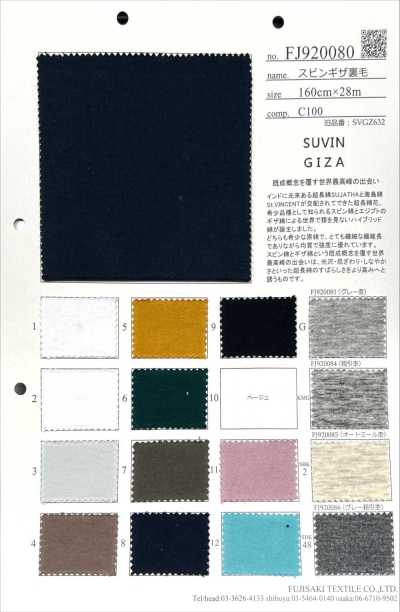
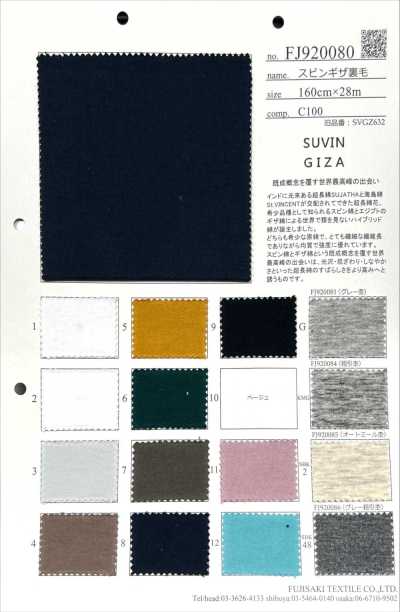
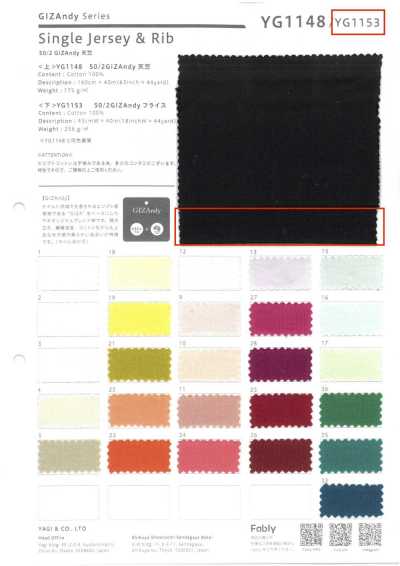
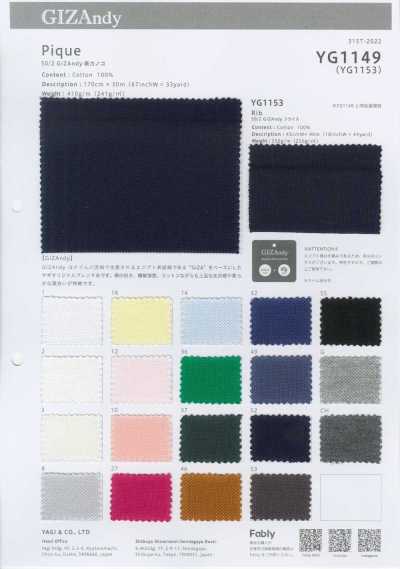
Giza cotton is cotton made from Giza-line cotton grown in Egypt, and is used for textiles and yarns with a smooth, lustrous finish that take advantage of its long staple length.
Contents6 sections
Definition and Overview
Giza cotton refers to cotton from the Giza lineage grown in Egypt. Many varieties have long staple lengths, and because it is easy to spin into fine yarns and low-lint yarns, it is used for apparel materials that emphasize a refined feel. It is not the name of a textile or weave structure, but a term for the raw cotton itself.
Egyptian cotton is a broad term for cotton produced in Egypt, and not all of it is Giza cotton. Also, Giza cotton varies in quality and texture depending on the variety, harvest year, spinning method, and blend ratio. In labels and specifications, it is important to check the details of the raw material.
Texture and Function
Yarns spun from long fibers are less prone to fuzz and tend to have a smooth surface. In high-density woven fabrics, they are more likely to produce a clear luster, and in knits, they can create a soft, well-structured surface feel.
It has the absorbency and moisture absorbency of cotton, but quick-drying performance, wrinkle resistance, and stretchability are not determined by the material name alone. The twist of the yarn, yarn count, knitting or weaving structure, density, and finishing all greatly affect firmness, drape, breathability, and ease of handling.
Main Applications
It is used for shirting, blouse fabric, dress shirts, cut-and-sew items, and innerwear made with fine-count yarns. In high-density gabardine and broadcloth, it may also be used for pants, skirts, dresses, and light apparel by taking advantage of its clean surface.
It can be designed in a wide range from lightweight to medium-weight fabrics, and is not limited to any particular season. For spring and summer, it is used in light woven or knitted fabrics with breathability in mind, and for year-round use, it is used in shirting, jersey, twill, and similar fabrics with moderate density and thickness.
How to Choose and Handling Notes
When selecting it, do not judge by the Giza cotton label alone; check the blend ratio, yarn count, single yarn or plied yarn, fabric weight, density, structure, and finish. Even with the same Giza cotton, products such as compact yarn, high-twist yarn, and brushed goods differ in luster, firmness, sheerness, and appearance after washing.
Cotton materials are prone to shrinkage when washed, and dark colors also require attention to color fading and color transfer. Before mass production, conduct washing tests on both the fabric and the finished product, and reflect the shrinkage rate in the pattern. Relaxing the fabric before cutting and straightening the grain also help ensure dimensional stability and sewing accuracy.
Fine-count, high-density fabrics may show needle holes and puckering more easily. Choose a sewing machine needle and sewing thread suitable for the fabric, and check for seam distortion. Sewing conditions, compatibility with interlining, and press marks should be verified in advance through prototypes.
Differences from Similar Terms
Extra-long staple cotton is a general term for cotton classified as having especially long fiber length. Some Giza cotton is treated as extra-long staple cotton, but the two are not synonymous. Understand Giza cotton mainly as a name related to specific Egyptian lineages, and extra-long staple cotton as a classification based on fiber length.
Pima cotton, Suvin cotton, and Sea Island cotton are also cottons characterized by long fibers, but their origins and varieties or lineages differ. When comparing them, it is necessary to evaluate not only the place of origin or name, but also the actual yarn or textile specifications in use, texture samples, and test data.
Frequently Asked Questions
Are Giza cotton and Egyptian cotton the same?
They are sometimes treated as the same, but strictly speaking they are different. Giza cotton refers to cotton from the Giza lineage grown in Egypt, while Egyptian cotton is a broad term for cotton produced in Egypt. When sourcing, check the material certificate, blend ratio, and the specifications of the yarn being used.
Does Giza cotton fabric shrink when washed?
Even fabric containing Giza cotton may shrink through washing and drying. The amount of shrinkage varies depending on the weave or knit structure, density, dyeing and finishing, and whether shrink-resistant treatment has been applied. In product planning, confirm the fabric shrinkage rate and, if necessary, perform pre-washing or pre-production tests.
Is Giza cotton difficult to sew?
In fabrics made with fine-count yarns and a smooth surface, needle holes, seam distortion, and puckering may stand out. Set the needle, thread, and feed conditions to suit the thickness and density of the fabric, and test-sew before production. High-density products also require attention to shifting during cutting.