Reactive Dye
Reactive dyes are dyes that chemically bond with the components of fibers to form coloration, and are mainly used for dyeing cellulose-based fibers such as cotton, linen, and rayon.
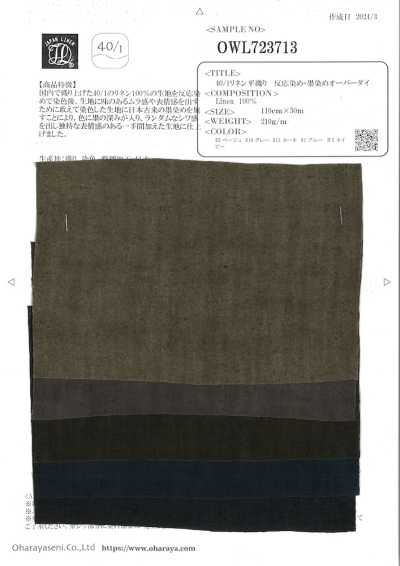
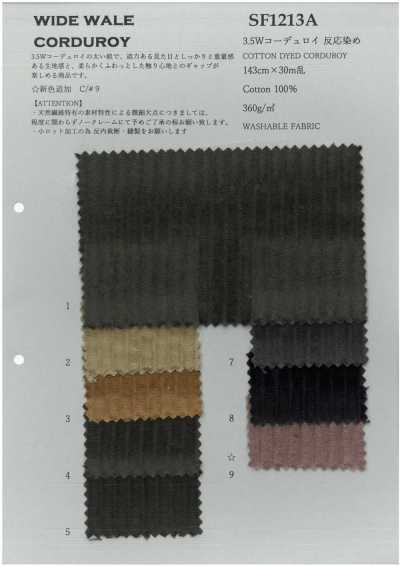
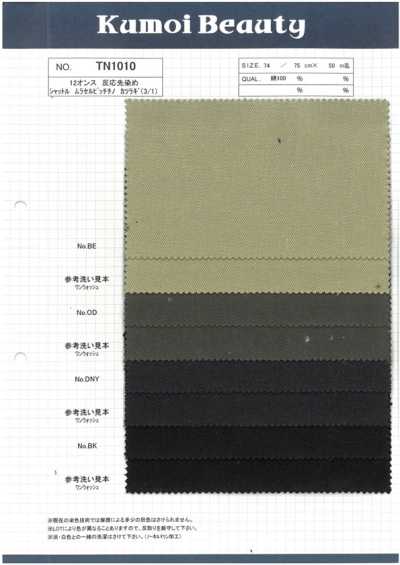
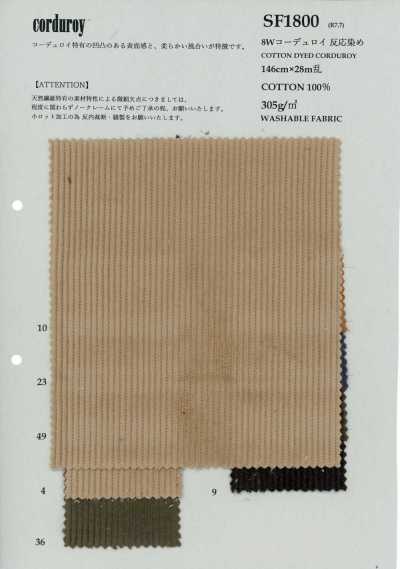
Contents5 sections
Definition and Overview
Reactive dyes are dyes that use the property of reactive groups in dye molecules to bond with fibers. They are widely used especially on materials composed mainly of cellulose, such as cotton, linen, rayon, and lyocell. Depending on the material and dye type, they are also used for silk and wool.
In dyeing, the dye is allowed to penetrate and adsorb into the fiber, then fixed under conditions such as alkalinity. After that, thorough washing and soaping to remove dye that has not bonded to the fiber is important for color stability.
Features
Because they bond within the fiber to produce color, they can express a wide range from transparent, vivid colors to deep dark shades, and they tend not to significantly impair the material's original texture or water absorbency. The gloss, stiffness, and drape of the textile are affected not only by the dye but also by the material, weave, pre-treatment, and finishing process.
Textiles that are properly dyed and washed tend to be relatively stable in laundering, but fastness varies depending on hue, depth, and dyeing conditions. In particular, dark colors require confirmation based on the intended applications regarding wet rubbing, sweat, and color transfer during washing.
- They are often used on cellulosic fibers.
- The dyeing mechanism differs from dyeing that fixes pigment to the surface with resin.
- They differ from disperse dyes, which are often used for polyester, in the main fiber they target.
Main Applications
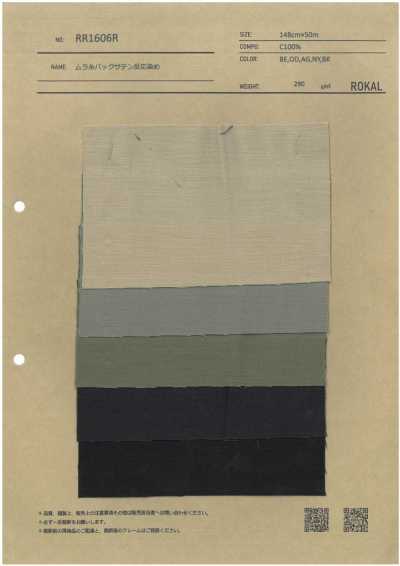
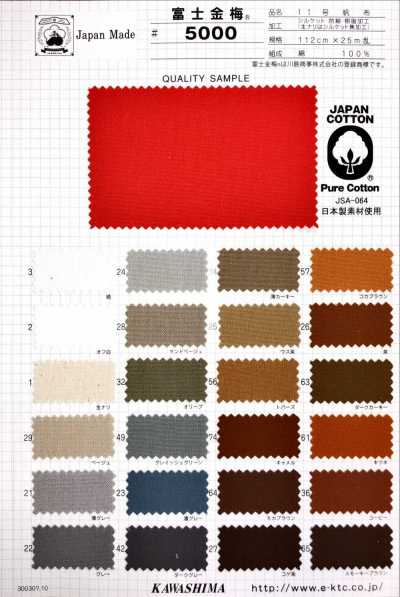
Cellulosic textiles dyed with reactive dyes are used for shirts, blouses, T-shirts, cut-and-sew items, dresses, skirts, pants, underwear, and fashion accessories. There is a choice of materials from lightweight to heavyweight, and they are used mainly for spring and summer items as well as year-round apparel.
When deciding on applications, confirm not only that the dye is a reactive dye, but also the textile weave, fabric weight, stretch, finish, and required fastness. For products combined with white items, and apparel that is likely to be exposed to sweat or friction, evaluate the risk of color transfer in advance.
Selection and Handling Precautions
When selecting a textile, confirm the compatibility of the material blend ratio and dyeing method. In blends and union fabrics with polyester and other fibers, reactive dyes alone cannot dye all fibers in the same way, so the appearance of color and fastness may differ from single-material items. It is important to check the color and quality with samples.
Shrinkage is affected not so much by the reactive dye itself as by the swelling of the material, the knit or weave structure, finishing, and washing conditions. Before cutting and sewing, carry out boiling-off treatment or test washing as needed, and check the shrinkage rate and skew. For dark textiles, also check for color transfer from moisture or iron steam during sewing.
When washing, follow the care label. For dark items, it is safer to wash them separately or with similar colors. Long soaking, strong friction, and stacking while wet can cause color transfer. Also check the color compatibility of sewing thread, interlining, tape, and other materials against washing and friction.
Frequently Asked Questions
What is the difference between reactive dyes and disperse dyes?
Does fabric dyed with reactive dyes shrink when washed?
The main causes of shrinkage are the properties of the fiber, the knit or weave structure, finishing, and washing conditions. The shrinkage rate is not determined by the fact that it is a reactive dye. Before productization, test wash the textile and check the vertical and horizontal shrinkage rates and skew, then reflect them in the pattern and material consumption.
What should be noted for dark reactive-dyed textiles?
Dark colors may transfer to other items when rubbed while wet, or due to sweat or washing. Confirm the textile's washing fastness and rubbing fastness according to the intended applications, and also test in advance for color transfer caused by moisture during sewing and pressing, as well as contact with white auxiliary materials.