Ramie
Ramie is a plant fiber made from boehmeria, a perennial herb in the nettle family. It is used in spring and summer woven fabrics and other items, taking advantage of its firm resilience, luster, and cool, crisp feel.
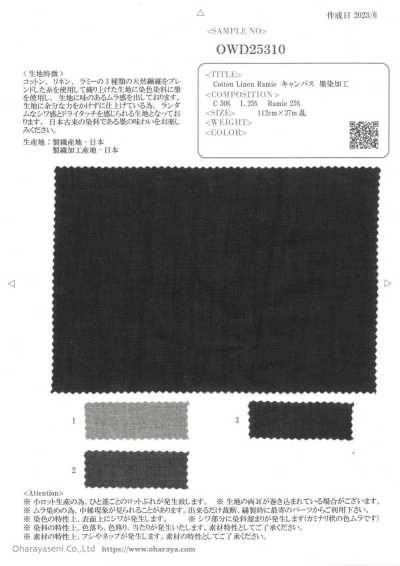
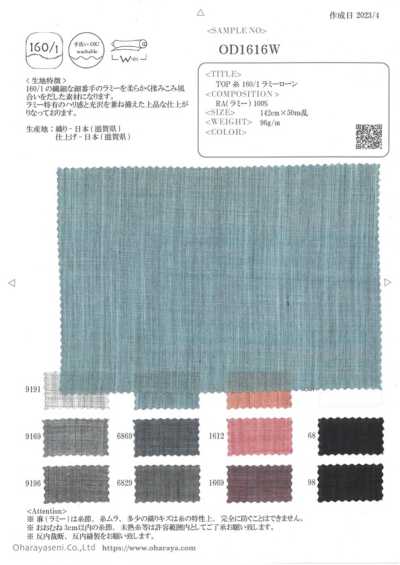
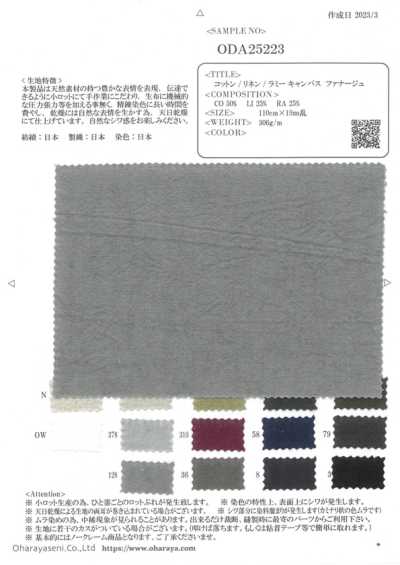
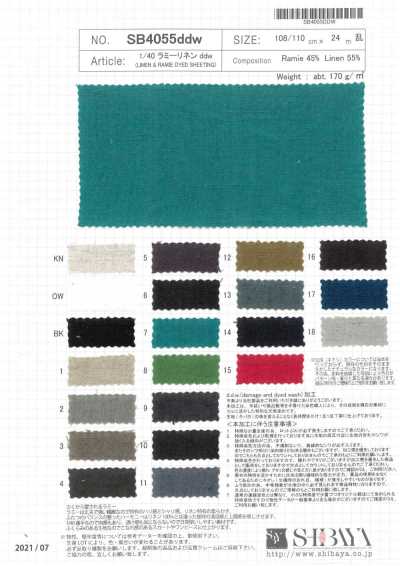
Contents6 sections
Definition and Overview
Ramie is a bast fiber harvested from the stems of ramie. Bast fiber refers to fiber obtained from the part close to the epidermis of a plant stem. It is used on its own, and is also blended or union-woven with cotton, linen, rayon, and others to adjust the texture and ease of handling of the textile.
Ramie is a material name, not a weave or textile name. Its thickness, sheerness, and appearance vary depending on the construction, such as plain weave or twill weave. When selecting a product, it is important to check not only the ramie blend ratio, but also the construction, fabric weight, and finishing.
Characteristics
This material has firmness and resilience, and tends to feel relatively stiff and smooth. It readily shows a whitish, bright luster, and there are textiles that make use of natural nubs and an uneven appearance. By taking advantage of its absorbency and breathability, it can create a light, cool impression suited to hot seasons.
On the other hand, since its stretch and elastic recovery are not high, wrinkles from wear and washing tend to remain. In thin fabrics, sheerness, and in dark colors, whitening caused by wrinkles also requires attention. Depending on the blended material and resin finishing, stiffness, wrinkling, and drape can change significantly.
Main Applications
Using its cool feel, firmness, and luster, it is used for spring and summer shirts, blouses, dresses, skirts, pants, and jackets for light clothing. Thin fabrics are suitable for layered garments that use sheerness, while slightly thicker fabrics are suitable for items that aim to create a structured silhouette.
100% ramie tends to show the material character clearly, cotton blends are used to adjust the feel against the skin and casualness, and blends with rayon and others are used to add drape. For the intended application, check the required opacity, wrinkle appearance, and sewability with the actual textile.
Selection and Handling Notes
Shrinkage and changes in texture from washing differ depending on the textile blend ratio, dyeing, finishing, and construction. Before mass production, perform a test wash according to the care tag and check shrinkage rate, wrinkles, color transfer, and seam puckering. Whether to perform rinsing or straightening before cutting should be judged according to the textile specifications and sewing conditions.
In sewing, if the textile is stiff and loosely woven, seam puckering and seam slippage may occur. Match the needle, thread, stitch density, and presser foot pressure to the textile, and also check in advance for fraying at the edges. During storage, avoid leaving strong fold lines for long periods.
Differences from Similar Terms
Linen is a bast fiber made from flax, and its raw material differs from ramie, which is made from ramie plant. Both are treated as spring and summer materials, but ramie is generally seen as having stronger firmness and luster, while linen is often considered to have a softer, more natural appearance. However, because differences due to textile design and finishing are also large, do not judge by the material name alone.
Hemp is also a plant-derived bast fiber, but the source plant is different. Also, even when ramie is written as "linen," the linen used as an apparel material can refer to multiple plant fibers. In specifications and care tags, check the fiber name and blend ratio to avoid confusion.
FAQ
Are ramie and linen the same material?
No, they are not the same material. Ramie is a different bast fiber made from ramie plant, while linen is made from flax. Both are cool-looking natural materials, but ramie generally tends to have more firmness and luster, while linen tends to have a softer appearance. The actual texture should be compared together with the construction and finishing.
Does ramie textile shrink when washed?
It may shrink. The degree of shrinkage varies depending on the ramie blend ratio, weave density, finishing, and washing and drying conditions. Before productization, conduct a test wash under the intended washing conditions, and reflect not only the shrinkage rate but also wrinkles, twisting, and color changes in the pattern and specifications.
What should be considered when sewing ramie textile?
With firm thin fabrics and loosely woven textiles, pay attention to seam slippage, puckering, needle holes, and fraying at the edges. Before full production, adjust the needle and thread count, stitch density, and presser foot pressure, and perform trial sewing. If the fabric edges are easy to shift after cutting, also consider how to handle and finish them.