Button Loop
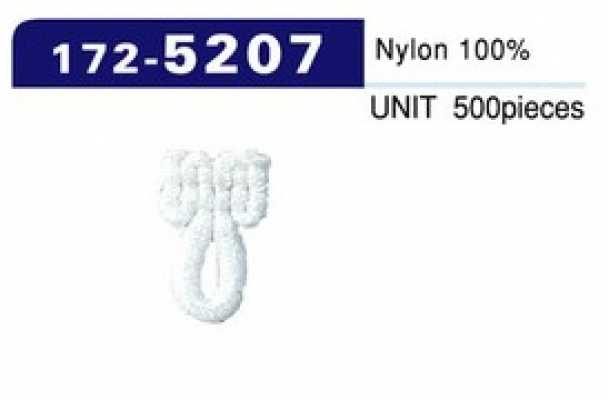
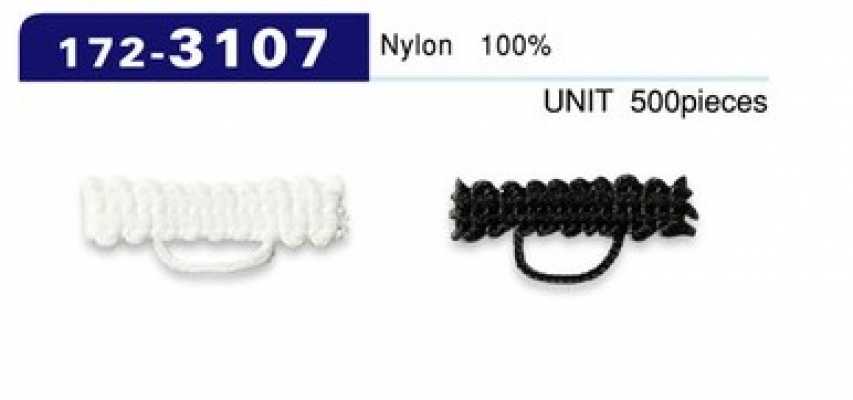
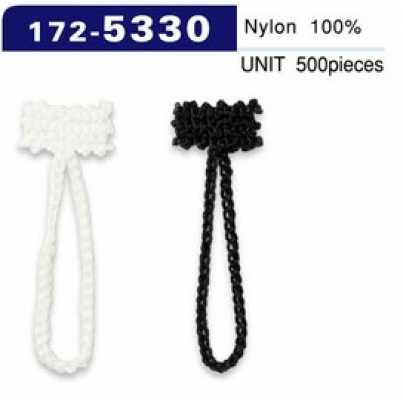
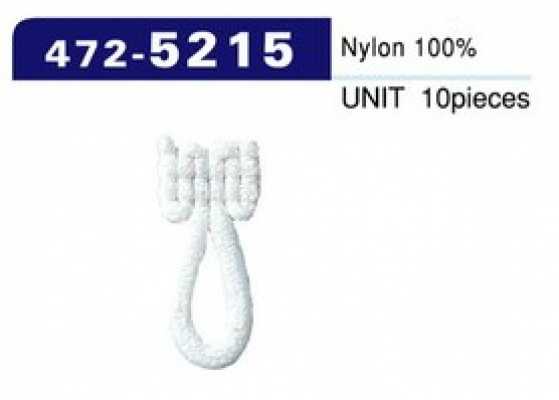
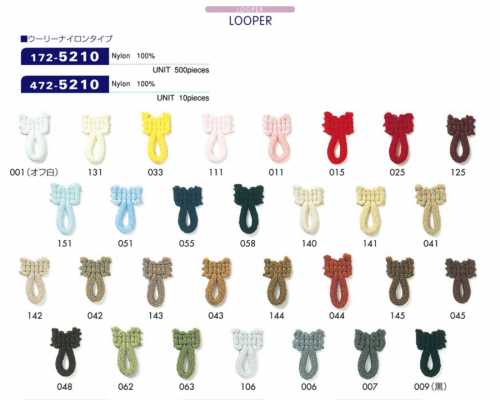
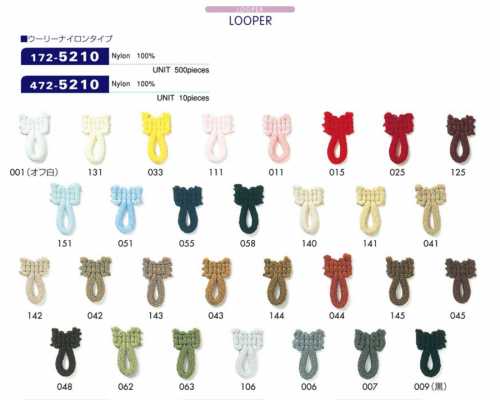
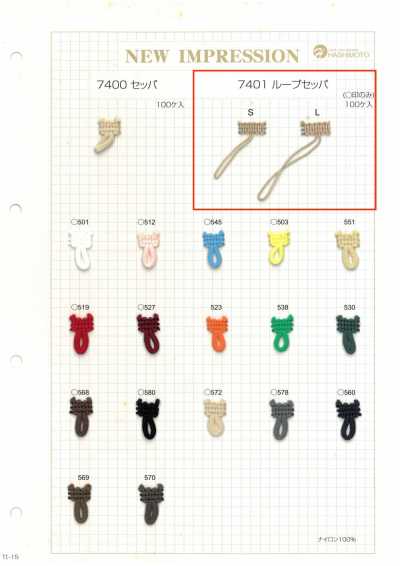
A button loop is a notion made by sewing cord, cord, or self-fabric into a loop and used for fastening buttons or hanging garments.
Contents6 sections
Definition and Overview
A button loop is a loop-shaped part made from thin cord, cord, tape, or self-fabric. It is mainly used as the loop that receives a button, and is used for thin fabrics where buttonholes are difficult to make, designs that emphasize decoration, and constructions that create an opening at the edge.
In garment specifications and the distribution of accessory materials, a finished loop-shaped part may be called a button loop. On the other hand, because names such as loop and button loop are also used depending on the workplace or trading partner, it is important to confirm by listing both the shape and the part where it is used.
Parts Used and Function
For button fastening, it is attached to the back opening, neckline, cuffs, sleeve cuffs, or center back of a one-piece dress. Since the button is passed through the loop to keep the opening closed, it gives a softer appearance than a buttonhole and is easier to use with small, continuous buttons.
When used as a hanger loop, it is sewn to the inside of the back neckline of coats, jackets, and similar items. It serves as an aid for hanging the garment on a hook, but for heavy products, do not place the load on the button loop alone; check the attachment strength and how it is treated on labels.
Materials and Types
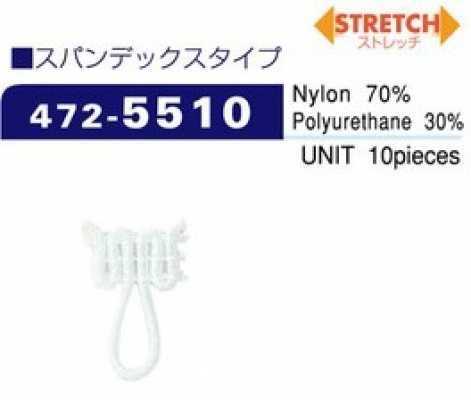
Materials include polyester or nylon cord or tape, as well as rayon, cotton, silk-like braided cord, and items made by narrowing self-fabric. Depending on the material, thickness, surface gloss, and firmness, the ease of passing the button through and the overall impression of the product will change.
Shapes are divided into round cord loops, flat tape loops, and narrow self-fabric loops. Round button loops tend to create more dimensionality, while flat button loops tend to reduce the thickness at the sewn-in section.
- Cord button loop: a type made by forming round cord or braided cord into a loop.
- Tape button loop: a type made by forming woven tape or similar material into a loop.
- Self-fabric button loop: a type made by sewing the outer fabric or a separate fabric into a narrow strip.
Main Applications
In blouses, shirts, one-piece dresses, and dresses, they are used for fastening buttons at the back opening or neckline. In formal wear and costumes, they are sometimes used in combination with covered buttons as a design that does not show a slit for the buttonhole on the front side.
In jackets, coats, cardigans, and similar items, they are used as an auxiliary fastening at the neckline or front opening, or as a hanger loop. Because the required strength varies depending on the application, distinguish whether it is for decoration, opening and closing, or hanging when selecting it.
Selection and Sewing Notes
For button fastening, choose an inner diameter suited to the thickness and diameter of the button so that the button passes through without strain and is not likely to come undone during wear. If the loop is too large, it will come undone easily; if it is too small, opening and closing becomes difficult, so confirm it with a sample made using the actual button.
The sewn-in section is often caught into the opening edge or facing, and the left and right positions, loop projection length, and direction must be aligned. In thin fabrics and stretchy fabrics, use interfacing or stay tape in the seam allowance to reduce seam distortion and fabric stretching caused by tension.
Button loop may sometimes be treated in the same category as frog button, but the name used and the shape it refers to can vary by trading partner or region. When ordering, do not judge by the name alone; share whether it is cord or tape, the inner diameter of the loop, the overall length, and the attachment position through the specification sheet or actual sample.
Frequently Asked Questions
What is the difference between a button loop and a buttonhole?
A button loop is a part made by forming cord, tape, or similar material into a loop to receive a button. A buttonhole refers to an opening made in the fabric with stitching or similar methods. Button loops can reduce stress on thin fabrics and add a decorative look to the neckline or back opening.
How do you decide the length of a button loop?
It is determined so that the inner diameter is sufficient for the button to pass through, while still being the right length to avoid coming undone during wear. Not only the button diameter, but also the thickness, the thickness and stretch of the button loop, and the thickness of the outer fabric all affect it, so it is important to confirm by making a sample using the actual fabric and production button.
Can button loops be used on garments that are machine washable at home?
Yes, but check each material for possible shrinkage, fraying, distortion, and color transfer caused by washing. In particular, glossy cords and self-fabric loops require attention to differences in shrinkage from the outer fabric. Carry out washing tests on the finished product, including sewn-in strength.
- Search products for "button loop"
- Products with material "Polyester"
- Products with material "Nylon"
- Products for style "For Shirts/blouses"
- Products for style "For Skirts And Dresses"
- Products for style "For Formal Wear"
- Products for style "For Outerwear/blousons/coats"
- Products for style "For Costumes/dresses"
- Browse Button Loop・frog Button products