Habutai
Habutai is a thin woven fabric with a smooth, soft sheen, based on a plain weave using fine yarn.
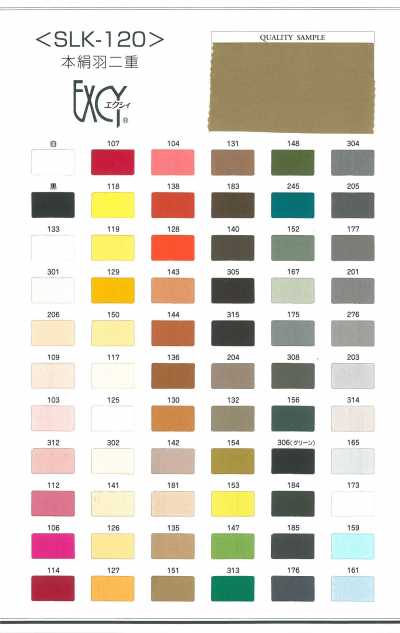
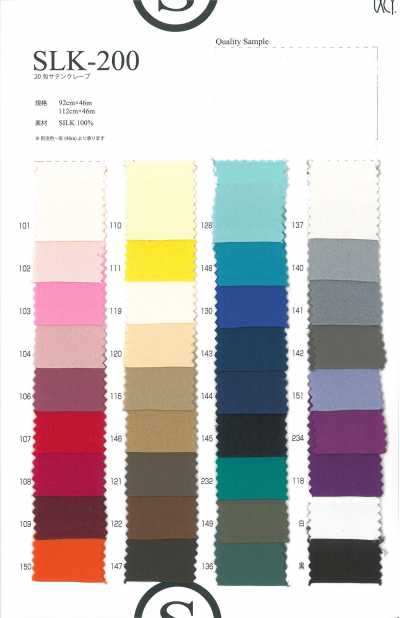
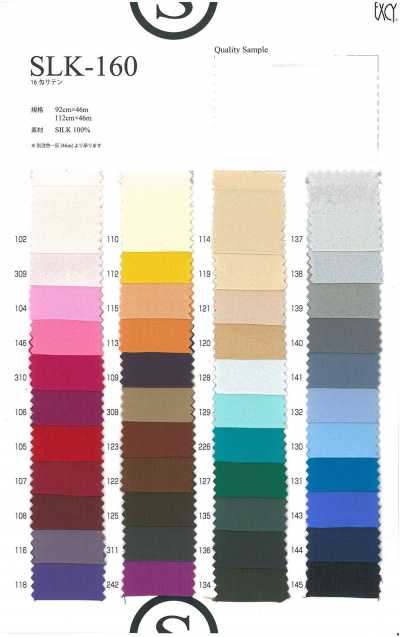
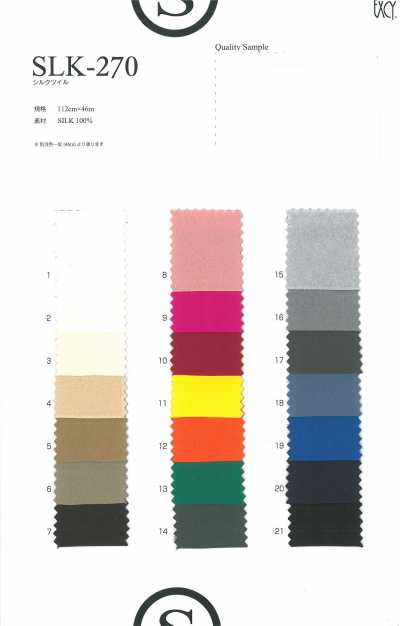
Contents6 sections
Definition and Overview
Habutai is a lightweight plain-weave textile originally woven with silk yarn. Although it uses plain weave, in which warp and weft yarns are interlaced alternately, weaving fine yarns relatively densely gives it a smooth, even surface texture.
Today, in addition to silk versions, textiles made from polyester and other materials that are intended to resemble silk habutai in appearance and applications are also called habutai. For that reason, when ordering, it is important to check the blend ratio, weave density, and finishing.
Texture and Functions
It is thin and lightweight, with a soft, supple drape. Silk habutai is characterized by an elegant, understated luster, a smooth hand, and moisture absorption and release. Depending on yarn thickness and density, the sheerness, firmness, and appearance of the luster will vary.
Because it is thin and has a smooth surface, using it as a lining helps clothing slide on and off more easily. On the other hand, thin product numbers require care to avoid friction and snagging. Lighter colors are more likely to be sheer, so when using it as an outer textile, consider layering and whether a lining is needed.
- Luster: It is not as strong as satin weave, and tends to have a refined sheen.
- Hand feel: Fine yarn gives it a smooth, soft feel.
- Drape: It has a graceful fall and is suited to gathers and relaxed shapes.
- Sheerness: Thinner textiles are more likely to be sheer, so specifications should be designed according to color and applications.
Main Applications
Silk habutai is used for Japanese clothing textiles and linings, as well as blouses, scarves, formal wear, costumes, and more. Taking advantage of its lightness and feel against the skin, it is also chosen for thin spring and summer items and for linings used year-round.
Habutai-style textiles made from synthetic fibers are used for linings, the inside of bags, costumes, light apparel, and more. Because the same habutai name covers a wide range of thicknesses and applications, confirm the strength, sheerness, and slipperiness required for the final product using a textile sample.
How to Choose and Handling Precautions
When selecting, check the material, fabric weight, thickness, sheerness, luster, and slipperiness. For outer textiles, confirm the drape and sheerness that suit the design; for linings, confirm compatibility with the outer textile, static electricity from friction, and ease of handling during sewing.
Silk products may develop water rings when exposed to moisture, or shrink and change texture after washing. Follow the washing instructions for each textile, and before mass production, check the shrinkage rate, color fading, and appearance changes through trial sewing and washing tests.
Thin, slippery textiles tend to shift during cutting, and during sewing, seam puckering, needle holes, and seam slippage may occur. Use fine needles and yarn, and perform trial sewing while adjusting feeding conditions and seam looseness.
Differences from Similar Terms
Satin is characterized by strong luster and smoothness from satin weave, and its weave structure differs from habutai. Taffeta also uses plain weave, but it generally has more firmness and a rustling feel than habutai, and its silhouette also appears different.
Pongee is sometimes used as the name of a silk textile, but it may refer to a fabric with a more rustic texture or slub-like character than habutai. Do not judge by the name alone; check the material label and the actual surface feel and thickness.
Frequently Asked Questions
Is habutai always silk?
Habutai originally refers to a silk plain-weave fabric. However, today habutai-style textiles made with polyester and other materials, as well as habutai with the material name added, are also in circulation. Do not assume it is silk from the name alone; you need to check the blend ratio and care tag.
Can habutai be washed at home?
Whether it can be washed depends on the material, finishing, and product specifications. In particular, silk habutai may shrink, fade, develop water rings, or change texture when washed with water. Always follow the care instructions, and before mass production, perform washing tests on both the textile and the finished product.
What should be noted when sewing habutai?
Because it is thin and slippery, take care to avoid shifting during cutting and puckering during sewing. Choose a fine needle and a fine yarn suitable for the textile, and adjust the seam conditions through trial sewing. Needle holes and re-stitching marks may be noticeable, so handle it carefully.
- Browse Habutai products
- Products with material "Silk"
- Products with material "Polyester"
- Products for style "For Innerwear"
- Products for style "For Shirts/blouses"
- Products for style "For Skirts And Dresses"
- Products for style "For Formal Wear"
- Products for style "For Nightwear"
- Browse Textile products