Engraving
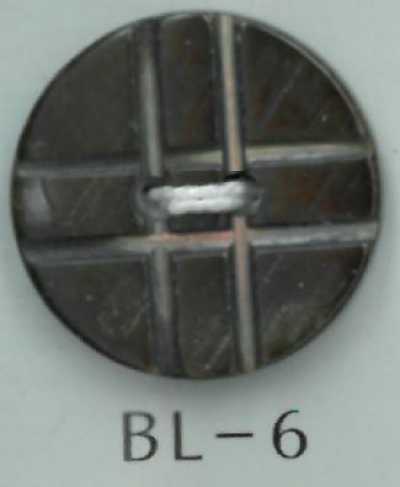
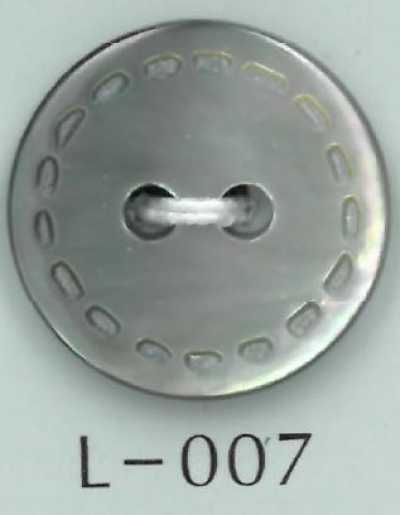
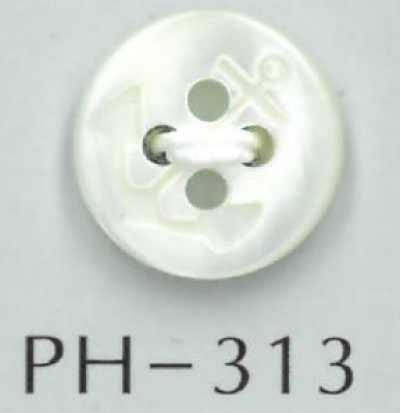
Engraving is a process and finish that applies logos, letters, patterns, and the like to the surface of a button as a recessed design or an impressed mark, adding decorative appeal and brand identification.

Contents7 sections
Definition and Overview
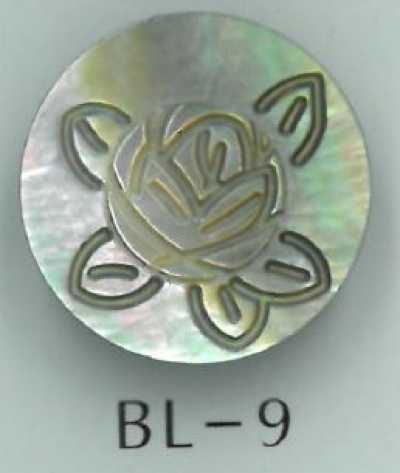
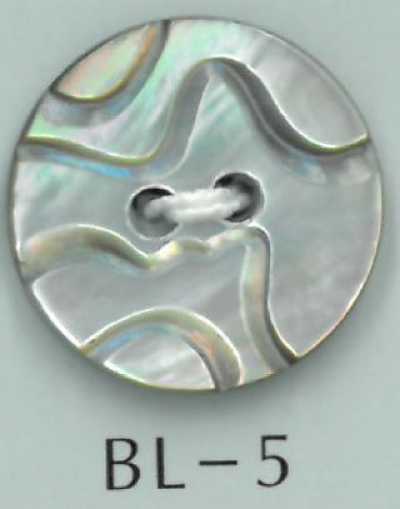
Engraving is a process that adds letters, logos, emblems, floral patterns, and the like to the surface of a button. In addition to recessed designs that make the surface look carved, some materials and methods also use impressed markings made by pressure. On shell buttons, it is also used to add patterns while making use of their natural luster.
Engraving is not the name of the button material or shape, but a term that indicates the surface design. Therefore, even for the same engraved button, appearance, sewing method, and handling precautions differ depending on the material, color, thickness, hole specification, and whether or not it has a shank.
Materials and Structure
Engraving is found on a wide range of buttons that can be patterned on the surface, such as shell, real buffalo horn, nut, wood, resin, and metal. Because the sharpness, depth, and appearance of engraved lines vary depending on material hardness, layered structure, and surface treatment, it is important to check with an actual sample before mass production.
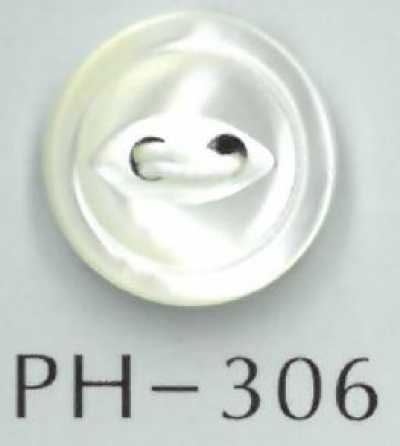
The presence or absence of engraving does not determine whether a button is a pierced button such as a two-hole, four-hole, or cat-eye button, or a shank button with a ring shank or other shank. If the pattern position overlaps with the holes or shank position, the design becomes harder to see, so the specification sheet should also indicate the front-facing orientation.
- For pierced buttons, confirm the hole positions so the thread will not hide the pattern.
- For shank buttons, place the engraved side on the front and align the shank direction.
- For natural materials such as shell, the appearance of the engraving may change due to differences in color and luster inherent to the material.
How Sizes Are Expressed
Button sizes are generally expressed by diameter in mm or lignes. A ligne is a unit used for buttons, and 1 ligne is approx. 0.635 mm. In orders and specification sheets, listing both lignes and mm helps reduce misunderstandings.
If the engraved design is too fine relative to the button diameter, the lines become hard to read; if it is too deep, it may appear chipped during sewing or use. When adding logos or letters, confirm the minimum line width, legibility of the text, and the top-to-bottom and left-to-right orientation with a sample prototype.
Main Applications
Engraved buttons are used on shirts, blouses, cardigans, jackets, coats, pants, skirts, dresses, and more. They range from buttons that add a modest logo or pattern to create a unified look as trims to decorative buttons that highlight the design.
They are used not only for the main front closure buttons, but also for cuffs, pocket openings, collars, belts, and other areas. When using engraved buttons of different sizes within the same product, confirm that the pattern reproducibility and orientation are consistent across all sizes.
Attachment and Handling Precautions
Pierced buttons are sewn onto textile with sewing thread. In thick areas or where extra room is needed, a thread shank is made to create proper space between the button and the textile. Shank buttons tend to place stress at the base of the shank, so choose thread and attachment methods that suit the fabric thickness, and avoid pulling too hard.
Resistance to washing, dry cleaning, and ironing depends not on the engraving itself, but on the material and surface treatment. Shell and other natural materials may crack from impact, and metal may discolor due to moisture, detergent, sweat, and the like. Do not apply a hot iron directly; check the handling conditions for both the product and the button.
- Turn the garment inside out during washing to reduce contact with other hard trims.
- Avoid ironing directly on the button, or use a pressing cloth and confirm the temperature conditions.
- When product washing is required, test in advance for engraving wear, chipping, discoloration, and effects on the surrounding textile.
- If there is a metal-like surface treatment, also check for appearance changes after dry cleaning.
Differences from Similar Terms
Engraving is a process that expresses a pattern by recessing the surface or adding an impression. By contrast, embossing generally refers to a raised relief expression on the surface. However, because the terminology can vary by supplier and manufacturing method, the direction of the relief should be shared using drawings, cross-section images, and actual samples.
Logo engraving is engraving with a logo added. Printing and top coating, on the other hand, are finishing methods that apply color or letters to the surface with ink or coating, and differ in whether or not the design is carved. In specifications that combine engraving and coloring, also check for peeling of the color and any coating residue inside the pattern.
Frequently Asked Questions
What is the difference between engraved buttons and embossed buttons?
Engraved buttons are generally buttons in which the surface is recessed or impressed to show a pattern. Embossing generally refers to a raised design. However, because the terms are not always used consistently, when placing an order, share the relief direction, pattern depth, and front-view photo in the specification sheet.
Can the logo on an engraved button be read even on a small size?
On small-diameter buttons, thin lines and small letters may become hard to see. Legibility also changes depending on the material, engraving method, and surface luster. Check a sample for each button diameter used, and if necessary, make the lines thicker, reduce the number of letters, or simplify the design.
Can engraved buttons withstand home washing and dry cleaning?
Whether they are suitable cannot be judged by the presence of engraving alone; it depends on the button material, surface treatment, and sewing strength. For products intended for washing or dry cleaning, check in advance under actual processing conditions for cracking, chipping, discoloration, and any remaining dirt in the engraved area.