Cambric
Cambric is a thin, smooth woven fabric with moderate body, made by tightly plain weaving fine cotton threads or similar yarns at high density.
Contents6 sections
Definition and Overview
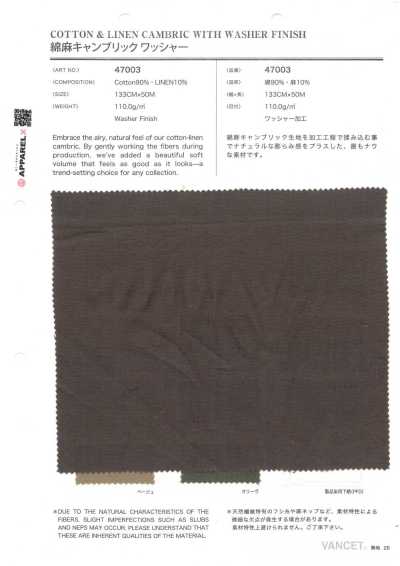
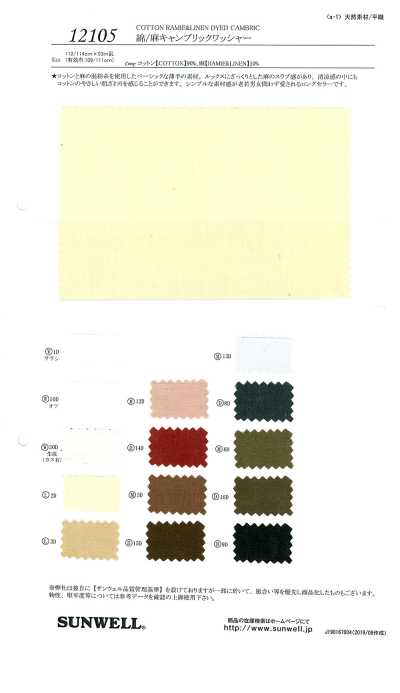
Cambric is a plain-woven, lightweight textile woven densely with fine-count yarns. It is generally made mainly from cotton, has a relatively smooth surface, and finishes with a neat appearance despite being lightweight. Depending on the finish, raw material, or place of production, it may also refer to linen or blended materials.
As a fabric name, cambric is a conventional term that includes the material, yarn thickness, density, and finish. For that reason, even fabrics with the same name may differ in thickness, firmness, and sheerness, so it is important to check an actual swatch during planning.
Features
Its features are a fine, flat surface created by high-density plain weaving. Although it is often found in lightweight textiles, it tends to have a somewhat firmer hand and a clean feel rather than the soft, light impression of lawn.
Cotton versions can be expected to have absorbency and are also used for items that come into direct contact with the skin. However, breathability, sheerness, and wrinkling vary depending on the type of yarn, density, and post-treatments such as resin finishing.
- Fine and relatively smooth surface
- Lightweight, yet easy to give a moderate firmness
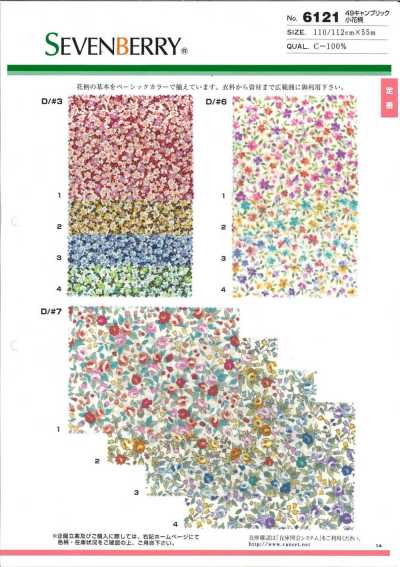
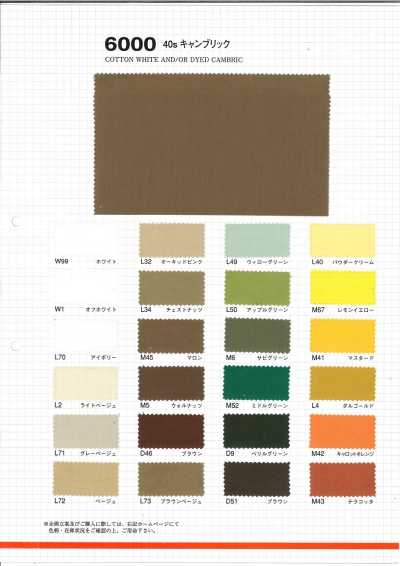
- Used not only in solid colors but also as a base for prints and embroidery
Main Applications
It is used for lightweight apparel such as blouses, shirts, dresses, and skirts. Taking advantage of its smooth surface, it is also used for handkerchiefs, baby and kids' clothing, nightwear, and linings.
It is mainly suited to light clothing for spring and summer, but depending on the color, pattern, fabric weight, and layering method, it is not limited to a specific season. When used in a single layer in light colors, check for sheerness and consider lining or layering if necessary.
Selection and Handling Notes
When selecting, check not only the material blend but also the fabric weight, density, sheerness, firmness, and wrinkling. In shirts and blouses, seam puckering and seam allowance show-through can greatly affect the finished result, so prototyping matched to the sewing specifications is necessary.
Materials made mainly from cotton may shrink when washed. Whether pre-wetting or straightening the grain before cutting is necessary should be determined according to the material and processing conditions. Washing method, drying method, and ironing temperature must always follow the care label on the fabric or product.
- For dark colors, check in advance whether color fading or color transfer occurs.
- Because it is a lightweight textile, check whether needle holes, puckering, or press marks will be noticeable.
- If interfacing is used, test whether the surface hardens or the adhesive applies unevenly.
Differences from Similar Terms
Broadcloth is similar in that it is plain woven and has a smooth surface, but cambric is generally treated as a lighter-weight category. However, the distinction between the two overlaps depending on the material and market terminology, so thickness cannot be judged by name alone.
Lawn is a lightweight plain weave made with fine yarns and is characterized by lightness and softness. Cambric may be described as denser and firmer than lawn. Batiste is also a lightweight plain weave made with fine-count yarns and is similar, and the use of these terms varies by region and industry.
Frequently Asked Questions
Is cambric the same fabric as broadcloth?
Both are treated as smooth plain-woven textiles, but they are not completely synonymous. Cambric is sometimes used to mean a lightweight fabric woven densely with fine yarns, while broadcloth may be used as a broader term covering a wider range of thicknesses and applications. In practice, the classification overlaps in distribution, so check the fabric weight, density, and hand.
Does cambric shrink when washed?
Cambric made mainly from cotton may shrink with washing. The degree of shrinkage varies depending on the raw material, weave density, whether dyeing or shrink-resistant processing has been applied, and the washing and drying conditions. Before production, perform wash testing and, if necessary, consider pre-wetting before cutting or reflecting the shrinkage rate in the pattern.