Bird's-eye Pattern
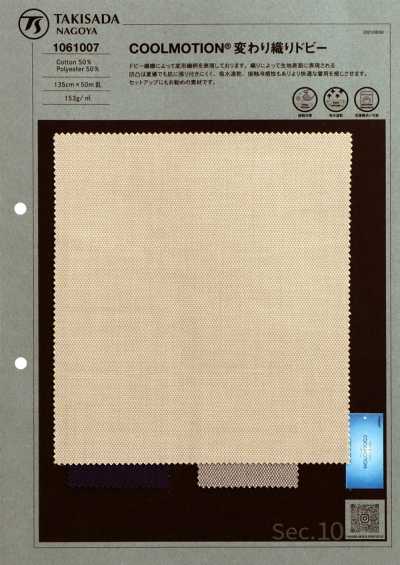
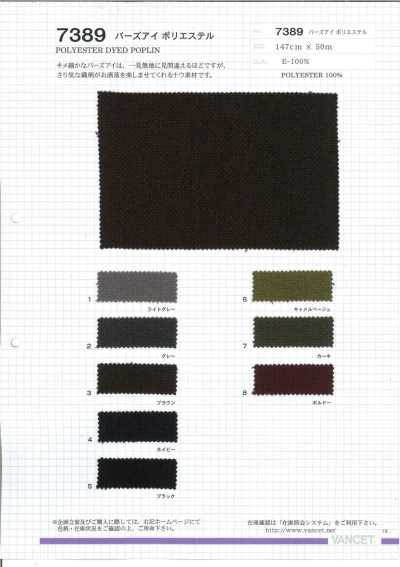
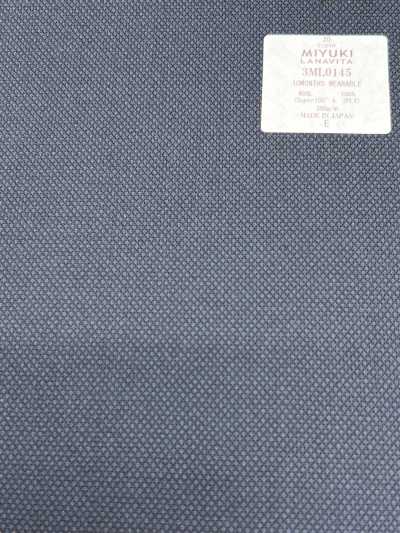
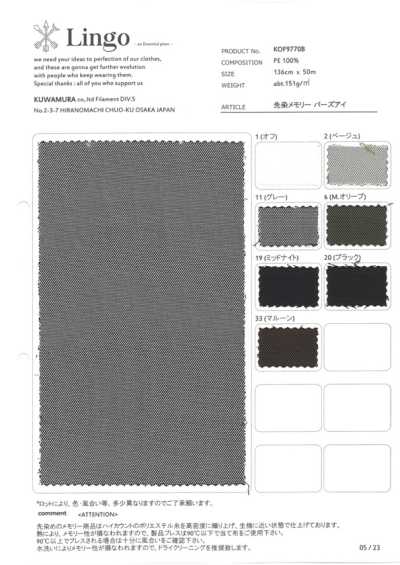
Bird's-eye pattern refers to a pattern in which small dot- or diamond-shaped motifs that resemble bird's eyes are arranged regularly, or to the textile on which that pattern is expressed through weaving or knitting.
Contents6 sections
Definition and Overview
Bird's-eye pattern is a pattern in which small eye-like dots are repeated against a ground color through colored yarns or the texture's surface relief. From a distance it looks close to solid, but up close it has subtle character and adds understated decoration.
Pattern Formation and Naming
In woven fabrics, the way warp and weft threads cross and the arrangement of colored yarns create a unit pattern that appears as a small diamond, circle, or cross. It is sometimes expressed on looms that can weave relatively small repeating patterns, such as dobby looms.
In knits as well, fine patterns called bird's-eye pattern are created through changes in stitch structure and color arrangement. For that reason, bird's-eye pattern should be understood not as a specific weave structure or material name, but as a pattern name based on appearance.
- A type that stands out with contrasting colors such as black and white
- A type that appears as delicate shading in similar colors
- A type that looks dotted and a type that looks like small diamonds
Main Applications and Seasonality
Because it is a fine, neat pattern, it is used for shirts, blouses, jackets, suits, pants, skirts, and dresses. It pairs easily as if it were solid, and works for everything from business wear to polished casual wear.
The season is not determined by the pattern alone. Thin cotton or linen fabrics are suited to spring and summer, while medium-weight wool fabrics are often suited to autumn and winter. The actual wearing season should be judged by the material, fabric weight, density, and whether it is brushed.
Notes on Fabric Selection and Cutting
When selecting, check the pattern size, color contrast, and repeat size on both the swatch and the roll. Even with a fine pattern, if the pattern position shifts from one section to another, seams may stand out, so it is important to confirm how it will look with the finished item in mind.
In cutting, first determine whether the pattern has an up or down direction and left or right direction. If the pattern has a single direction, material usage may increase because all parts must be placed in the same orientation. For the front body, collar, pocket, facing, and similar parts, specify pattern matching as needed.
- Check how the pattern runs relative to the selvedge of the roll.
- For symmetrical parts, consider whether the pattern positions should also be matched symmetrically.
- Check the connection of the pattern between the body and parts such as pockets and flaps.
- Also check in advance for twist and shrinkage, which affect how the pattern appears.
Differences from Similar Terms
Pinhead refers to a pattern in which very small dots like the tip of a needle appear repeatedly, and it may give a similar impression to bird's-eye pattern. On the other hand, bird's-eye pattern often refers to a unit motif of dots or diamonds that suggests a bird's eye, and the term may overlap depending on the fabric or production area.
Houndstooth and glen check are check patterns formed by combinations of multiple lines and colors. Bird's-eye pattern differs in that its unit motif is smaller and the overall effect is more likely to look solid.
Frequently Asked Questions
Is bird's-eye pattern the name of a weave method?
Bird's-eye pattern is mainly a name for how the pattern looks, not a term that indicates a single weave method. In woven fabrics it is expressed through the structure and color yarn arrangement, and in knits through stitches and color arrangement. When ordering, also specify the material, structure, and pattern size for confirmation.
Does bird's-eye fabric require pattern matching?
Even if the pattern is fine and looks close to solid, consider pattern matching if the color contrast or repeat is clear. In particular, the center front, collar, chest pocket, and flap tend to draw the eye, so it is important to make the matching method and acceptable range clear in the specification sheet.
What season is bird's-eye pattern suitable for?
The name bird's-eye pattern alone does not determine the season. If the fabric is thin and breathable, it is suited to spring and summer; if it is thicker and warmer, such as a wool blend, it is suited to autumn and winter. Judge the application by combining the material composition, fabric weight, and texture.
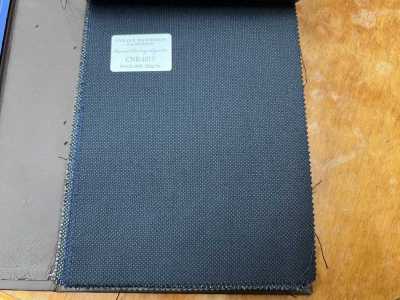
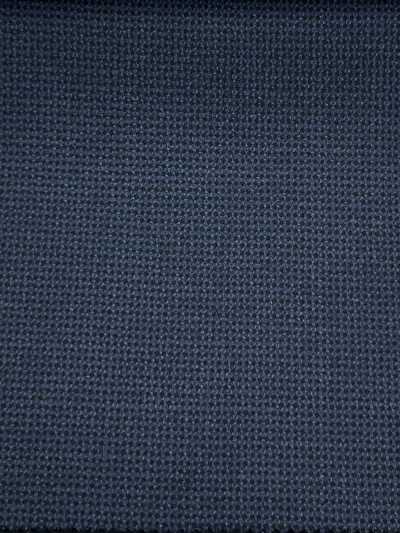
![59550-27 26AW HERDREX [Brilliant Max] Brilliant Max Navy Blue Bird's-eye](/img/item/thumb/YX/1103623_t2.jpg)
![59550-54 26AW HERDREX [Brilliant Max] Brilliant Max Dark Green Birdseye](/img/item/thumb/YX/1103624_t2.jpg)