Tropical Wool
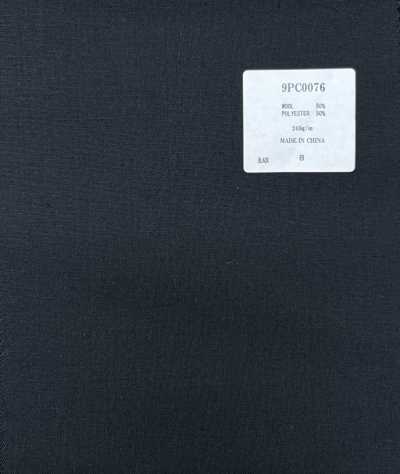
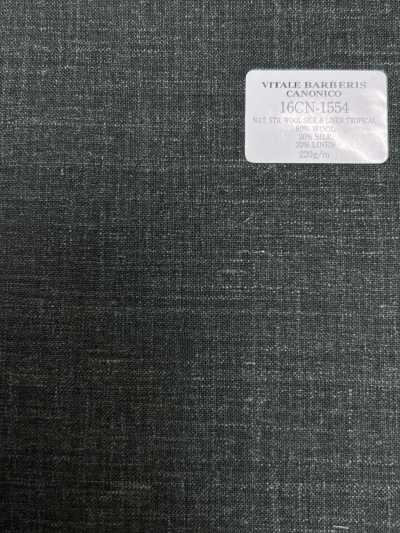
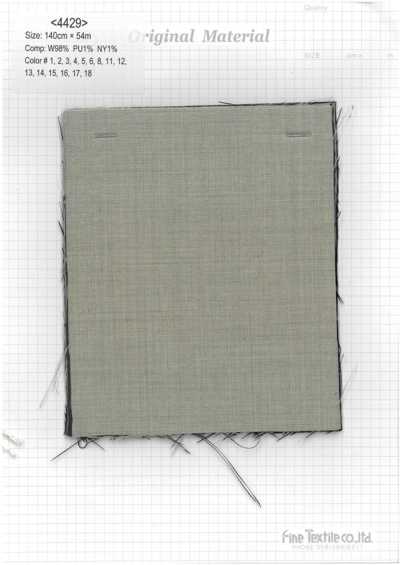
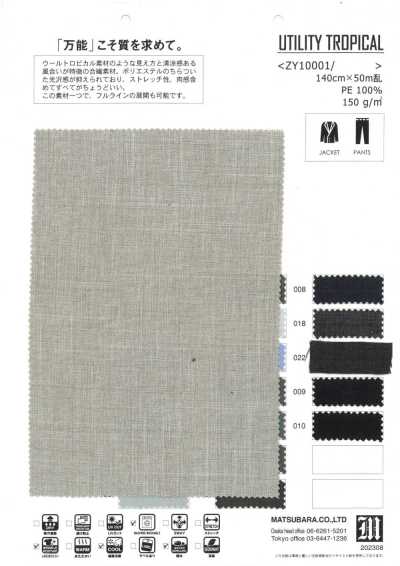
Tropical Wool is a spring and summer fabric woven relatively thinly with worsted yarn, with a smooth hand and good breathability.
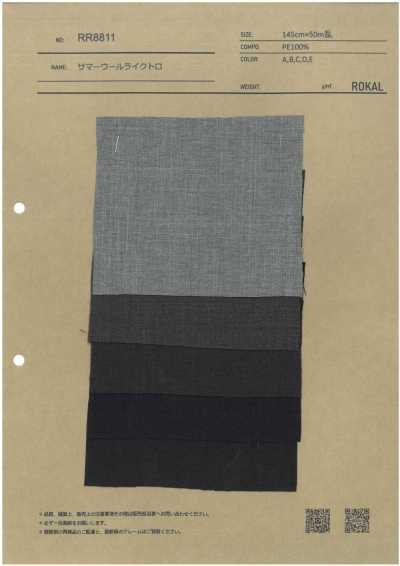
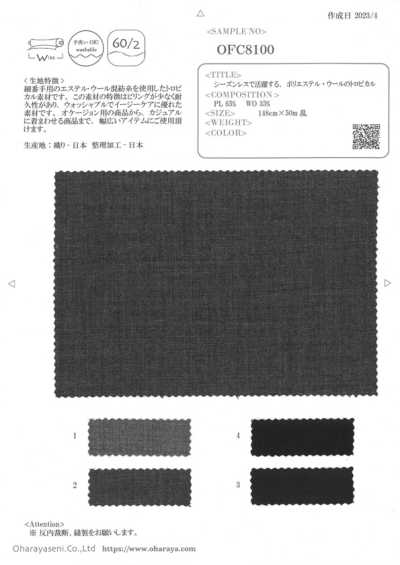
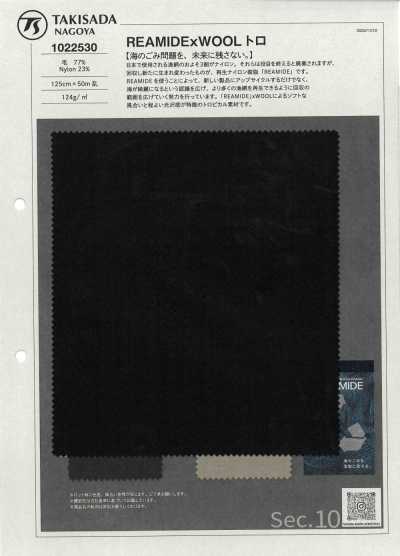
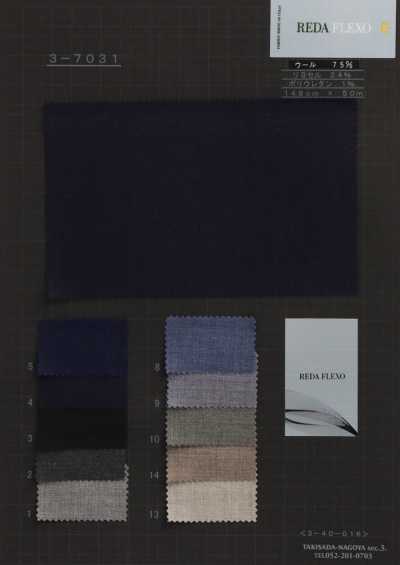
Contents6 sections
Definition and Overview
Tropical wool generally refers to a lightweight woven fabric made with worsted yarn. Worsted yarn is yarn made by removing short fibers and aligning the fibers in parallel, and it is characterized by a relatively smooth surface finish. In suiting fabrics, plain weave is often used as the basic structure.
“Tropical” is not a term that strictly denotes only the weave structure; it is sometimes used as a name for summer-weight apparel fabrics that includes thinness, weave openness, raw material, and finishing. It is not limited to 100% wool, and there are blended products with polyester and other fibers as well.
Features
Fine worsted yarn and a relatively open weave create a fabric that feels less clingy against the skin and has a crisp, dry texture. Because it is less fuzzy and easier to achieve a neat appearance, it is suitable for garments that need to retain wool’s refined look even in hot weather.
Although it is thin and easy to make breathable, translucency, firmness, and drape vary greatly depending on fabric density, fabric weight, and blend ratio. Even in dark colors, thin fabrics need to be checked for show-through when held up to light, as well as for the visibility of underwear and pocketing.
- Wool’s moisture absorption and release properties tend to help reduce stuffiness.
- Plain-weave types have a relatively matte surface and a cool-looking appearance.
- With loosely constructed fabrics, caution is needed to prevent snagging and seam slippage.
Main Applications
Main applications include spring and summer suits, jackets, slacks, skirts, dresses, and uniforms. It is also used for business wear and uniforms that require a polished, lightweight appearance.
For midsummer use, thinner fabrics that emphasize breathability are selected, while for spring through summer, fabrics with moderate firmness and durability are chosen. Even under the same tropical name, suitability varies, so the physical properties should be checked according to the item to be made.
Selection and Care Notes
When selecting, check the blend ratio, fabric weight, density, fabric width, as well as translucency, recovery, stretch, and care label instructions. For pants and uniforms, consider blended materials and functional finishes according to requirements for abrasion resistance, wrinkle resistance, and knee bagging.
Fabrics containing wool may shrink, change texture, or become shiny due to washing, heat, or strong friction. Whether product washing is possible differs by fabric, so before mass production, conduct washing tests and confirm shrinkage rates, then care for the item in line with the care instructions.
Before cutting, perform fabric straightening, and if necessary, confirm dimensional change through hot-water treatment or similar methods. With thin or loosely woven fabrics, needle holes, puckering, and seam shifting are more noticeable, so adjust the needle, thread, and sewing conditions through test stitching to reduce stress on the seam allowance.
Differences from Similar Terms
Tropical wool is a general term mainly used for thin worsted fabrics for summer use. Plain weave is the name of the basic structure in which warp and weft yarns interlace alternately, and although plain weave is often used for tropical wool, the two are not synonymous.
Peola is also treated as a summer worsted apparel fabric, but it may generally refer to fabrics with a coarser, more translucent weave or to fabrics using leno weave and similar structures. Do not judge by the name alone; it is important to check the actual structure, density, and thickness.
Frequently Asked Questions
Can tropical wool be washed at home?
Whether home washing is possible depends on the wool blend ratio, resin finishing, sewing specifications, and more. Some fabrics are designed to be water-washable, but to avoid shrinkage and loss of shape, always check the fabric care label and test results.
Can tropical wool be used outside of summer?
Types that emphasize thinness and breathability are suitable for spring and summer. On the other hand, types with moderate firmness due to density and fabric weight may also be used for year-round suits and uniforms worn in air-conditioned environments.