Upper Collar
The upper collar is the collar component that is mainly visible on the outside of a tailored jacket or coat collar, and it is the part that, together with the undercollar, shapes the collar’s appearance, roll, and fit around the neck.
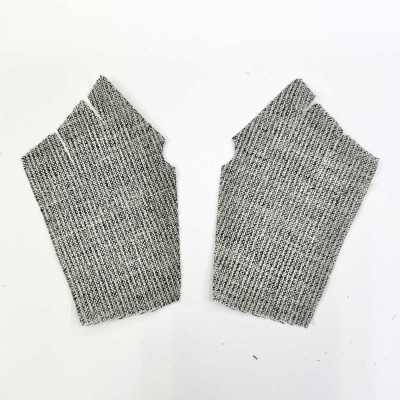
Contents6 sections
Definition and Overview
The upper collar refers to the side of a two-piece collar that is mainly visible from the outside when worn. In jackets and coats, it is sewn together with the undercollar that follows the neckline, and it creates the collar’s shape from the collar point to the outer edge of the collar.
It is also called the outer collar, but the term used in specifications or on the production floor may differ. It is important to note that the upper collar is not the name of the entire collar, but the name of one part that makes up the collar.
Area of Use and Role
The upper collar is placed on the outside of the collar, from the back neckline to the collar point. Because the fabric’s color, pattern, luster, and nap appear on the outside, this area greatly affects the impression around the face and the overall quality of the product.
It also works together with the undercollar, collar interlining, and under collar felt to support the collar’s stand and roll. Near the tip of the upper collar, under collar felt may be placed between the interlining and the upper collar to prevent the upper collar from flipping up or lifting.
Materials and Types
The upper collar is generally made from the same fabric as the shell fabric. In addition to jacket fabrics such as worsted woven fabrics and tweed, or coat fabrics such as melton, a different fabric may also be used depending on the product design.
The collar’s fit changes depending on the fabric’s thickness, firmness, stretch, and whether it has pile. With thick fabrics or fabrics with pile, seam allowances are more likely to overlap, while with thin or soft fabrics, shape reinforcement with interfacing or auxiliary materials may be necessary.
- Upper collar in the same fabric as the shell: finishes with a look that is continuous with the main body of the product.
- Upper collar in a different fabric: gives the collar a decorative look through material or color contrast.
- Upper collar with pile: the appearance of color tone and nap changes depending on the cutting direction.
Main Applications
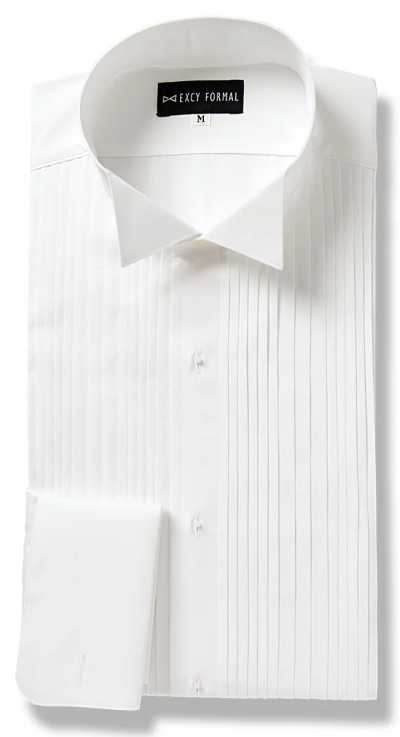
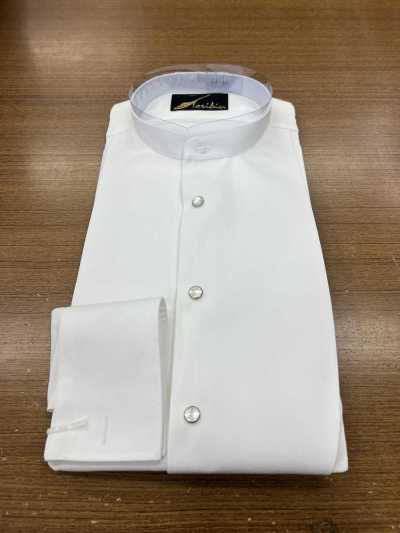
Upper collars are often used in garments with fold-over collars or two-piece collars, such as tailored jackets, suits, and Chester coats. In a shirt collar with a collar stand, the outer part may also be called the upper collar, but the way the parts are divided depends on the pattern and specifications.
In notch lapels and peak lapels, the upper collar is a component at the neckline that connects to the lapel. In collars that appear continuous, such as a shawl collar, some patterns do not clearly separate the upper collar and undercollar.
Selection and Sewing Precautions
For the upper collar fabric, check the color difference from the body, lot difference, grain direction, and nap before cutting. For checks and stripes, in addition to matching the left and right patterns, the pattern layout should be reviewed in advance so that the pattern does not shift unnaturally at the back center.
During sewing, control the thickness of the seam allowances when joining the upper collar and undercollar, and shape the corners at the collar point. In the pressing process, use a pressing cloth so that the seam does not show through on the surface or create shine, and also check the fit of the interfacing and under collar felt.
- Check the difference in fabric thickness and stretch between the upper collar and undercollar.
- Inspect the break line at the collar point and left-right symmetry.
- For patterned fabric, check the pattern position and grain before cutting.
- Check for stiffness, lifting, and wrinkles caused by the under collar felt and collar interlining.
Frequently Asked Questions
What is the difference between the upper collar and the undercollar?
The upper collar is the part of the collar that is mainly visible on the outside when worn, and it is also called the outer collar. The undercollar is the side that touches the neck, or the part that supports the collar from the underside. The shape of the collar is created by sewing the two together and combining them with interfacing and auxiliary materials.
Are the upper collar and collar stand the same?
No, they are not the same. The upper collar is the name of the part on the outer side of the collar, while the collar stand refers to the band-shaped part that stands up along the neck. In shirt collars with a collar stand, the upper collar and the collar stand, or the band collar, may be made as separate parts.
What should be checked if the upper collar flips up?
Check the thickness of the seam allowance at the collar point, the position of the interfacing and under collar felt, the difference in stretch between the shell fabric and undercollar, and the shaping done by pressing. Near the collar point, under collar felt may be inserted between the interlining and the collar interlining to suppress flipping of the upper collar.