


Natural Shoulder
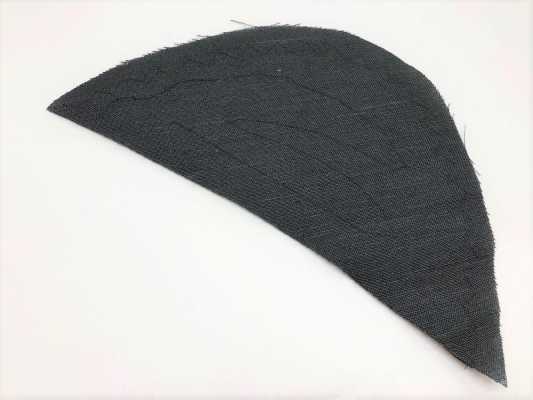
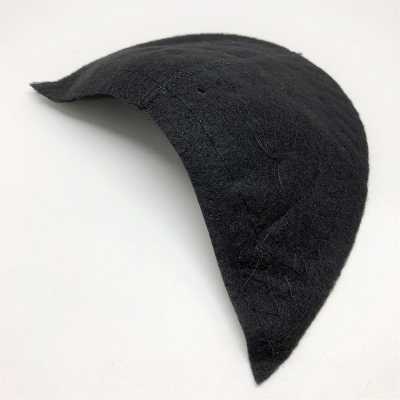
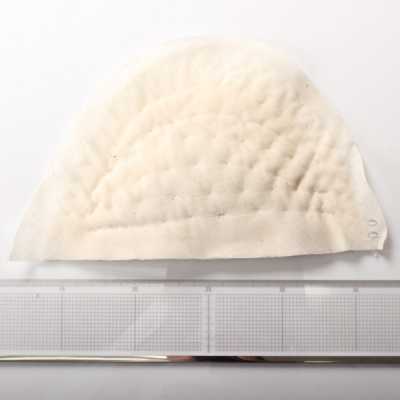
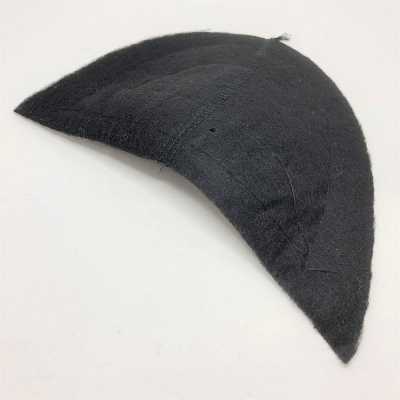
Natural Shoulder refers to a specification and silhouette using a thin, understated shoulder pad that does not unnaturally lift the shoulder point, but instead follows the wearer’s natural shoulder slope and roundness.
Contents6 sections
Definition and Overview
Natural Shoulder is an approach that does not emphasize the shoulder line to make it jut out, but instead creates a gentle line close to the human shoulder slope. When a shoulder pad is used, a shape with limited thickness and firmness is selected.
As a material term, it refers to a shoulder pad that creates a natural-looking shoulder, or to the shoulder-area specification that uses such a pad. It is not a term for the pad material itself or the sewing method, but mainly a term that describes the finished silhouette.
Placement and Role
It is mainly placed from the shoulder point to the armhole area of jackets, coats, dresses, and similar items. It is inserted between the outer fabric and lining, or between the facing, and smooths the line from the shoulder line to the sleeve while adjusting slight left-right differences in the shoulder.
Its purpose is not simply to add thickness to the shoulder, but to suppress drooping at the shoulder point and the impression of seam allowance marks, helping prevent the shoulder line from losing shape under the weight of the garment. With thin or soft outer fabrics, it is also important that the pad’s outline does not show through.
Materials and Types
For Natural Shoulder, shoulder pads generally use thin, resilient foam, nonwoven fabric, or batting-like fibrous materials. Some are covered with fabric, and others have their thickness adjusted with multiple layers.
When selecting one, check not only the material name but also the thickness difference between the shoulder-point side and neck side, the length, shoulder slope, left-right distinction, and thinness at the edges. Even when the name Natural Shoulder is the same, the shape and firmness can differ, so actual samples must be checked.
- A thin shape with edges that blend in naturally makes the shoulder point look more natural.
- High resilience helps prevent shape distortion caused by compression during wear.
- When the outer fabric is thin, check the pad color, surface irregularities, and outline visibility through the fabric.
Main Applications
It is used in tailored jackets, lightweight jackets, coats, dresses, and similar garments that do not require a strong built-up shoulder look. It is suitable when you want to take advantage of the drape of the fabric and the wearer’s shoulder appearance while only lightly adjusting the shoulder area.
Even in garments with a casual look, it may be used for shoulder-line stability and to keep the sleeve setting area neat. However, in knits or highly stretchable fabrics, the presence or absence of the pad and the fixing method should be considered in balance with the stretch of the entire garment.
How to Choose and Sewing Considerations
Choose based on the thickness and firmness of the outer fabric, shoulder slope, sleeve design, and desired silhouette. If you want the shoulders to look wider or the sleeve cap to look higher, Natural Shoulder may not be sufficient, so the overall specification should be considered.
In sewing, the shoulder pad is temporarily secured to the shoulder line or armhole seam allowance, and fixed without pulling the outer fabric. Match the position, direction, and amount of projection from the shoulder point on both sides, and after attaching, check on a dress form or similar model for any step at the shoulder point, pad pressure, and connection with the sleeve.
Roped Shoulder is a specification that creates height and dimension near the sleeve cap to make the shoulder point look more pronounced. By contrast, Natural Shoulder aims to suppress shoulder-point fullness and achieve a natural slope. Set in pad and raglan shoulder pad are names that mainly indicate the sleeve attachment method or corresponding shape.
Frequently Asked Questions
Is a shoulder pad necessary for Natural Shoulder?
It is not always necessary. If the outer fabric has enough firmness and the shoulder line and sleeve attachment are stable in the design, the pad can be omitted. On the other hand, inserting a thin pad may help suppress shoulder droop and seam allowance marks, making it easier to maintain a natural shape.
What is the difference between Natural Shoulder and Roped Shoulder?
Natural Shoulder is a specification that limits thickness and projection at the shoulder point and aims for a gentle line that follows the shoulder slope. Roped Shoulder is a specification that gives the sleeve cap and shoulder point a three-dimensional height and makes the outline more distinct. They are used according to the desired impression and sleeve design.
How is the thickness of a shoulder pad determined?
It is determined by combining the thickness and firmness of the outer fabric, the wearer’s shoulder slope, shoulder width, sleeve shape, and the overall silhouette of the garment. Do not judge by thickness alone; check whether the edge on the shoulder-point side is thinly finished and whether there is any pressure showing through the outer fabric, and evaluate the worn appearance with a sample prototype.





