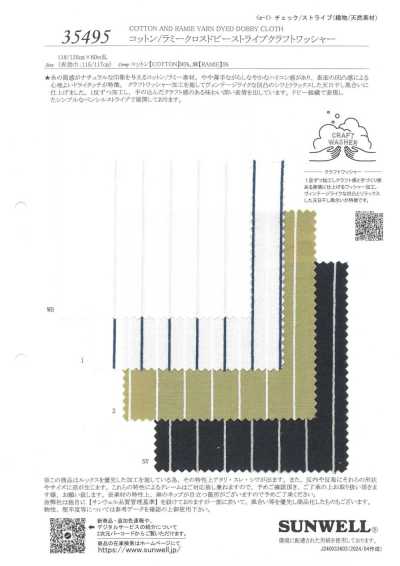
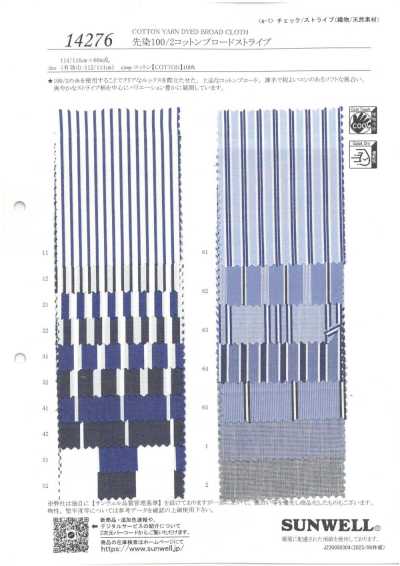
Pencil Stripe
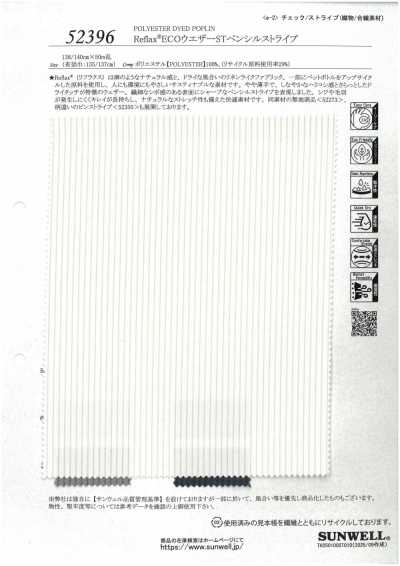
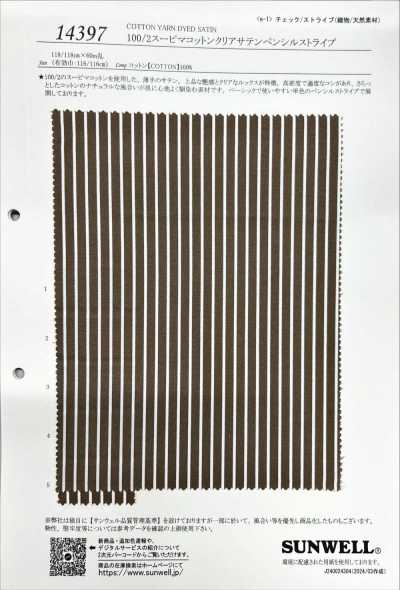
Pencil stripe is a stripe pattern based on thin, clear vertical stripes that look as if drawn with a pencil, creating a neat impression depending on the line thickness and spacing.
![59542-63 26AW HERDREX [MOKUORI] Mokuori Medium Gray Pencil Stripe Deodorant Wool](/img/item/thumb/YX/1103609_t2.jpg)
![M02059-4 KUNISHIMA1850 Exclusive Line [Superfine Worsted] Gray Pencil Stripe](/img/item/thumb/YX/1109486_t2.jpg)
![59542-77 26AW HERDREX [MOKUORI] Mokuori Brown Pencil Stripe Deodorant Wool](/img/item/thumb/YX/1103610_t2.jpg)
Contents5 sections
Definition and Overview
Pencil stripe is a pattern with narrow linear stripes placed at regular intervals against a ground color. It is generally used as a stripe running in the warp direction, and its characteristic is a delicate, straight appearance that resembles lines drawn with a pencil.
Thin stripes naturally draw the eye vertically, creating a neat and refined impression. However, because the appearance changes greatly depending on stripe width, color contrast, spacing, and the ground weave, the details of the pattern cannot be identified from the name alone.
How the Pattern Is Made and What It Is Called
Pencil stripe is expressed through the arrangement of yarn-dyed warp yarns, and can also be created by printing or by changes in weave structure. In yarn-dyed fabrics, the color and arrangement of the yarns form the stripes, and depending on the weave and material, the pattern may gain dimension or sheen.
Pattern names for stripes often do not have a clear standard for width, so the range covered by the term pencil stripe also varies in fabric planning and distribution. It is mainly distinguished from pinstripes and chalk stripes by stripe width, outline, and overall appearance.
- Pinstripe: a pattern often expressed as an extremely fine line, like the head of a pin.
- Chalk stripe: a pattern that often appears slightly wider and with a softer outline, as if drawn with chalk.
- Shadow stripe: a pattern that shows stripes subtly through color contrast or differences in weave sheen.
Main Uses and Seasonality
It is used not only for shirts and blouses, but also for jackets, suits, pants, skirts, and dresses. Thin stripes are easy to incorporate with a near-solid feel, and are widely used from business wear to polished casual wear.
The pattern itself is not seasonal. Seasonal suitability is determined by the material, fabric weight, weave, and finishing, such as using broadcloth or poplin for spring and summer shirt fabrics, or wool-like and brushed fabrics for fall and winter suit and jacket fabrics.
Notes on Fabric Selection and Cutting
When selecting fabric, check the stripe spacing, contrast between the line and the ground color, sheerness, and the straightness of the pattern. Even a thin line can look strong if the color contrast is large, so it is important to confirm the overall appearance with a swatch or garment length to match the product image.
During cutting, consider pattern matching so the stripes do not shift unnaturally at the center front, collar, pockets, yoke, side seams, and other areas. Keeping the stripes straight with the grain is fundamental, and if there is bias distortion or grain misalignment, the stripes may appear crooked in the finished product.
When matching stripes on the body or pockets, extra fabric beyond a normal cutting allowance is usually required. Check symmetric pattern placement, stripe pitch, fabric width, and usable width, and calculate the necessary yardage at the marking stage.
Frequently Asked Questions
What is the difference between pencil stripe and pinstripe?
Where should pattern matching be done when cutting pencil stripe fabric?
Prioritize areas where the eye tends to focus when finished, such as the center front, back center, side seams, pockets, yoke, and collar. Because it may be difficult to match everything perfectly, decide in advance the priority order for specifications and appearance, and secure the necessary yardage.
![59542-49 26AW HERDREX [MOKUORI] Mokuri Gray Pencil Stripe Deodorant Wool](/img/item/thumb/YX/1103608_t2.jpg)