Jute
Jute is a plant-based bast fiber obtained from the stems of the jute plant, and it is used in bags, interior goods, and summer apparel, taking advantage of its coarse, rustic appearance and firm body.
Contents5 sections
Definition and Overview
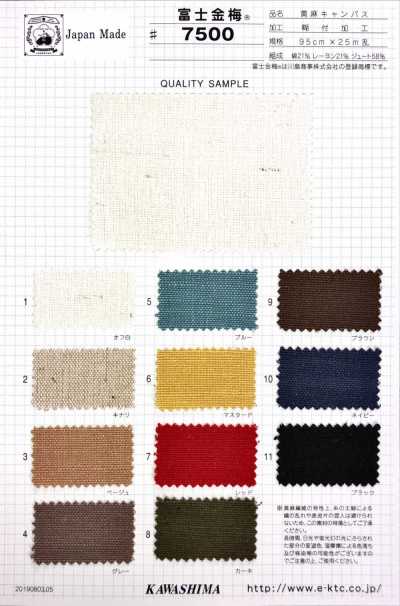
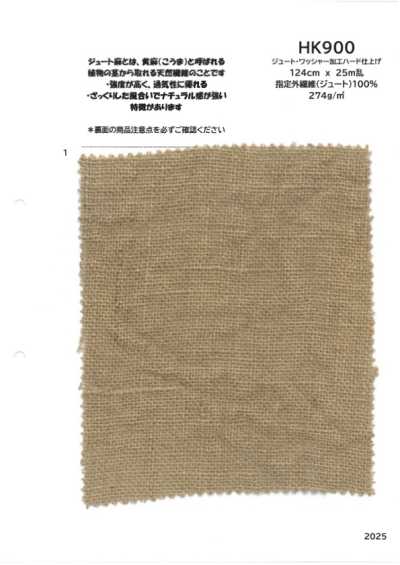
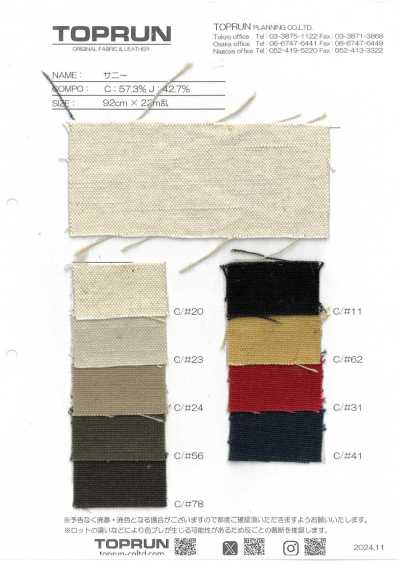
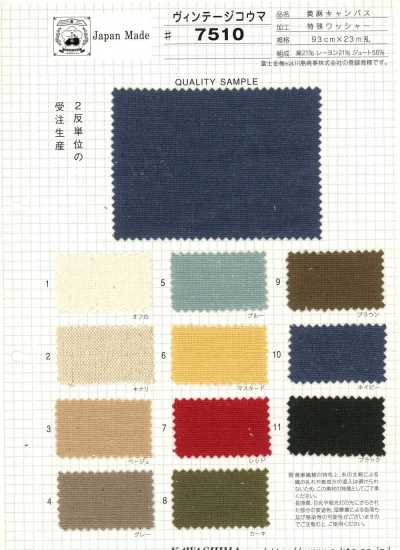
Jute is a bast fiber harvested from the part near the skin of the stem of the plant called yellow hemp. In addition to referring to the fiber itself, the term jute is also sometimes used to refer to the woven fabric made from its yarn. In plain weave textiles made with thicker yarn, fiber knots and weaving irregularities may stand out.
It is classified as a plant-based hemp fiber, but linen is a separate fiber made from flax, and ramie is made from Chinese grass. Compared with these, jute generally has a coarser fiber and is suited to applications that make use of its firmness and rough appearance.
Features
In its natural state, it has a natural tone ranging from yellow-brown to brown, and a rough weave, neps, and fuzz create a rustic impression. The thickness and color tone of the fibers vary, and for apparel that calls for a uniform, smooth surface, blends or fine-count textiles may be chosen.
It has firmness and resilience, and holds its shape well, but soft drape and stretch cannot be expected much. Depending on weave density, yarn thickness, blend ratio with other fibers, and finishing, the firmness, sheerness, and feel against the skin can vary greatly.
Main Applications
Jute textiles are used for bags such as tote bags, hats, accessory materials for sandals, storage items, and interiors such as curtains and cushions. In projects that highlight the material feel, they may also be used as a base for brand labels or for display purposes.
In apparel, they are used for shirts, dresses, skirts, jackets, and more, but for items that touch the skin directly, it is important to check the firmness and fuzziness. They are a good match for spring and summer projects that take advantage of breathability, while the suitable season varies depending on the fabric thickness and blended materials.
- Bags and miscellaneous goods that make use of a rough appearance
- Interior and decorative applications that use firmness
- Spring and summer apparel using blends or lightweight textiles
Selection and Handling Notes
When selecting, check not only the composition but also the fabric weight, weave density, textile width, thickness, surface fuzz, and color variation in the actual material. For bags and materials, strength and abrasion resistance; for apparel, skin feel, sheerness, and fraying near the seams should be included, and tests and sewing samples suited to the intended use are necessary.
Because it is a natural fiber, washing may cause shrinkage, shape changes, and changes in texture. Whether it can be washed with water should follow the care label for each textile and the test results, and a washing test should be carried out before mass production. For dark-colored items, attention should also be paid to color transfer caused by friction or moisture.
When cutting, align the weave, and during sewing, secure an appropriate seam allowance to reduce fraying, and consider overlock finishing or French seams. Because rough textiles may make needle holes and stitching stand out, proceed only after checking the needle and thread thickness, stitch length, and sewing conditions on scrap pieces.
Frequently Asked Questions
How is jute different from linen?
Both are plant-based hemp fibers, but the source plants are different. Jute is obtained from yellow hemp, while linen is obtained from flax. In general, jute is characterized by a coarse, firm, rustic look, while linen is relatively smooth and widely used in apparel. The actual texture should be checked through the yarn, weave, and finishing.
Can jute textiles be washed with water?
Whether water washing is possible depends on the blend ratio, weave, and finishing processes such as dyeing and resin treatment. Because washing may change shrinkage, firmness, fuzz, and shape, it is important not to judge only from the care label, but to conduct a washing test on the actual material during the planning stage.
What should be considered when sewing jute textiles?
Roughly woven jute tends to fray at cut edges, and needle holes and stitching may be visible on the surface. Cut while aligning the grain, leave sufficient seam allowance, and finish the edges with overlock processing or similar methods. Adjust the needle, thread, and stitch length through test sewing to suit the fabric thickness and weave density.