Cotton Linters
Cotton linters are the short fibers that remain on the surface of cottonseed after cotton fibers have been removed from cotton bolls, and they are used as a raw material for regenerated cellulose fibers such as cupro.
Contents6 sections
Definition and Overview
Cotton linters are the short fibers that remain on the surface of cottonseed after the cotton fibers for spinning have been removed from cotton bolls. They are distinguished from the fibers used to make apparel yarn and are mainly used as a cellulose raw material.
It is a raw material name, not a fabric name. Therefore, cotton linters themselves are not used in apparel as woven or knitted fabrics. In the apparel field, it is a term seen when explaining the origin of regenerated cellulose fibers.
Features and Appearance
The main component is cellulose, and it becomes a raw material for producing regenerated cellulose fibers through chemical dissolution. Because it is a short fiber, it is different from the use of ordinary apparel cotton, which is spun into yarn.
At the raw material stage, it is not possible to directly evaluate the luster, drape, or hand feel required in garments. The appearance and performance of the final product vary depending on the type of fiber made from cotton linters, the yarn or textile design, and dyeing and finishing processes.
Main Applications
For apparel applications, it is processed into regenerated cellulose fibers such as cupro, which are used for linings and outer fabrics. Especially for linings, applications are considered based on the properties of the final fiber or woven or knitted fabric, not on the material origin.
It is also used as a raw material for industrial materials that use cellulose. Therefore, it is not a term chosen as a textile material directly corresponding to specific items or seasons such as shirts, pants, or coats.
Selection and Handling Notes
When planning fabrics or products, it is important not to judge hand feel, shrinkage, strength, or washing method from the raw material information of "cotton linters used" alone. Check the type of regenerated cellulose fiber used, blend ratio, structure, processing details, and test values.
Shrinkage, washing, and sewing conditions follow the care tag and specifications of the final textile, not the cotton linters. Before mass production, check the textile shrinkage, seam puckering, color fastness, and other factors, and perform prototypes and washing tests as needed.
- Do not confuse the raw material name with the fiber name or textile name
- Check the blend ratio using the fiber name used in the final product
- Evaluate washing conditions and sewing conditions for each textile
Differences from Similar Terms
Cotton is the relatively long fiber collected from cotton bolls, and it is spun into cotton yarn and used for cotton woven fabrics and cotton knitted fabrics. Cotton linters, on the other hand, are the short fibers remaining on cottonseed and are mainly handled as a cellulose raw material.
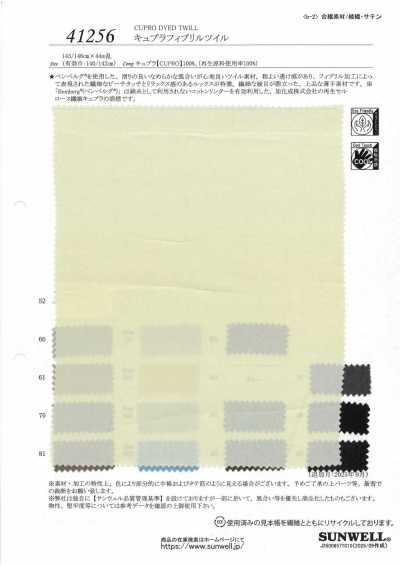
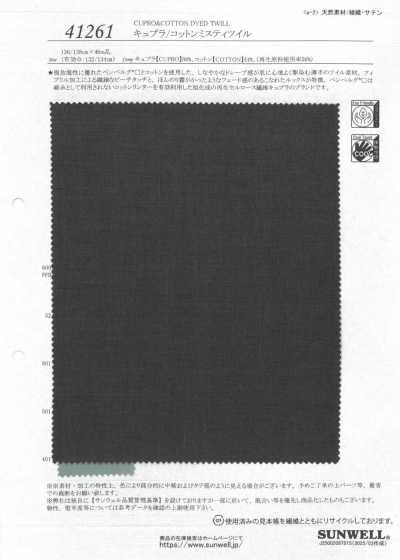
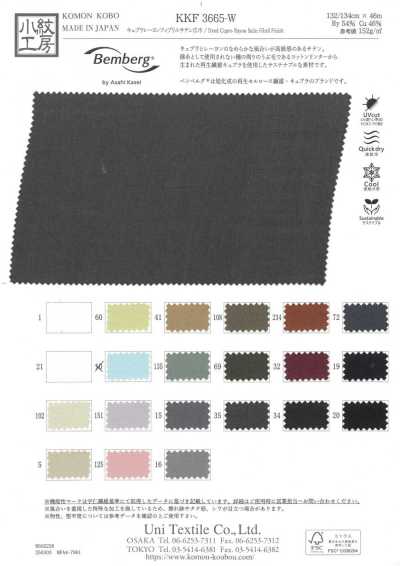
Cupro is a chemically regenerated cellulose fiber made from cotton linters and other raw materials. While cotton linters is the name at the raw material stage, cupro is the name used as an apparel fiber in blend ratio indications and textile descriptions.
Frequently Asked Questions
Are cotton linters a 100 percent cotton fabric?
Cotton linters are not a textile; they are the name of the raw material for the short fibers remaining on cottonseed. They do not mean a 100 percent cotton woven or knitted fabric. In apparel, check the type and blend ratio of the regenerated cellulose fiber made from this raw material.
Does fabric made from cotton linters shrink when washed?
Shrinkage and washing methods cannot be determined from the raw material name cotton linters alone. They vary depending on the type of regenerated fiber, blend ratio, structure, and dyeing and finishing processes, so check the fabric care label, shrinkage data, and product test results.