Botanical Dyeing
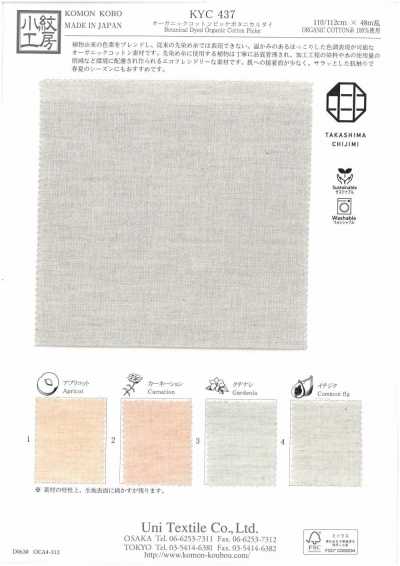
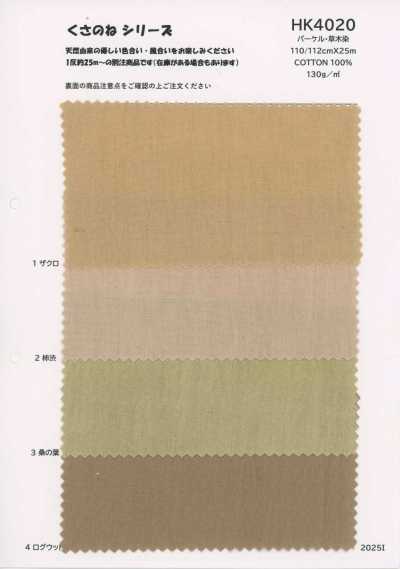
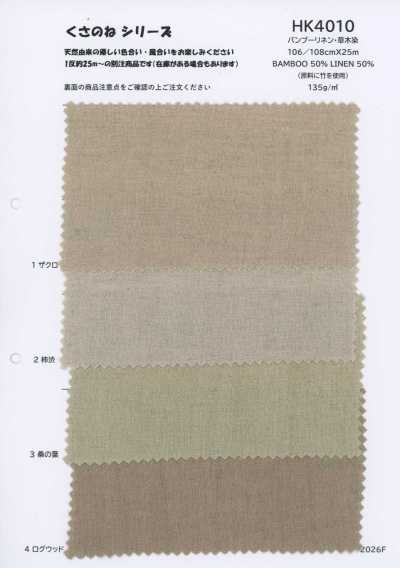
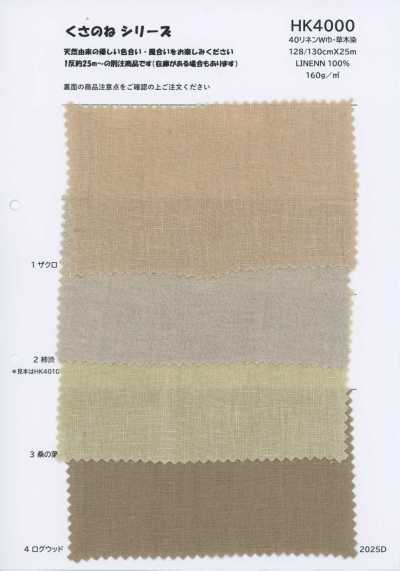
Botanical dyeing is a dyeing method in which pigments obtained from plant flowers, leaves, roots, bark, fruits, and other parts are used to dye fibers and textile, with mordanting applied as needed.
Contents5 sections
Definition and Overview
Kusaki-zome is a dyeing method that colors fibers, yarn, textiles, and other materials using pigments derived from plants. Depending on the case, a mordant may be used to fix the pigment to the fiber or to adjust the tone. The finish varies greatly depending on the material, type of plant, and dyeing conditions.
While yarn dyed and piece dyed are terms that indicate differences in the dyeing process, Kusaki-zome is mainly a term that focuses on the origin of the dye and the dyeing method. Even with Kusaki-zome textiles, some are dyed at the yarn stage, while others are dyed after being made into textiles.
Characteristics of Color and Texture
Kusaki-zome using plant-derived pigments may produce complex tones with subdued vividness and slight variations in light and dark shades. It is used in plans that make the most of a natural, soft impression combined with the material’s original appearance.
Texture is not determined by Kusaki-zome alone; it also changes depending on the base fabric’s fibers, weave or knit structure, and scouring or finishing processes. Also, simply because it is plant-derived, one cannot uniformly expect functions such as antibacterial properties or safety.
Main Applications and Material Selection
It is used for items such as shirts, blouses, dresses, skirts, scarves, and fashion accessories where color expression is intended to be seen as a design element. For lightweight natural-fiber textiles, it is also used to create a soft impression suited to spring and summer.
Because the dyeing result differs by fiber, it is important to confirm the dyeing track record for the materials used, such as cotton, linen, silk, and wool. For blended or union fabrics, color development may differ by component, so confirm in advance whether the intended heathered effect or shading can be achieved.
- Do not decide planned colors from swatches alone; confirm them with sample rolls under conditions close to mass production.
- Also check color differences and uneven dyeing on the front and back of the textile, near the selvage, and within the roll.
- Select accessories and sewing thread while also considering color differences from the main body and changes after washing.
Handling and Sewing Considerations
Kusaki-zome may change in tone due to sunlight, washing, sweat, and friction. In particular, for dark colors, check for color transfer caused by dry and wet rubbing, as well as transfer to other products while wet. Depending on the intended use, please confirm test results such as light fastness, wash fastness, and rubbing fastness.
Shrinkage and dimensional changes are affected not only by Kusaki-zome itself but also by the material, pre-treatment, and finishing conditions. Before cutting and sewing, carry out boiling or similar treatment as needed, and before mass production, confirm shrinkage rate, skewing, and color change through washing tests, then reflect them in the specifications and care label instructions.
Frequently Asked Questions
Can Kusaki-zome textiles be washed at home?
Whether washing is possible depends on the material, dyeing conditions, and post-treatment, so follow the care label instructions for each product. In general, it is advisable to avoid long soaking and strong rubbing, and to wash separately from light-colored items. During planning, confirm color change and shrinkage through washing tests.
Are Kusaki-zome and natural dyes the same thing?
They are sometimes used in a similar sense, but natural dyes may include dyes derived from animals or minerals in addition to plants. Kusaki-zome usually refers to dyeing using plant-derived dyes. For transactions and labeling, it is best to confirm the range of dyes used with the supplier.
Does Kusaki-zome result in lot-to-lot differences?
Differences in hue and shading may occur depending on the condition of the plant material, harvesting time, extraction conditions, mordanting, and the temperature and time during dyeing. In mass production, it is important to use the approved sample as the standard and to confirm color for each lot, as well as reproducibility for additional production, in advance.