


Puckered Weave
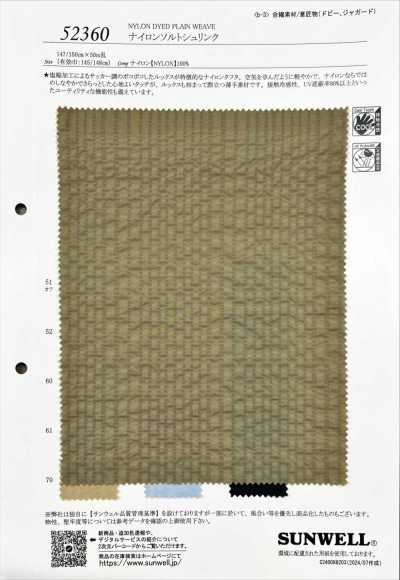
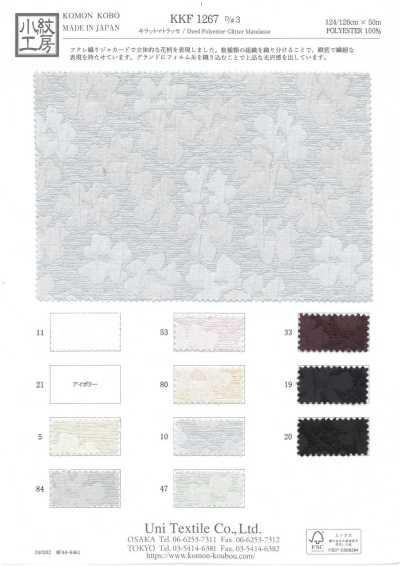
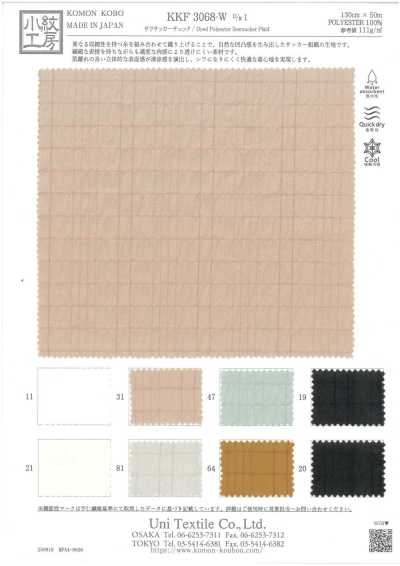
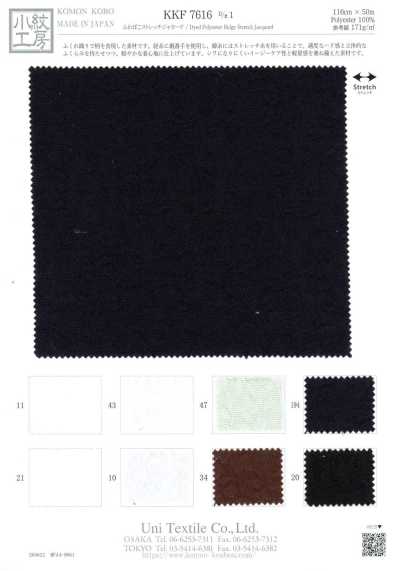
Puckered weave is a textile that uses the structure or differences in yarn shrinkage to raise parts of the textile surface in a raised way, creating patterns and a textured surface.
Contents6 sections
Definition and Overview
Puckered weave is a fabric that combines the structure of the face side and the back side, or yarns with different shrinkage properties, to create partial bulges during the finishing process. From solid patterns to floral and geometric patterns, it shows designs through the contrast between raised and flat areas.
Many are made by expressing complex patterns with a Jacquard loom, and they are also called puckered Jacquard. However, puckered weave refers to an expression or structure that creates surface irregularities, while Jacquard refers to the weaving method used to weave patterns, which is the difference between the two.
Texture and Visual Characteristics
The surface shows a bumpy swelling and shadowing, giving it a three-dimensional look that is difficult to achieve with printing. Because the pattern itself has presence, it is easy to add decoration even in a single color, and the appearance changes depending on how the light hits it.
The texture varies depending on the fibers used, the structure, and the size of the bulges. Some are light, but others are medium to heavy weight and have body and loft, so it is important to check the thickness, stiffness, and drape in a sample.
- Some designs reduce the contact area with the skin through the irregular surface, but breathability and coolness vary depending on the material, density, and back-side structure.
- While three-dimensional patterns add presence to a product, large patterns can affect pattern matching and cutting efficiency.
Main Applications
It is used for jackets, skirts, dresses, blouses, and dresses, taking advantage of its three-dimensional patterns. Relatively stiff items are suitable for structured silhouettes, while lightweight items are suitable for spring and summer pieces with character.
Depending on the material composition and thickness, it is also used for autumn and winter outerwear and formal applications. When deciding on applications, check not only the design appeal but also the weight when worn, sheerness, whether a lining is needed, and whether the raised texture will flatten after sewing.
How to Choose and Handling Notes
Because some items create a textured surface by using differences in shrinkage, washing, heat, or steam may change the dimensions and the appearance of the raised texture. Before mass production, perform testing according to the fabric care label and, if necessary, boiling treatment, and confirm the shrinkage rate.
During cutting, the irregular surface may be slippery, or the direction of the pattern may be hard to see. Check the grain line and pattern position, and be careful about shifting caused by layered cutting. During sewing, test presser foot pressure, feed, and pressing conditions so as not to crush the raised texture.
For washing, follow the care label on the product. Strong friction, twisting, and excessive pressing may damage the surface texture. If ironing is necessary, use a pressing cloth and check the effect of temperature and steam in an inconspicuous area before working.
Differences from Similar Terms
Double weave is a general term for fabrics that create a two-layer structure. Some puckered weaves apply a double-weave structure, but not all double weaves have a three-dimensional bulge.
Seersucker is a fabric characterized by fine striped crinkles caused by differences in warp tension. Puckered weave differs in that it can create localized bulges along the pattern. Embossing, on the other hand, is a post-process method of adding irregularities and is distinguished from puckered weave created by the weave structure.
Frequently Asked Questions
What is the difference between puckered weave and Jacquard?
Puckered weave refers to a fabric expression that creates bulges and surface irregularities on the fabric surface. Jacquard is a weaving method used to weave complex patterns. Because Jacquard is often used to create puckered weave patterns, the term puckered Jacquard is used.
Can puckered weave be washed at home?
Whether it can be washed at home cannot be determined by the name of the structure alone. It depends on the type of fiber, whether shrinkage processing has been applied, and the back-side structure. Check the care label specified for the fabric or product, and in mass production confirm dimensional changes and surface texture through washing tests.
What should be noted when sewing puckered weave?
It is important not to crush the three-dimensional pattern and to prevent seam shifting and puckering. Before cutting, check the pattern direction and grain line, and before sewing, test the needle, thread, presser foot pressure, and feed amount with the same fabric. When ironing, use a pressing cloth and avoid pressing hard.





