Hangtag
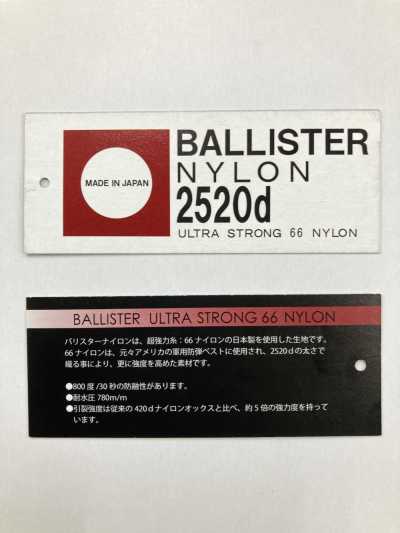
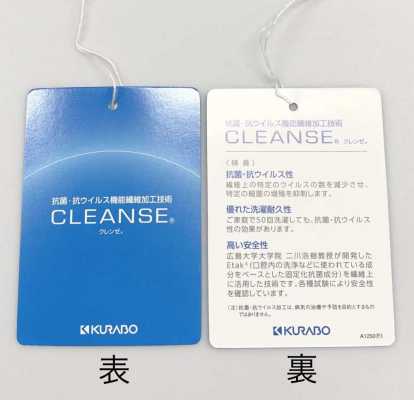
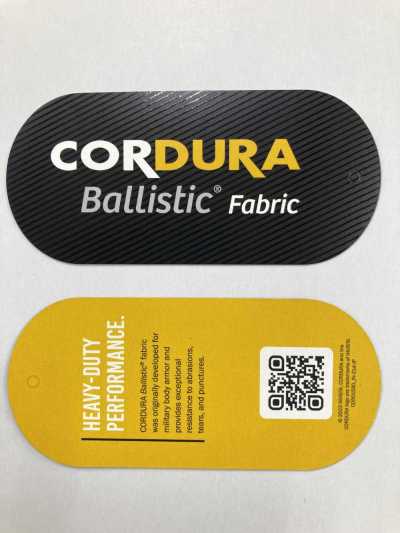
A hangtag is an accessory, mainly made of paper, attached to apparel products and other items with thread, string, pins, or similar fasteners to convey the brand name, product number, price, material characteristics, care information, and other details.
Contents6 sections
Definition and Overview
A hangtag is an information tag attached after completion to a finished product. It is used at the point of sale to convey product features and selling points, and may include the brand name, size, product number, barcode, and other information. It is generally made of paper, but other materials may be used depending on the application and design.
Unlike woven labels or care tags sewn into the main body, a hangtag is usually a detachable accessory primarily intended for confirmation before purchase. Depending on the product specifications and sales method, multiple tags may be bundled together with string.
Position in the Production Process
For hangtags, the display content, design, dimensions, and attachment method are decided at the planning stage, and proofing and sample confirmation are carried out before mass production. The usual process is to finalize the printing content after the fabric and sewing specifications are set and the product number, color number, size, price, and other sales information are confirmed.
After sewing, the tags are attached in line with shipping processes such as inspection, folding, and bagging. It is important to decide in advance whether the sewing factory, processing supplier, or logistics center will attach the hangtags, and to share the delivery format, attachment position, and sorting method by size in the specification sheet.
- Organize the required display items and design during planning.
- Proof the text, product number, color number, size, and barcode before printing.
- Confirm the paper quality, hole position, string, and attachment condition with actual samples before mass production.
- Decide the attachment process and how to manage extra or defective tags.
Items to Decide When Ordering
When ordering, specify the finished dimensions, paper quality and thickness, single-sided or double-sided printing, number of colors, processing, hole position and diameter, type of string or pin, folding method, and quantity configuration. If multiple tags are combined, clearly define the stacking order and orientation with samples.
For hangtags whose content changes by product number, color, or size, correspondence between the data and the quantity table is necessary. Determine the specifications by comparing workability and the risk of attachment errors, including whether to separate common tags from product-number-specific tags or to place variable information on separate stickers.
Points to Note on Quality and Display
Typographical errors, old product numbers, mix-ups in color numbers or sizes, and barcode reading failures affect sales and inventory management. In addition to text proofing, confirm the combination of printed materials and products, barcode reading, and resistance to hole tearing or string pullout before mass production and at delivery.
When displaying material functions, certifications, raw material origins, or similar information on a hangtag, confirm the basis for the display and the conditions of use. Since legally required product labeling may not be satisfied by the hangtag alone, manage the roles separately from the main body or prescribed labels, including care tags and washing instructions.
Differences from Similar Terms
A woven label is a tape-like accessory woven with a brand name or similar text and sewn onto the product. A hangtag is mainly attached after production, used to provide information at the time of purchase, and differs in that it is removed. A pis label refers to a small label inserted and sewn in at the side seam, pocket opening, or similar location.
Care labeling refers broadly to labels that convey composition and handling information, and a hangtag is one medium that supplements that information. Washing instructions are labels that indicate care methods, and although they may be listed on a hangtag as supplementary information, their treatment as a permanent label must be confirmed separately.
Frequently Asked Questions
Are hangtags and care tags the same?
No, they are not the same. A hangtag is a removable tag used for sales appeal and product identification, while a care tag conveys composition and handling information. Whether the required information may be listed only on the hangtag should be confirmed according to the sales region, item, and display content.
How is the attachment position for a hangtag decided?
Select a position that does not damage the product and is easy to find at the point of sale, such as the collar label, cuff, side seam, belt loop, or zipper pull. Decide after confirming with a sample product that it is unlikely to interfere when worn, that there are no holes or snags, and that inspection and bagging work efficiently.
What defects commonly occur with hangtags?
Common defects include typographical errors, incorrect combinations of product numbers or sizes, differences in print color, misaligned hole positions, creases or dirt, string pullout, and barcode reading failures. In addition to proofreading the text data, it is effective to confirm the condition after attachment to the product and after packaging.