Blade Width
Blade width is the horizontal measurement of the widest part of the wide blade of a necktie, and it is a part dimension that affects the visual fullness of the tie and its balance with a suit.
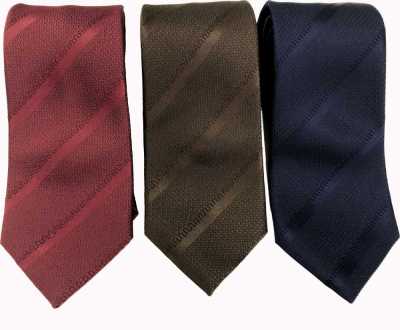
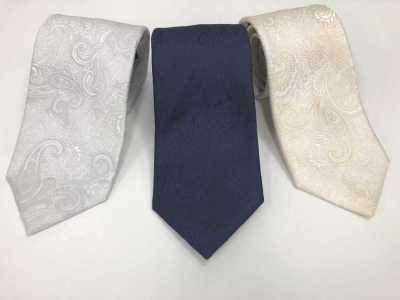
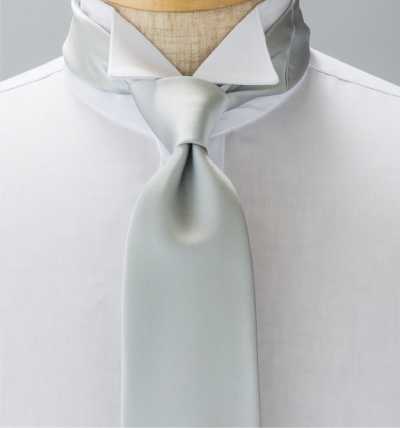
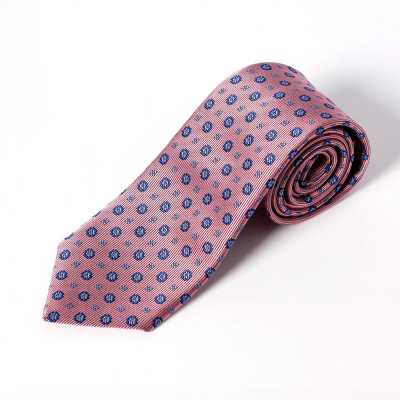
Contents5 sections
Definition and measurement point
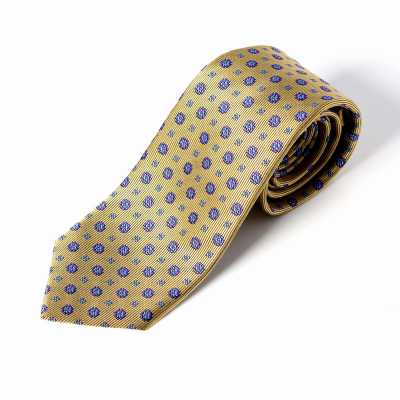
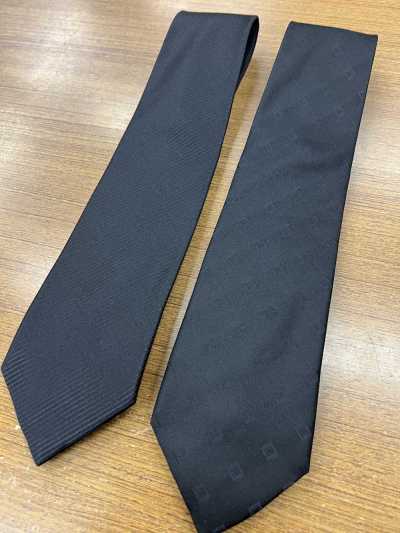
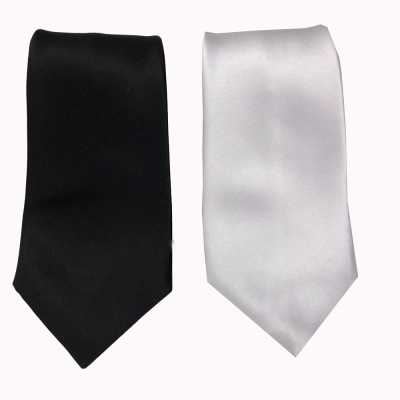
Blade width refers to the width of the wide end of a necktie, called the wide blade, on the tip side. In general, the widest point of the wide blade is measured horizontally while laid flat, and the result is shown in centimeters. In product specifications, it may also be written as wide blade width.
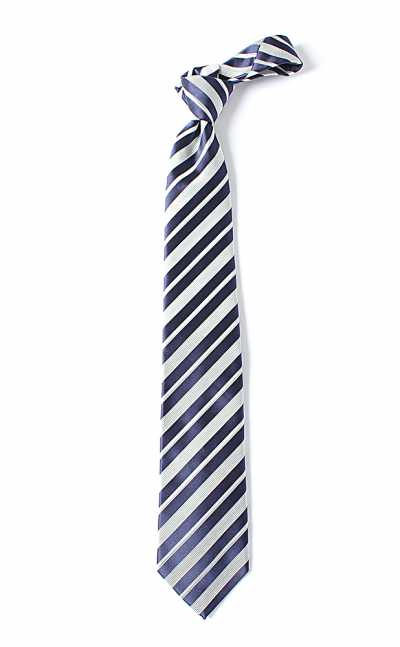
A necktie has a long narrow part that goes around the neck, a wide blade shown on the front, and a narrow blade that goes to the back. Blade width is not a dimension that indicates the necktie's overall length, the width of the narrow blade, or the size of the knot, so these are listed separately in specifications.
- Wide blade: the wide tip section that hangs to the front when worn.
- Narrow blade: the narrow tip section that goes behind the wide blade.
- Overall length: the length from one end of the necktie to the other.
Effect on shape and appearance
Blade width affects the area and presence of the necktie visible at the chest. A wider width tends to give a fuller impression, while a narrower width tends to look lighter and neater. However, appearance also changes depending on color and pattern, weave, thickness, and tying method.
The tip of the wide blade is often a pointed shape with the left and right sides meeting at an angle. Blade width does not refer to the angle of this tip itself. The shape of the tip, the thickness of the necktie, and the firmness of the interfacing are each checked as separate specifications.
How to coordinate with attire
Blade width is selected by considering the jacket lapel width, shoulder width, body build, and the collar shape of the shirt. Keeping the difference in width from the lapel from becoming extreme makes it easier to create a balanced chest area. During planning, it is important to check the tie while wearing the intended suit or shirt.
In daytime, evening, and formalwear categories, blade width alone does not determine the level of formality. For formal occasions, the necktie color, sheen, pattern, and knot, together with the rules for the formalwear being worn, are used to make the judgment. Preferences for width and trends also vary by period and region.
Specification checks and handling
For ordering and inspection, the measurement position for blade width, whether it is measured laid flat or in its natural state, and the tolerance should be confirmed in advance in the specifications. Since the edges of a necktie may curl due to the interfacing, sewing, or creases formed during storage, measure it after smoothing it flat without forcing it.
After wearing, untie the knot, shape it, and let it rest. Strongly crushing the tip of the wide blade or leaving it under a heavy object for a long time can cause creases or distortion. If it gets dirty, check the material label and the product care instructions before cleaning.
Frequently asked questions
Where should blade width be measured?
Blade width is measured by laying the wide blade flat and measuring horizontally at the widest point. It is not a dimension measured at an arbitrary point from the tip. If the product or specifications define the measurement position, follow that instruction and measure under the same conditions.
Are neckties with a wider blade width more formal?
Formalness is not determined by blade width alone. For formalwear, in addition to the necktie color, pattern, sheen, and knot, the combination with the clothing being worn, such as a tuxedo, is important. Blade width is mainly a dimension used to consider the visual balance with the lapel width and body build.